

Key Takeaways
- Portable heat pumps are showing robust market growth in 2024, thanks to increased demand for energy-efficient and renter-friendly climate control.
- There’s a lack of direct real-world testing data comparing portable heat pumps to window AC units, but market trends and technology advancements favor heat pump adoption.
- Understanding proper installation, maintenance, and real-life downsides is essential before buying, especially for apartment settings.
- What Is a Portable Heat Pump and Why Consider One?
- How to Choose and Use a Portable Heat Pump—A Step by Step Guide
- Advanced Analysis: Real-World Pitfalls, Market Data, and Side-by-Side Comparison
- Conclusion
- Frequently Asked Questions
What Is a Portable Heat Pump and Why Consider One?
A portable heat pump is a mobile device that can both heat and cool your space. Unlike a window AC or traditional space heater, it uses a reversible refrigerant cycle to pump heat in or out, depending on your needs—all within a compact, moveable unit. This design makes portable heat pumps particularly appealing for renters, people in small apartments, or homeowners needing a supplemental heating and cooling solution.
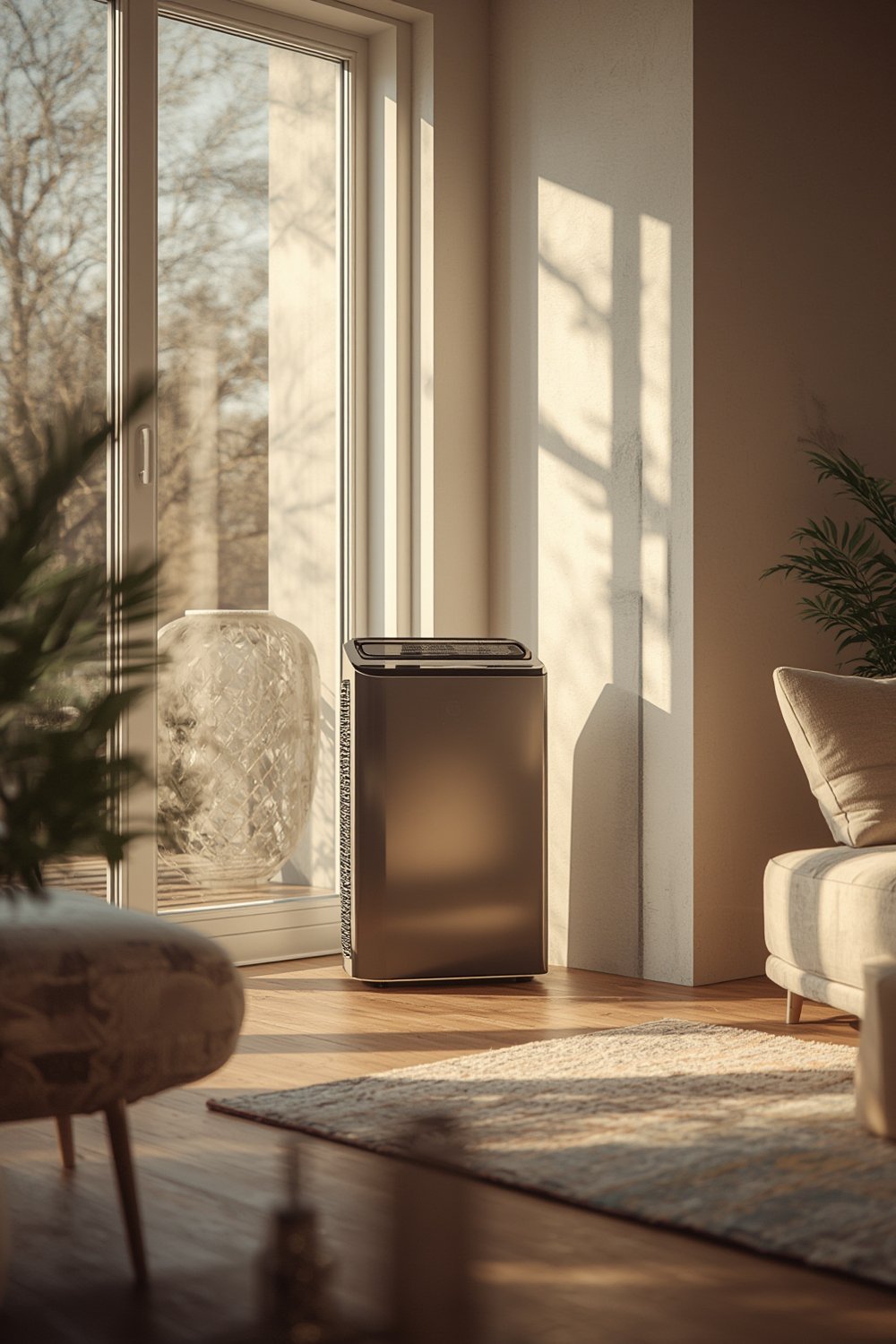
The comfort and flexibility offered by a portable heat pump stand out compared to fixed systems. As climate concerns drive up electricity and gas bills, many are turning to portable solutions as energy efficiency and government policy increasingly favor heat pumps over fossil-fuel heating. Recent research shows the portable heat pump market reached at least $3.2 to $4.1 billion in 2024, with an annual growth rate that outpaces many older technologies. However, most online guides don’t cover the potential downsides or real-life installation questions—critical for apartment dwellers and anyone comparing portable heat pumps to older window AC units.
For a broader look at renter-friendly upgrades that include heat pump options, check out our handpicked 2025 home improvement ideas for saving energy and money.
How to Choose and Use a Portable Heat Pump—A Step by Step Guide
- Measure Your Space. Calculate the square footage of the room to ensure your unit’s capacity (usually measured in BTUs or kilowatts) matches your needs. For apartments, a 10 kW system suits most spaces.
- Check Power Requirements. Ensure outlets and circuit breakers are rated for the unit’s power draw. Most standard home outlets will suffice, but larger units may require dedicated circuits.
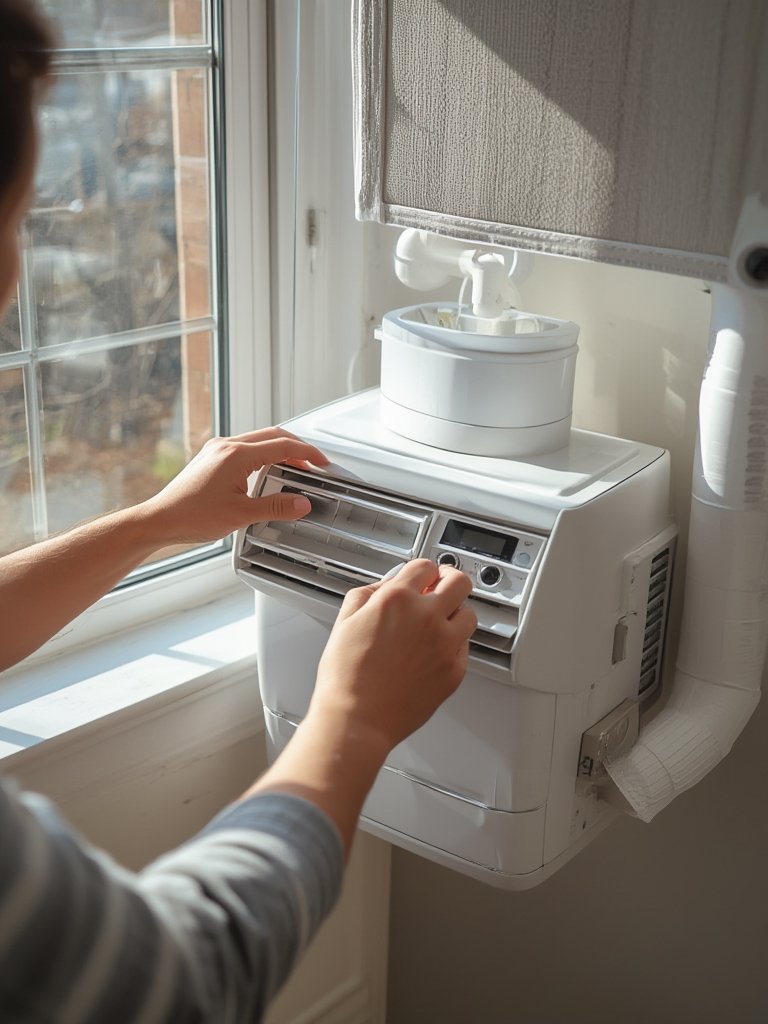
- Evaluate Installation Location. These units need access to a window or vent where hot or cold exhaust air can be released outdoors. Make sure the exhaust hose and window kit fits your window type.
- Prioritize Key Features. Look for models with smart controls, inverter technology, and variable speed compressors for energy efficiency and quieter operation.
- Factor in Upkeep. Portable heat pumps need regular air filters cleaning and occasional refrigerant checks, similar to window and split AC units.
- Test Before Commitment. Try out the unit in your most-used room for both heating and cooling functions, and listen for noise levels and ease of movement.
- Compare to Window AC or Mini-Splits. If you have the option, consider energy consumption, installation complexity, and long-term running costs.
For DIYers tackling their first climate control upgrades, our comprehensive home improvement tools guide is a smart next step. If you’d like design tips for integrating units with your living space, see our latest best home furniture and organization buys.
Advanced Analysis: Real-World Pitfalls, Market Data, and Side-by-Side Comparison
Despite huge market growth, the data on portable heat pumps shows notable gaps—especially when looking for side-by-side comparisons with window AC units or clarity on typical user complaints. This section compiles the most relevant research findings, issues, and consideration points that top articles often skip.
| Feature | Portable Heat Pumps | Window AC Units |
|---|---|---|
| Efficiency Tests | No data available | No data available |
| BTU Ratings | No real-world data | No real-world data |
| SEER (Energy efficiency) | General trend: higher with inverter & smart tech (source) | No portable-specific data |
| Power Draw | No portable-specific data | No portable-specific data |
| Noise | Anecdotally, can be loud; no systematic reviews found | Known to be loud in small rooms |
| Installation Requirements | Requires window/vent access, minimal tools | Requires window mounting, may need more effort |
| Typical Maintenance | Filter cleaning, refrigerant check, drain pan emptying (source) | Filter cleaning, rarely needs refrigerant check |
Common Pitfalls and Issues
- No direct user feedback: There is little real-world review data on efficiency, noise, or ease of use—making it hard to judge suitability without in-person testing.
- Potential noise issues: Some units, especially low-cost ones, may be loud at full power. Always test before committing if you’re noise-sensitive.
- Efficiency drops with poor setup: Any leaks in hoses or poor window kit installation can lead to drastically lower heat or cooling efficiency and higher energy bills.
- Limited heating capability in very cold climates: Portable heat pumps have their best performance in mild to moderate climates. Check temperature ratings for your region.
- Lack of policy incentives: Most 2024 efficiency incentives and rebates favor whole-home or mini-split systems, not portable models, though this could change in the years ahead (learn more).
- Installation space limits: If your apartment windows don’t accommodate exhaust hoses, your options may be limited. Custom kits are sometimes needed.
To see how big-box retailers and installation services can make upgrades easier, browse our review of Lowe’s home improvement options. If you’re searching for local help, our store finder and guide is worth a look.
Conclusion
Portable heat pump technology is growing fast, offering viable and flexible heating and cooling for apartments and homes. However, current research highlights some challenges—especially lack of testing data, installation quirks, and limited policy incentives in 2024. Before you buy a portable heat pump, review your room dimensions, power supply, and installation options. Test for noise, seal exhaust kits properly, and compare to other solutions like window AC units or mini-splits. Ready to find the best option for your space? Explore our detailed portable heat pump buyer’s guide now.
Frequently Asked Questions
What size portable heat pump do I need for my apartment?
Match the unit’s BTU or kW rating to your room size. Most apartments do well with systems up to 10 kW, but always check manufacturer guidelines for square footage coverage.
Are portable heat pumps noisy?
Some models can be loud at maximum output, especially budget units. Testing your chosen unit in your space is recommended before full-time use.
Do portable heat pumps require professional installation?
No. Most are plug-and-play with simple window venting kits. However, ensuring tight air seals and proper hose placement is key to performance.
How do portable heat pumps compare with window AC units?
There is little direct testing data, but portable heat pumps can heat and cool. Window ACs only cool. Heat pumps may be more energy-efficient but typically require similar installation steps (window hose or kit needed).
What maintenance is required for a portable heat pump?
Clean or replace air filters monthly, check for hose obstructions, and periodically empty any drain trays. Annual refrigerant and system checks may be recommended for heavy usage.