

Window insulation film is a simple upgrade that can cut household heating bills, reduce drafts, and make rooms noticeably more comfortable each winter. If you’ve ever wondered whether sticky plastic on the glass really does anything, current research paints a clearer picture than ever—helping you make an informed decision for your home and energy costs.
Key Takeaways
- Recent studies show window insulation film can deliver 15–40% energy savings in residential homes, with 3–5 year payback periods and simple installation.
- Most common issues are about upfront cost or minor installation challenges, but films last 10–15 years and work on nearly all window types.
- Modern Low-E films offer year-round performance without major drawbacks—making them a leading value versus blinds, curtains, or replacing windows.
- What is Window Insulation Film and Why Should You Use It?
- How to Install Window Insulation Film: Step-by-Step
- Real-World Performance, Problems, and How Films Compare
- Conclusion: Should You Try Window Insulation Film?
- FAQ: Window Insulation Film
What is Window Insulation Film and Why Should You Use It?
Window insulation film is a thin, transparent layer applied to the interior of glass that slows heat loss and reduces drafts. Unlike hefty curtains or permanent double glazing, the film is low-profile and designed as a retrofit—inexpensive, easy to install for most homeowners, and even removable in the spring if desired.

In 2024, tests show that adding window insulation film can improve window insulation by over 50%, slow winter heat loss by as much as 31%, and deliver real heating bill reductions. Modern Low-E films work both in winter (reflecting warmth back into your room) and in summer (blocking unwanted solar heat), providing savings year-round. The U.S. Department of Energy and independent agencies report total home energy savings from 15% up to 40%, depending on window type, climate, and usage patterns (source, source).
With heating and cooling making up about 40% of household energy use, and single-pane or metal-framed windows the biggest culprit for wasted energy, even older homes and rentals can see noticeable comfort and cost improvements. For a deep-dive into the right home improvement tools for your DIY window film project, check our full guide.
How to Install Window Insulation Film: Step-by-Step
Installing window insulation film is straightforward, whether you choose a heat shrink film (common for DIY winter insulation kits) or a modern adhesive Low-E film. Here’s exactly how to do it right the first time:
- Clean the window glass thoroughly. Use a mild cleaner and a lint-free cloth. Any dust or streaks will get trapped under the film and show as bubbles.
- Measure your window and cut the film to size, leaving a 1-inch margin for trimming excess.
- Apply the film to the slightly damp glass (if using adhesive-backed film) or tape to the edges for shrink-wrap film. Smooth gently with a squeegee or old credit card to eliminate air bubbles.
- Trim the edges carefully with a razor blade or utility knife.
- For shrink-type film: Use a hairdryer to gently heat the film, tightening it so it becomes almost invisible and wrinkle-free.
- Inspect the seal and touch up edges with more double-sided tape if needed. Avoid opening the window for at least an hour.
For more DIY-friendly methods and safety, see our Ultimate Home Improvement Ideas 2025 roundup.
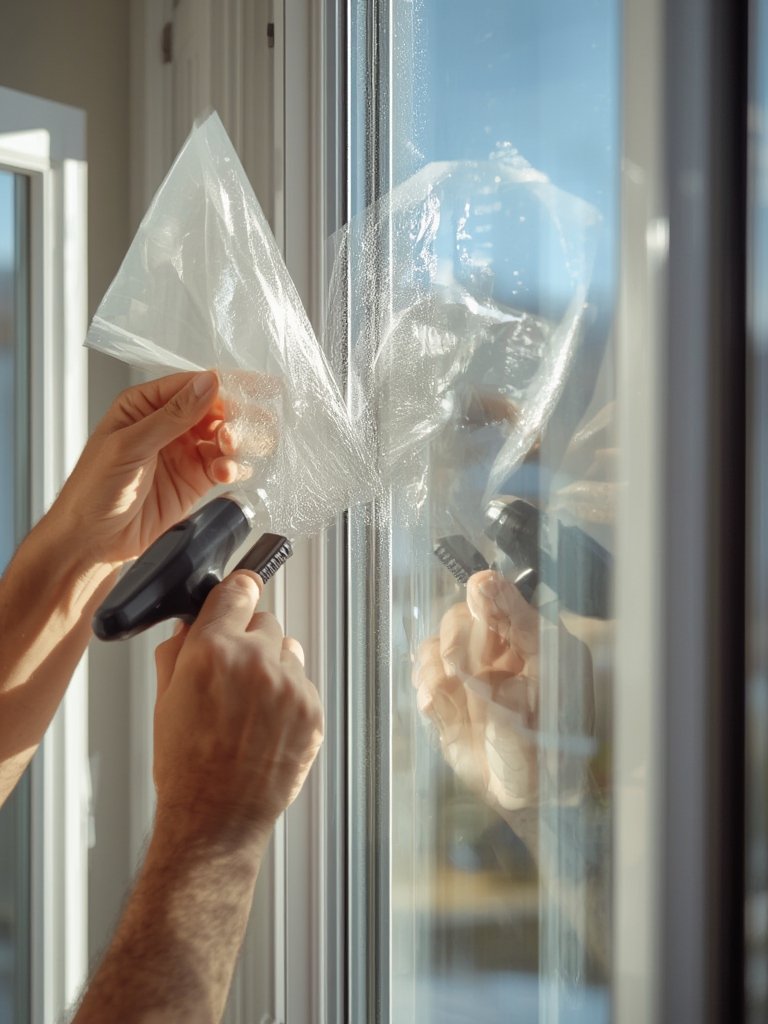
Always follow the manufacturer’s instructions for best results. Most newer films last 10–15 years with little to no visible discoloration or scratch damage, but avoid abrasive pads or harsh chemicals when cleaning your windows after installation.
If you want a truly seamless look or live in a historic home, you can hire a professional for larger windows or entire-house applications—though most homeowners find the DIY route easy and rewarding. For additional project ideas, check out how Lowe’s Home Improvement can help you source supplies and tools.
Real-World Performance, Problems, and How Films Compare
Independent testing and real-world reports provide clearer answers in 2024:
- Heating Savings: Window films deliver up to 40% energy saving on heating and cooling, with most homes seeing a 15–30% reduction in their winter bills per recent GSA and DOE studies (source).
- ROI: 75% of homeowners recover their upfront investment in under three years, with a typical payback of 3–5 years. Films outlast most alternatives, staying effective 10–15 years (source).
- DIY vs. Professional: Material-only DIY kits are widely available, saving 40–60% versus professional installation, especially for smaller jobs. Professionally installed Low-E films cost more but are extremely durable and even out temperatures in every season.
| Method | Energy Savings | Pros | Cons |
|---|---|---|---|
| Window Films | 30-40% [source] | Cost-effective, easy install, year-round benefit | Upfront cost [source] |
| Blinds/Curtains | 10-15% [source] | Simple, low-cost | Limited reduction, more maintenance [source] |
| Double Glazing | 20-30% [source] | Great insulation, noise reduction | Expensive, permanent [source] |
Common pitfalls and realistic concerns:
- Bubbles and wrinkles: Improper installation—especially on large panes—can leave visible bubbles. This is usually fixed by reapplying or by using the soap-and-water hack mentioned above.
- Glass or frame compatibility: Not all films are suitable for all types of double-glazed or tinted windows. Check for compatibility if you have specialty glass.
- Upfront cost: While cheaper than replacing windows, high-quality Low-E films still cost more than basic shrink kits—expect to pay Rs. 100–300 per square foot installed. DIY kits are much less.
Get the latest cost breakdown here. - Limited sound insulation: While double glazing greatly reduces noise, window film is primarily for warmth—not sound.
- Moisture and condensation: No current research suggests film increases condensation or moisture risk. Most modern films are scratch-resistant and moisture-tolerant, but windows in bathrooms or kitchens may still fog up in cold snaps, regardless of film.
- Durability: Manufacturer specs and independent tests show a lifespan of 10–15 years with minimal discoloration. Unlike regular window tint, insulation films can be completely removed if moving or redecorating—making them renter-friendly.

For a feature rundown and more tips on compatible upgrades, check the latest home furniture trends and how energy-saving choices pair with new fixtures.
Conclusion: Should You Try Window Insulation Film?
If you want to make your home warmer, cut energy waste, and avoid expensive replacement windows, window insulation film is a solid win for most homeowners. The documented 15–40% energy reduction, fast ROI, and easy installation put it far ahead of heavy curtains or even many “modern” upgrades. The best thing? You can remove it each spring, or leave it in place for over a decade if it suits your style.
Take a weekend to try window insulation film on a few drafty panes, watch your next energy bill, and decide if you want to upgrade the rest. Ready to get started? Compare options now or visit your local store—your comfort and wallet will thank you.
FAQ: Window Insulation Film
Does window insulation film work on all types of windows?
Yes, most films adhere to both single and double-pane windows, whether metal or wood framed. Be sure to check compatibility if your glass is tinted or patterned, and test a small section before full application.
Can insulation film be removed without damaging the window?
Quality insulation films are designed to be removable. Adhesive residue can be wiped off with soapy water or a gentle adhesive remover. Heat-shrink films and tapes leave no marks when removed according to instructions.
How long does window insulation film last?
Most films last 10–15 years. Cheaper plastic shrink kits are seasonal (one winter), while modern Low-E films are rated for a decade or more with proper care.
Does window film cause condensation or mold?
No credible research links insulation film with increased moisture or mold. As with any window, maintain good household ventilation in colder months to minimize condensation.
What is the payback period or ROI for window insulation film?
Most homeowners recover their investment within 3–5 years through lower heating and cooling bills. The biggest savings are seen with older windows or in colder regions.