

Smart breaker panel upgrades are reshaping the way homes and businesses manage power, promising more control, efficiency, and future-ready convenience—even if the upfront cost and tech hurdles deserve scrutiny.
Key Takeaways
- Smart breaker panel adoption is accelerating in the US and globally, driven by solar installations, EV trends, and new building codes.
- Cost, installation complexity, and code compliance—not hardware alone—are common roadblocks for homeowners and electricians.
- Recent incentives and rapid tech advances make now the smartest time to evaluate an upgrade, but comparison shopping is essential.
- What Is a Smart Breaker Panel and Why Upgrade?
- How to Plan and Upgrade to a Smart Breaker Panel: Step-by-Step Guide
- Advanced Analysis: Pitfalls and Deep Comparisons
- Conclusion: Is a Smart Breaker Panel Worth It?
- FAQ: Smart Breaker Panel Questions Answered
What Is a Smart Breaker Panel and Why Upgrade?
Smart breaker panels, sometimes called “smart electrical panels” or “load management panels,” replace or supplement your main electrical panel. They bring circuit-level monitoring, remote control, app-based automation, and direct integration with solar, battery backup, EV charging, and smarter home energy use. The core reasons to upgrade are energy efficiency, real-time data, and future readiness for home electrification trends.
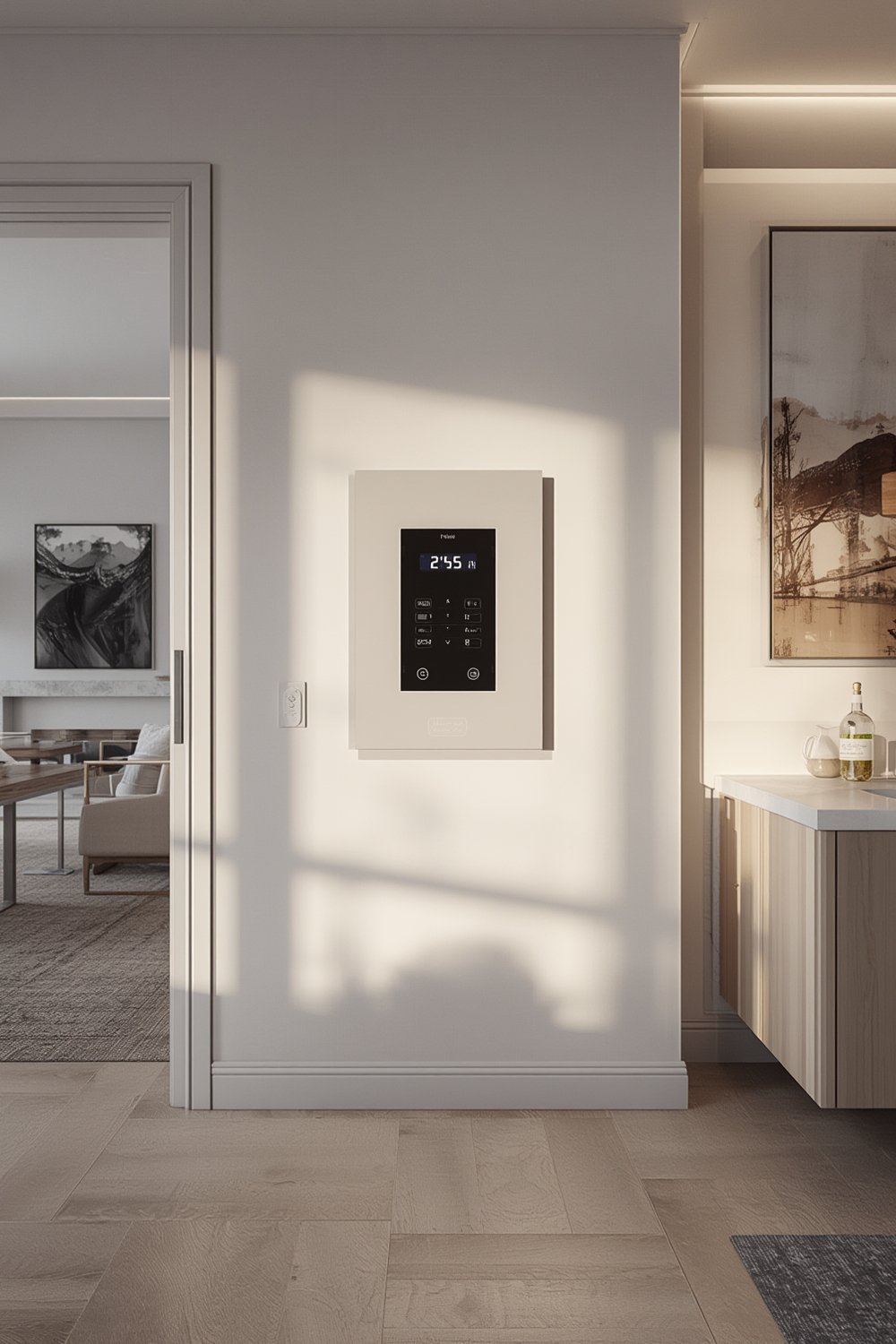
Recent 2024 research shows global smart panel markets valued between $4.9–$12.5 billion, with significant growth expected as North America leads deployment driven by new policies like the Inflation Reduction Act and California Title 24. For homeowners and commercial property owners, the main appeal is better reliability during outages, precise usage analytics, and the seamless control to prioritize circuits or protect expensive loads.
Unlike traditional panels, smart breaker panels can pair with apps to alert you about overloads, let you shed noncritical loads on the fly, or schedule heavy-use appliances to save money on energy bills. Learn more about the market trends.
For growing numbers of DIYers motivated by home improvement and efficiency, a smart panel ranks alongside other top upgrades like portable heat pumps and window insulation film for its long-term value.
How to Plan and Upgrade to a Smart Breaker Panel: Step-by-Step Guide
-
Assess Your Panel & Power Needs
- Identify your existing panel’s amperage (most homes are 100–200 amps) and outgoing breaker layout.
- List your priorities: is it just smart monitoring, or do you want load control, EV integration, and solar readiness?
-
Budget Your Costs Upfront
- Hardware: leading panels (SPAN, Schneider, Leviton) start from $2,000–$5,000+ for advanced models.
- Labor: licensed electrician install can cost $1,500–$3,500+, depending on location and complexity.
- Permits: city permits and utility coordination can add $100–$800 more.
- Note: As of 2024, itemized cost research is still spotty—always request detailed quotes.
-
Check Code & Utility Requirements
- Review local and state building/electrical codes—California’s Title 24 and other recent codes often require solar or battery-ready panels for new work.
- Check for utility permission or smart grid integration mandates.
-
Choose the Right Panel for Your Scenario
- Major brands (SPAN, Leviton, Lumin, Schneider, Eaton) offer varying levels of load management and app integration. If you want circuits you can control from your phone or integrate with an energy dashboard, check for app reviews and OpenADR or UL 916 compatibility.
- Retrofitting? Some brands now offer monitoring modules that clamp onto existing breakers—cheaper, but offer fewer automation features.
-
Apply for Rebates & Incentives
- Apply for rebates under the Inflation Reduction Act, and check local programs or Title 24–induced incentives where available.
-
Schedule an Install with a Qualified Electrician
- Coordinate the install—expect 4–8 hours. Go over commissioning app procedures with your electrician ahead of time, as installers have cited a learning curve here.
-
Download the App and Configure Your Panel
- Most panels require commissioning: linking the panel to Wi-Fi or cellular, calibrating breakers, and setting up notifications and remote controls.
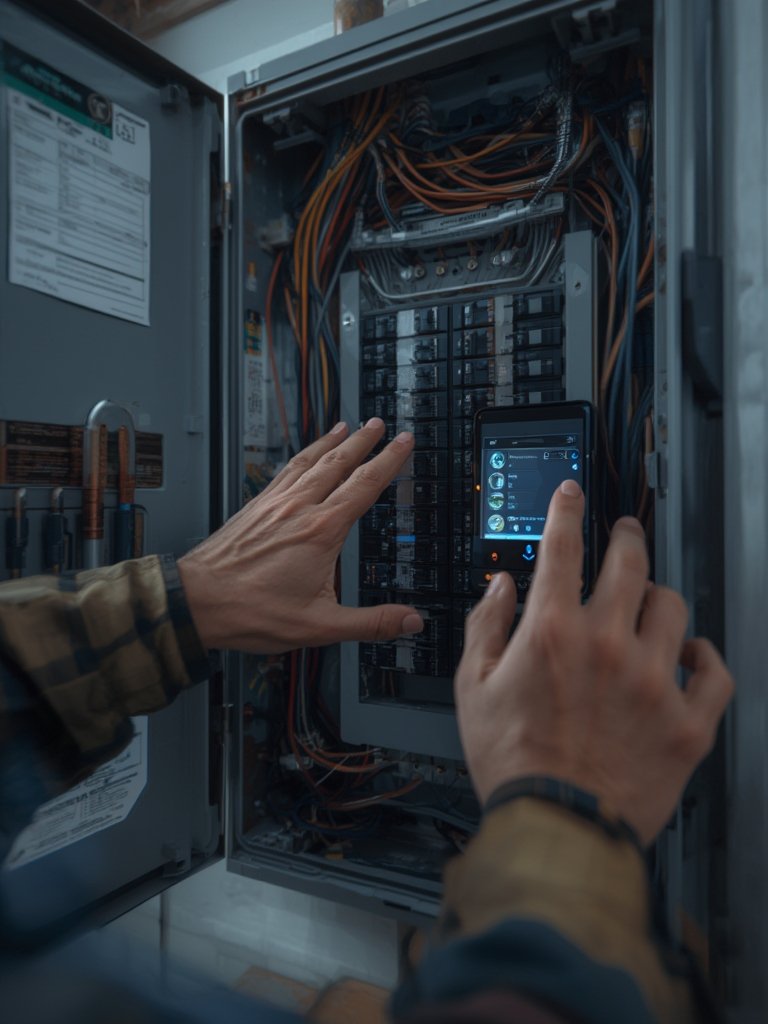
If you like to tackle DIY upgrades, check out the Ultimate Home Improvement Tools Guide for necessary tools and safe practices, as installing a smart panel is always a job for a licensed pro.
Thinking about complementary upgrades? Pairing a smart breaker panel with an induction cooktop retrofit or a solar generator backup unlocks even more home automation synergies.
Advanced Analysis: Pitfalls and Deep Comparisons
It’s important to look honestly at what can—and does—go wrong. Market adoption is growing, but both homeowners and electricians report the following ongoing pain points:
- High Upfront Costs: Even with incentives, the panel plus install typically runs $3,000–$8,000—pricey compared to a standard main panel swap.
- Learning Curve and Software Complexity: Installers may be unfamiliar with setup apps, software pairing, and the nuances of permissions—this extends install times and leads to frustration.
- Fragmented Codes: Varying building code, utility guidelines, and low contractor familiarity can cause delays or failed inspections. Research local requirements early.
- Cybersecurity and Updates: Remotely updatable panels must have robust encryption and clear policies for security updates; integration with third party smart home platforms can lag.
- Lack of Reliable Cost Data: Competitor articles often list “price ranges”, but very few offer true itemized quotes for panel, labor, and permits. Always get at least two bids.
How do leading brands stack up? While direct metrics are scarce, the following comparison table covers the major differences highlighted in 2024 market reports.
| Feature | SPAN Panel 2 (2024) | Key Alternatives |
|---|---|---|
| Load Management | Onboard backup, EV prioritization, app-based scheduling | AI/ML analytics, real-time load prediction, digital twins |
| App Integration | iOS/Android, Wi-Fi, cellular fallback, home energy dashboard | Broad device integration (Zigbee, Z-Wave, Wi-Fi, BLE), advanced dashboards |
| Utility Compatibility | Most US utilities, OpenADR, direct solar/battery/EV sync | Extensive (UL 916, OpenADR, utility API hooks) |
| Retrofit Options | Panel upgrade required | Clip-on modules for legacy breakers |
| Price (est.) | $4,500–$8,000+ | $2,000–$6,000+ (panel or retrofit kit) |
To avoid major setbacks:
- Insist on panels certified to UL 916 or local equivalents.
- Get hands-on help with app setup from your installer—don’t assume all electricians know the software.
- Monitor for firmware or security updates and clarify policies before buying.
Integration with future upgrades is key. Smart breaker panels pair especially well with smart appliances (see our Ultimate Home Improvement Ideas 2025) and energy storage for maximum ROI.
Conclusion: Is a Smart Breaker Panel Worth It?
Smart breaker panel technology is in its prime growth curve, turbocharged by new solar, EV charging, and home energy savings requirements. While upfront costs and install complexities remain barriers, robust incentives and real-world energy management benefits make this upgrade compelling for many. If you want true home automation, outage resilience, and lower bills, a smart breaker panel brings futureproofing that standard panels can’t match.
Ready to take the next step? Compare installers, apply for rebates, and request detailed quotes now—your home’s electrical future is smart.
FAQ: Smart Breaker Panel Questions Answered
Are smart breaker panels compatible with solar and battery backup systems?
Yes, most leading smart breaker panels are designed with native support or direct integration for solar arrays and battery storage, allowing you to automate load shifting, backup prioritization, and real-time energy tracking.
How do I know if my home’s existing panel can be upgraded, or if I need a full replacement?
Compatibility depends on your panel’s amperage and layout. Some brands offer retrofit monitoring modules for legacy panels, but full smart feature sets usually require a panel replacement—ask a licensed electrician to assess your system.
What new rebates or incentives offset the cost in 2024?
The US Inflation Reduction Act has increased both tax credits and local financial incentives for smart panel upgrades, especially if paired with solar or battery installs. Check for state-level programs and compliance with Title 24 if in California.
What are common installation mistakes to avoid?
Skipping utility permission, poor app commissioning, and not updating to current code are common missteps. Always have an experienced installer and confirm your panel is UL 916 or otherwise code-compliant.
Can I DIY a smart breaker panel installation?
No—main panel installs must be done by a licensed electrician to meet safety and code requirements. However, some homeowners monitor circuits with clamp-on modules and set up their apps after professional panel installation.