

Garage gym insulation is the most overlooked factor that can make or break your home fitness setup—impacting comfort, costs, and gym gear longevity year-round.
Key Takeaways
- Proper garage gym insulation slashes energy loss, stabilizes temperatures, and protects equipment far better than leaving your gym exposed.
- Choosing the right insulation type and R-value is critical—polyurethane foam outperforms others but costs more upfront.
- Insulation offers ROI through lower utility bills, increased home value, and a gym you’ll actually want to use in hot or cold weather.
- Why Garage Gym Insulation Matters
- Step-by-Step Garage Gym Insulation Guide
- Advanced Analysis & Common Pitfalls
- Conclusion
- FAQ
Why Garage Gym Insulation Matters
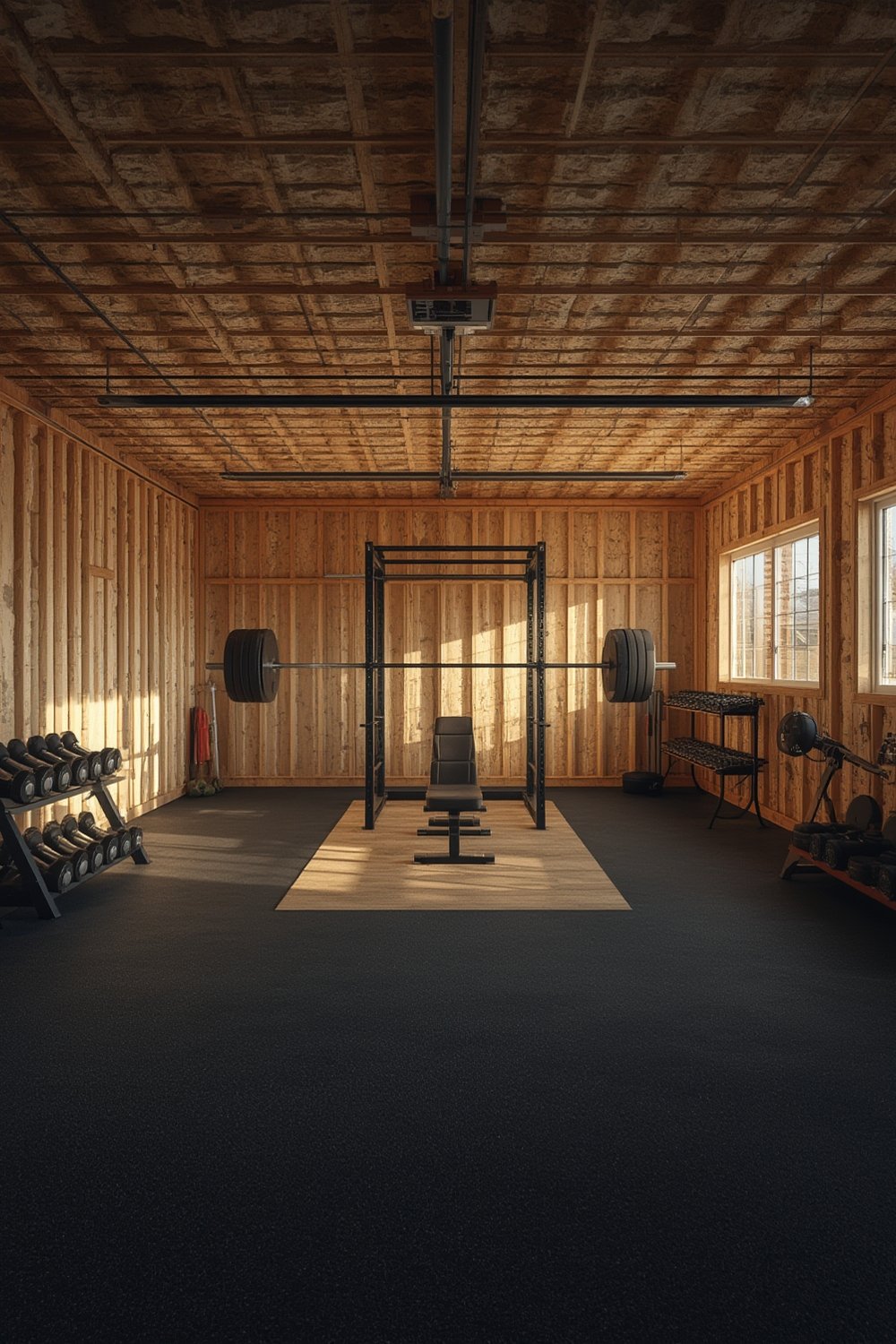
When you convert a garage into a gym, insulation becomes more than an afterthought—it’s the main factor that determines if you can train comfortably in winter and summer, spend less on bills, or find your dumbbells rusted come spring. Energy savings and temperature consistency from garage gym insulation are real and measurable. According to the latest 2024 studies, insulated garage doors can cut energy loss by up to 70 percent, and homeowners report 10 to 15 percent lower heating and cooling expenses. That means you’re not just making workouts possible all year, you’re saving every month on utilities. Garage insulation doesn’t just benefit you in the gym—it helps stabilize temps in the rest of the house and protects your expensive equipment from weather damage.
Step-by-Step Garage Gym Insulation Guide
If you want your garage gym comfortable all year, here’s exactly what to do:
- Audit Your Garage: Identify if your garage is attached or detached, note wall/ceiling types, and check for obvious air leaks around doors and windows.
- Choose Insulation Type and R-Value:
- Fiberglass batt: Inexpensive and DIY-friendly, R-12 to R-19 possible in walls/ceiling.
- Rigid board (polystyrene): R-6 to R-9 in doors—best short-term ROI, easy to fit in panel doors.
- Spray foam (polyurethane): R-12 to R-20 or higher, seals all cracks and blocks humidity but needs pro install and is costliest.
- Seal Air Gaps: Use weatherstripping for the main garage door, caulk along wall seams, and install door sweeps. Missing this step defeats your insulation efforts.
- Add insulating the garage door: Add rigid foam kits or upgrade the whole door if possible. A high R-value door makes a major impact.
- Walls, Ceiling, & Floor: Staple batts or use spray foam for walls and ceiling; special insulated mats or rubber tiles help on concrete floors but aren’t critical for energy unless there’s living space below.
- Consider HVAC & Dehumidification: Insulation will dramatically reduce your need for heating/cooling systems. A small portable heat pump or mini split can work wonders if you seal everything well. For unheated garages or climates with big humidity swings, a dehumidifier can ensure your weights don’t rust—check out these humidity control tips.
- Finish and Test: Cover with drywall, plywood, or insulation-appropriate panels. Monitor the space across seasons.
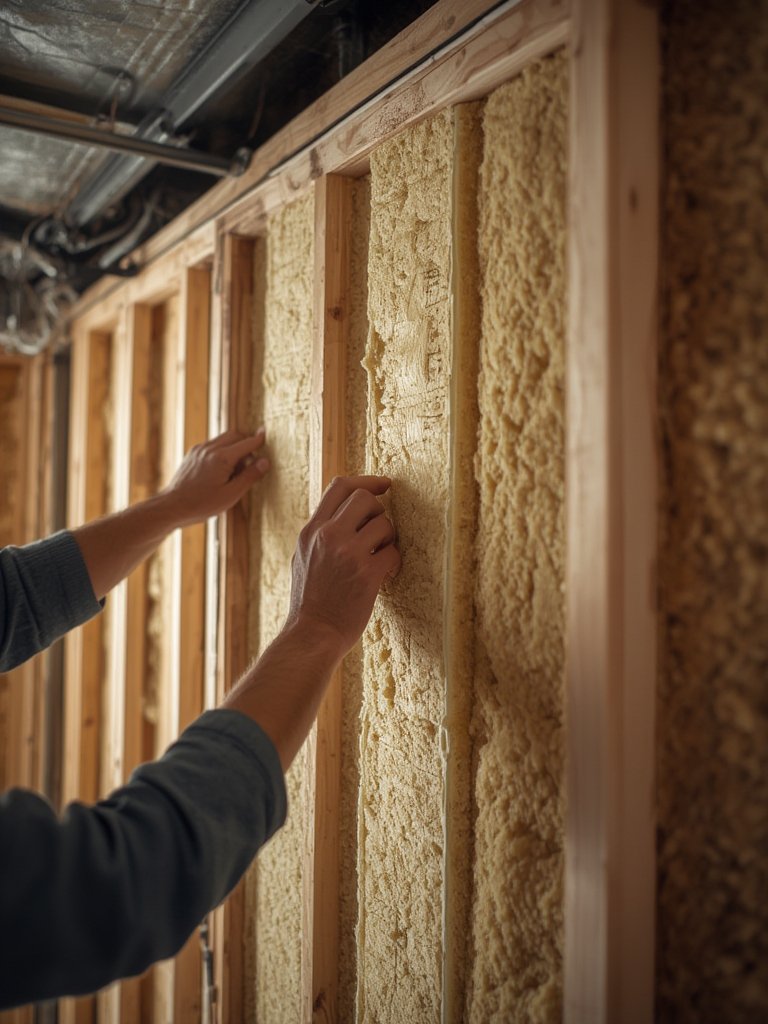
Cost & ROI: For a two-car garage in 2024, expect $1,000 to $3,000 for all materials and labor. DIY batt insulation is more affordable, but spray foam has the best long-term value. Utility savings (up to $500/y) and increased home value add up fast; most attached garages see payback in 1.5 to 5 years. Get more tips on budget-friendly remodels in our home improvement ideas guide.
Advanced Analysis & Common Pitfalls
Insulating your garage gym comes with some traps. Here’s what often goes wrong:
- Ignoring air gaps: Even the best insulation fails if you skip weatherstripping and sealing around doors and windows. Drafts make your gym cold or hot no matter the insulation.
- Insulating just the door or just the walls: Many DIYers insulate only one surface. This leaves an uneven thermal envelope—think: cold ceiling, hot wall—which lets energy escape and temperature swings persist. If you only have budget for one area, prioritize the garage door and walls.
- Picking the Wrong R-value: Underinsulating (for example, using R-2) in cold climates wastes money and won’t solve your comfort issues. Always match insulation specs to your region. Learn about R-values for each type in our comparison table below.
- Forgetting about humidity: Even with insulation, a garage gym in a damp climate needs dehumidification to stop mold or rust. Use a dehumidifier—especially if your gym is in a basement, not just the garage.
More on this in our dehumidifier guide.
| Insulation Type | Typical R-Value | Advantages | Disadvantages | Gym-Specific Notes |
|---|---|---|---|---|
| Spray Foam (Polyurethane) | R-12 to R-20+ | Best thermal seal, blocks air leaks, top soundproofing, improves structure. | Most expensive, pro install often needed. | Best for heavy use, year-round heating/cooling. |
| Fiberglass Batt | R-12 to R-19 in walls | Low cost, DIY ability. | Can leave small gaps, needs careful install, lower sound reduction. | Decent for mild climates or budget builds. |
| Rigid Board (Polystyrene) | R-6 to R-9 (door/kits) | Easy door fit, fast ROI, decent real-world performance. | Less effective on thermal bridging; can underperform in extreme cold. | Popular for garage doors, short payback in most regions. |
For the absolute best climate control, remember: polyurethane spray foam outpaces polystyrene insulation in real conditions for garage gyms (see research). Choose based on your budget, climate, and gym usage patterns. If cost is a concern, batt or rigid board insulation is solid for most homeowners—but seal every edge and joint.
Conclusion
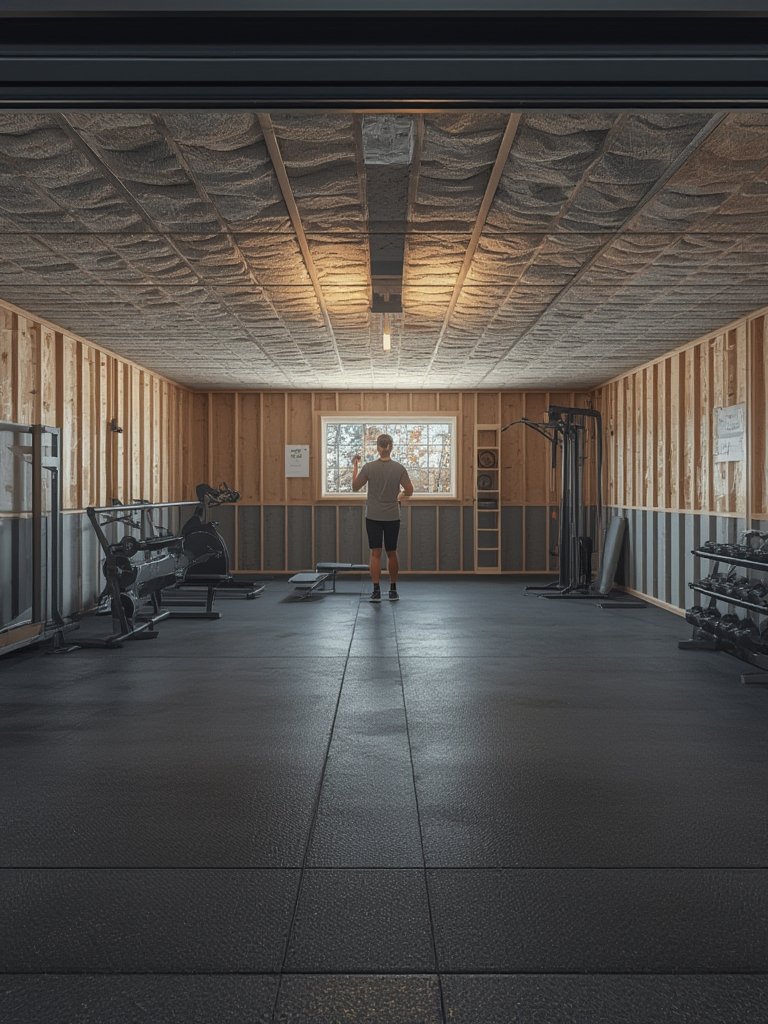
Insulating your garage gym pays off with lower energy bills, better temperature control, and peace of mind—no more ruined workouts or gear. Choose insulation based on your climate and budget, but remember: the garage gym insulation solution you pick will affect how often you use your gym and how long your equipment lasts. Take action now by sealing air leaks, selecting the right insulation, and finishing your garage right—your year-round comfort and your wallet will thank you. Want more smart upgrade tips? See our Ultimate Home Improvement Tools Guide and our exclusive portable heat pump guide for complete climate control solutions.
FAQ
How much money can I really save by insulating my garage gym?
Depending on your climate and insulation type, most homeowners see 10 to 20 percent reductions in heating/cooling bills—often $200 to $500 per year for an attached garage. This means payback periods between 1.5 to 5 years are common.
Which insulation is best for a garage gym packed with heavy equipment?
Spray foam (polyurethane) offers the best year-round temperature and humidity control, helping protect equipment from extreme swings. If cost is an issue, use rigid board insulation for the garage door and batt in the walls, but seal every seam thoroughly.
Is DIY garage gym insulation realistic for most homeowners?
Yes—especially with fiberglass batts or rigid board kits. These require basic skills and tools. Spray foam delivers the best results but usually needs professional installation for safety and consistency.
Do I need to insulate the ceiling and floor, or just the walls and door?
Walls and doors are musts for most climates. Insulating the ceiling is worthwhile if your garage has a room above or gets very hot/cold. Floors are less critical but insulated mats add comfort, especially on concrete.
Does garage gym insulation reduce noise?
Yes, especially spray foam and thicker insulation types. You’ll notice less noise transfer both ways—ideal if you lift early or late and want to avoid disturbing the household.