

Peel and stick backsplash has transformed kitchen and bathroom upgrades, letting both homeowners and renters create a designer look in hours with minimal tools and zero mess. If you want a fast, renter-friendly update or need a budget solution that still delivers a premium style, this guide will show you exactly what to expect – and exactly how to do it.
Key Takeaways
- Peel and stick backsplash tiles are booming in North America, with the U.S. market growing rapidly because of the DIY trend and accessible price points.
- Installation is straightforward, but results last longer and look sharper by following key prep and application steps.
- Potential drawbacks include occasional adhesion issues—especially in high-moisture areas or when surfaces are not properly prepared—so realistic expectations and proper removal planning are crucial for renters.
- What Is Peel and Stick Backsplash?
- How to Install Peel and Stick Backsplash: Step-by-Step
- Advanced Analysis and Common Pitfalls
- Conclusion
- Frequently Asked Questions
What Is Peel and Stick Backsplash?
Peel and stick backsplash tiles are pre-cut panels or tile sheets backed with a pressure-sensitive adhesive. They mimic materials like subway tile, glass, metal, or marble, but install with no need for grout, mortar, or special tools. Just peel off the backing and press onto a clean wall surface. This approach is especially appealing for busy people, first-time renovators, and renters who want dramatic updates with the option for easy removal.
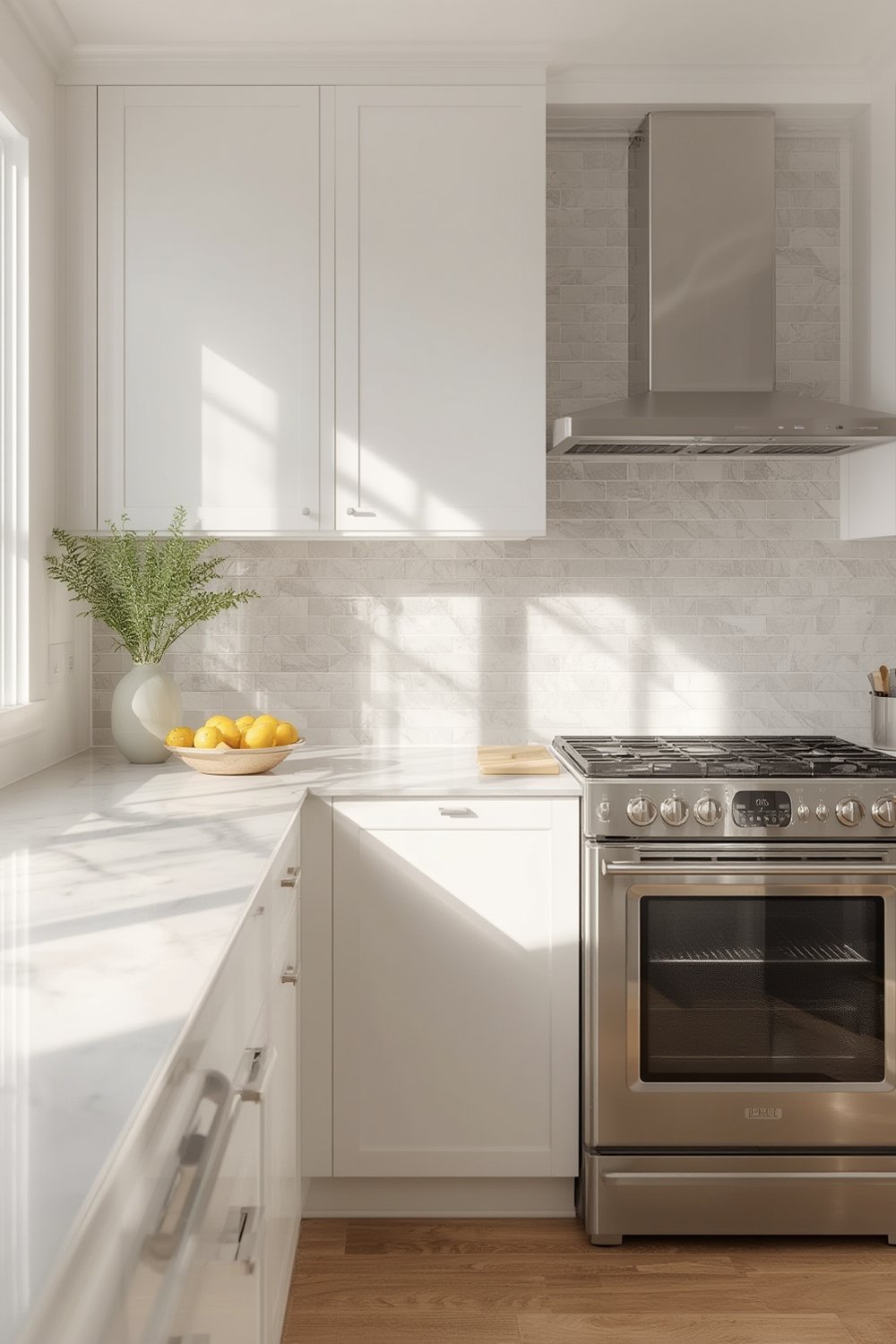
The global market for peel and stick backsplash products is surging. Estimates for 2024 range widely—from $850.75 million to $13.75 billion—but North America holds the lion’s share. Driven by a culture of do-it-yourself home upgrades in the U.S. and Canada, more people see this as an affordable, flexible alternative to traditional tile.
Major trends include a rise in minimalist and modern designs, improvements in adhesive technology, and heavier use of durable vinyl surfaces. For those just starting their home improvement journey, see our guide to essential home improvement tools for a proper head start.
How to Install Peel and Stick Backsplash: Step-by-Step
Installing peel and stick backsplash is simple, but a methodical approach avoids the common mistakes that can cause peeling or poor alignment. Here is the real-world, step-by-step breakdown:
- Measure Your Space: Calculate the square footage you’ll cover. Add 10 percent for cutting waste and pattern matching.
- Gather Tools: You will need a sharp utility knife or scissors, a ruler or straightedge, a level, a pencil, a cleaning cloth, and possibly a plastic smoothing tool (sometimes included with tile kits). For best results, check your workspace against our beginner’s tool kit recommendations.
- Clean and Dry the Wall: Remove dust, grease, and moisture. Rubbing alcohol works well for a final wipe. Let the surface dry completely.
- Plan Your Layout: Dry-fit tiles to figure out the most appealing arrangement. Mark a straight line for your first row using a level.
- Peel, Stick, and Press Firmly: Start at the edge and work across. Press each tile in place, smoothing out bubbles as you go. Align carefully—some tiles can be repositioned once, but the adhesive grows stronger with time.
- Trim Edges and Outlets: Use a sharp knife and a metal ruler for tidy, straight cuts—especially around outlets, corners, or uneven surfaces.
- Final Check: Press all tile edges firmly to ensure good adhesion. Allow adhesive to cure as specified in product directions (often 24 hours) before cleaning or exposing to steam.
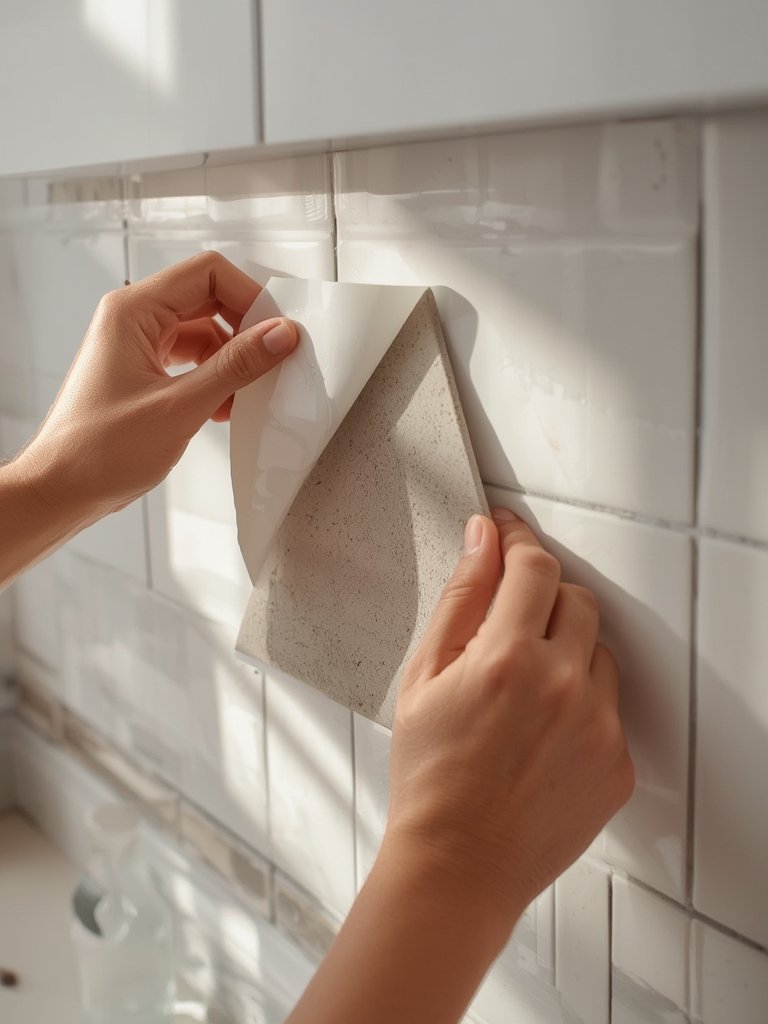
To remove peel and stick backsplash from rental walls with minimum risk, warm gently with a hairdryer then peel slowly at a shallow angle. Clean any leftover residue with a gentle adhesive remover or rubbing alcohol, not harsh chemicals. If you want rental upgrades that go further, check out our 2025 Home Improvement Ideas for more inspiration.
Advanced Analysis and Common Pitfalls
While peel and stick backsplash saves time and installation costs, there are limitations every buyer should consider before purchase and application.
- Unknown Durability: Open-source data does not reveal typical lifespans for peel and stick tiles in high-moisture settings. Many budget options don’t advertise heat or steam resistance, which can lead to curling or adhesive failure behind cooktops or near dishwashers.
- Adhesion Problems: Dust, grease, or poor wall prep are a major cause of peeling corners and failed adhesion. In bathrooms or kitchens with textured or uneven walls, even premium adhesives can struggle, resulting in “bubbling” or tiles slipping down over time.
- Removal Damage for Renters: Although billed as removable, some adhesives can strip paint or drywall if tiles are pulled off aggressively or after prolonged exposure to heat, steam, and humidity. Always check your lease agreement and test a small area before redoing an entire kitchen.
- Fewer Material Choices and Surface Realism: While new products look remarkably authentic, they may not match the feel, depth, or gloss of true ceramic or stone under close inspection or strong lighting.
| Feature | Peel and Stick Backsplash | Traditional Tile Backsplash |
|---|---|---|
| Material | Vinyl, PVC, lightweight composite | Ceramic, glass, stone |
| Typical Cost per sq ft | Usually lower (varies, research suggests vinyl is dominant for affordability) | Higher (includes labor/grout) |
| Ease of Removal | Usually possible, but risk of residue or paint damage exists | Permanent, removal requires tools and patching |
| Moisture / Heat Resistance | Varies by brand; vinyl products generally good for light kitchen use | Excellent, designed for high temperature and water exposure |
| Installation Tools/Cleanup | Minimal, no grout mess, easy for DIY | Requires skill, specialty tools, messier |
For broader context on common pitfalls across home improvement projects, including how to select tools for these tasks, see our complete Lowe’s store guide.
Conclusion
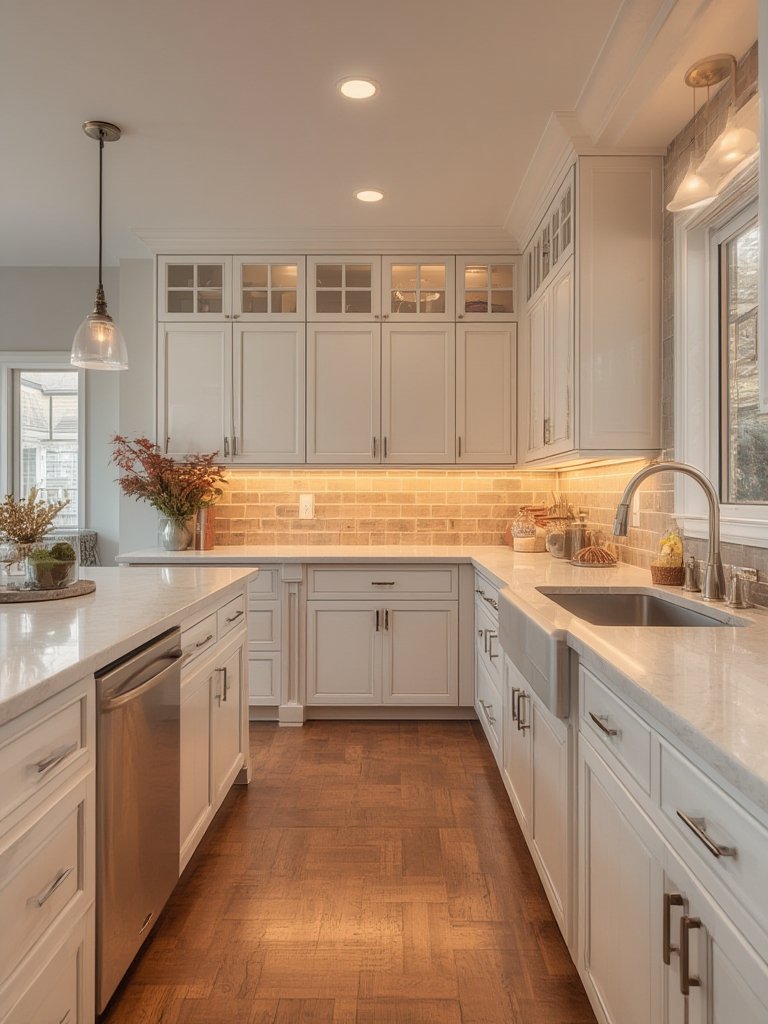
If you need an instant style boost or an affordable, beginner-friendly kitchen upgrade, peel and stick backsplash delivers just that—especially if diligent prep and care go in. There’s no substitute for traditional tile in terms of ultimate durability or realism, but for renters or anyone seeking a fresh look with no demolition, this solution is tough to beat.
Ready for more? Explore our top home upgrade ideas and get started with your own DIY tool kit. For the latest market insight, check sources like Future Market Report and DataIntelo. Whether you’re a renter or homeowner, peel and stick backsplash puts design within reach—so get creative and start installing today.
Frequently Asked Questions
Will peel and stick backsplash tiles damage rental walls?
Most are designed not to. For best results, remove tiles slowly with heat and clean the wall immediately. Always test in a hidden area first and review your lease agreement before you begin.
How long does a peel and stick backsplash last in a kitchen?
Lab-tested data is scarce, but most vinyl tiles last several years with proper installation and care. Excess heat or steam can reduce lifespan, especially if tiles are installed near a stove or sink without proper surface prep.
Can I install peel and stick backsplash over existing tile or textured surfaces?
It’s possible on flat, clean surfaces. Very uneven, textured, or greasy walls can limit adhesion and lead to poor results. Some products specifically warn against applying over old tiles or porous/plaster surfaces.
Is peel and stick backsplash waterproof and heat resistant?
Many vinyl and composite products are water resistant, but true waterproofing and heat resistance depend on the specific brand and adhesive used. Check manufacturer specs before installing behind cooktops—traditional tile is better in high-heat zones.
How much does peel and stick backsplash cost compared to traditional tile?
While cost data varies, peel and stick options are usually the most affordable, especially when you factor in DIY installation. Traditional tile usually requires hiring a professional and costs more overall.