

### Blog Post:
If you’re looking to cut energy bills and reduce your home’s carbon footprint, a heat pump water heater is one of the most effective upgrades you can make in 2024. Unlike traditional electric or gas water heaters, these units are far more efficient, come with new rebate opportunities, and now offer features and noise levels suitable for nearly any home. But, is the technology right for you? This guide unpacks real-world costs, efficiency, benefits, and what homeowners actually experience after making the switch—so you avoid surprises.
Key Takeaways
- Modern heat pump water heaters are up to 3x more energy-efficient than traditional models, leading to substantial utility savings.
- Upfront costs are higher, but federal and utility rebates can shorten payback periods to 3–7 years.
- Noisy operation and complex installation are common downsides—especially if not professionally installed or located in tight living spaces.
- How Heat Pump Water Heaters Work (And Why They Matter)
- Step-by-Step Installation & Upgrade Guide
- Advanced Analysis & Common Pitfalls
- Conclusion: Should You Switch?
- FAQ
How Heat Pump Water Heaters Work (And Why They Matter)
Heat pump water heaters (HPWHs) move heat from the air into your water tank—rather than generating heat directly. This approach allows them to achieve A+++ energy ratings and COP values up to 3.9 in 2024, using about 2–3 times less energy compared to electric resistance or gas-powered heaters. Major brands like Rheem ProTerra, A.O. Smith, and Stiebel Eltron now offer UEF-rated models that deliver more than 3 units of heat for every 1 unit of electricity, resulting in major energy savings for homeowners.
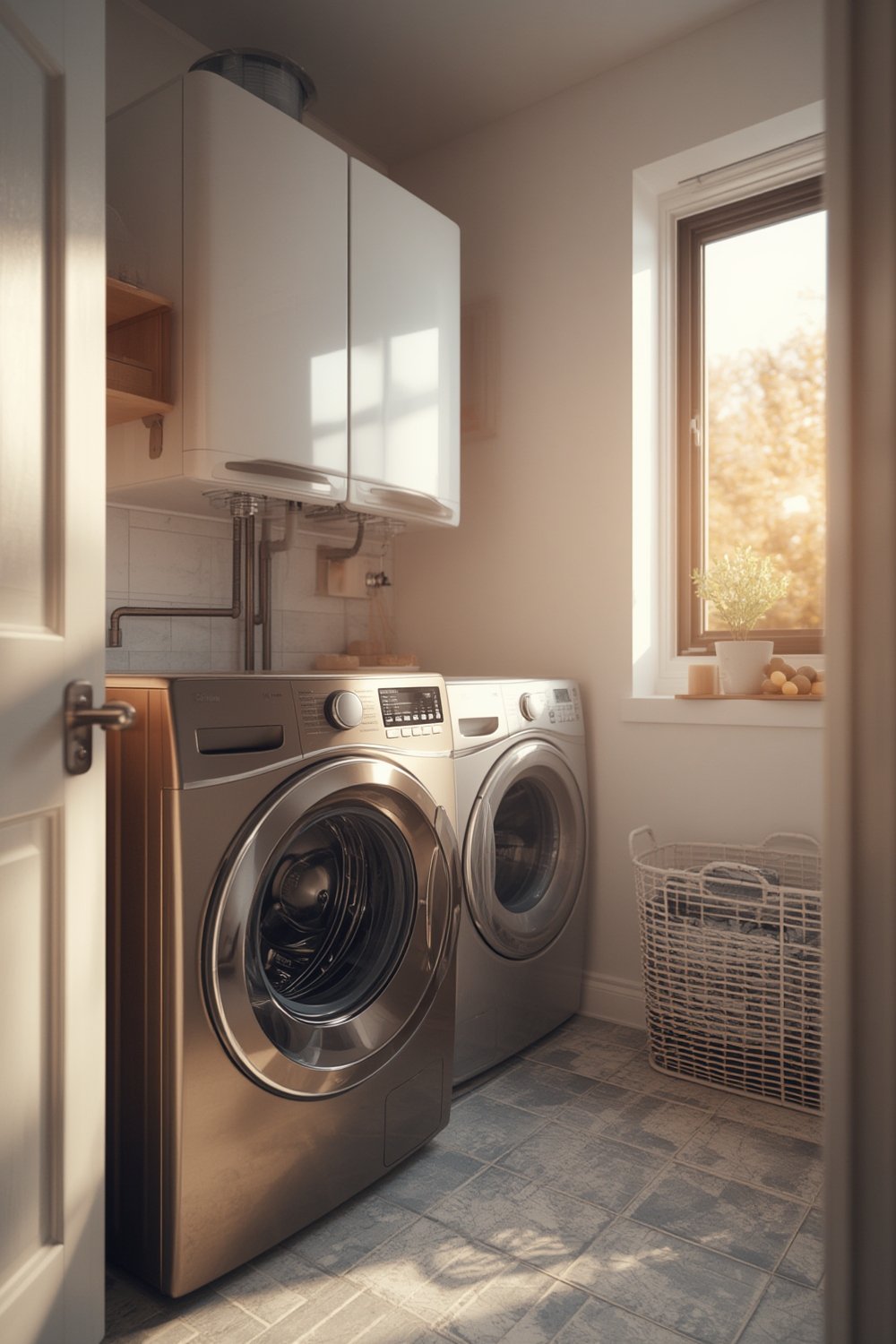
For context, while traditional electric heaters convert all power to heat (100% efficiency), a modern HPWH multiplies that input, greatly offsetting monthly utility costs [source].
Hybrid models blend heat pump and conventional elements (like electric resistance), offering backups for extreme conditions, but still deliver much greater efficiency when compared to both classic tank and standard hybrid hot water tanks. As a result, the move towards HPWHs is one of the best ways to instantly modernize a home’s core energy system and take advantage of new federal or state rebates.
Step-by-Step Installation & Upgrade Guide
Switching to a heat pump water heater involves more than just buying a new tank. Here’s exactly what to expect and how to maximize your investment.
-
Assess Your Space Requirements
- HPWHs require more clearance than tankless or traditional tanks—typically at least 700 cubic feet for air exchange. Basements and garages are optimal, but newer compact models can go in insulated utility rooms.
-
Decide on Model Type
- All-in-one units are simplest to install, but split systems can perform better in extreme climates.
- Hybrid options offer electric backup for peak or emergency use.
-
Get Professional Installation
- DIY is rarely recommended unless you have plumbing and HVAC electrical experience (get the right tools here).
- A pro can ensure code compliance, which lowers failure risk and helps retain your warranty (which can be 6–10 years for leading brands).
-
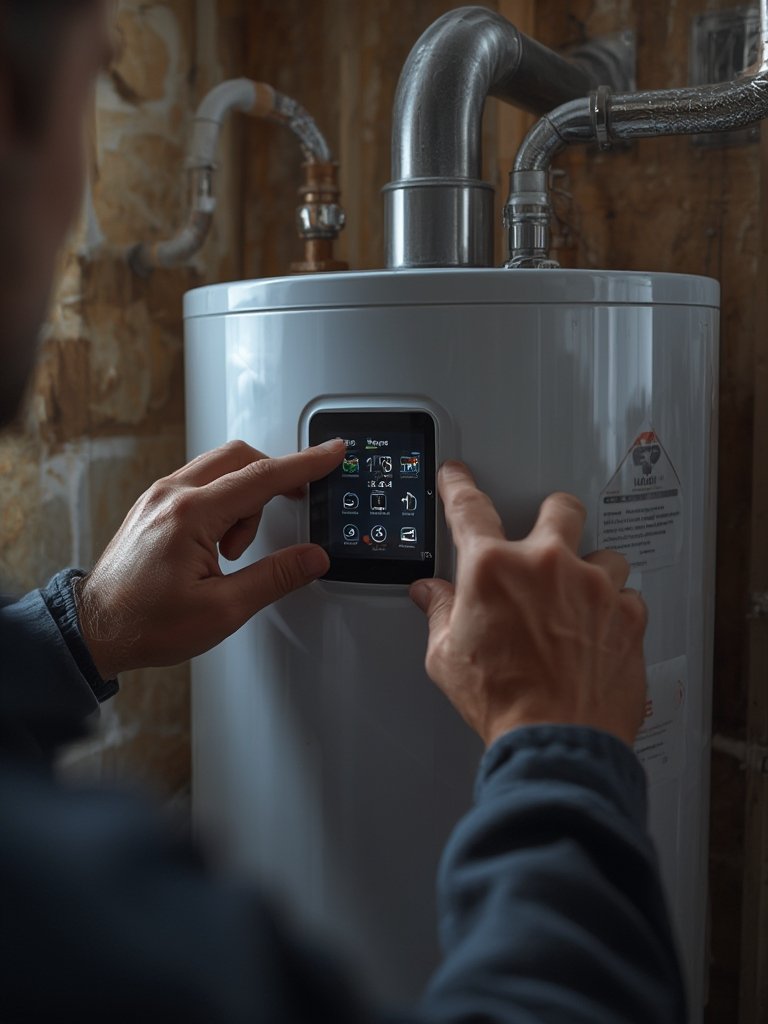
Connect Controls & Smart Features
- Modern HPWHs like the Rheem ProTerra and Ruud Ultra support WiFi, modes for energy savings or vacation, and can integrate with solar (JS30HW300, J85HW410F).
-
Claim Incentives & Rebates
- Leverage federal tax credits (up to 30% of project cost), state programs, and utility rebates—often totaling $800–$2,000 for ENERGY STAR models (see eligibility).
-
Maintain for Longevity
- Annually clean the air filter and check settings. In cold climates, inspect compressor and refrigerant components periodically for max performance.
If you want to further maximize your energy savings, consider pairing your new HPWH with a window insulation film project or add smart breaker panels for more efficient household management (see our detailed guide).
Advanced Analysis & Common Pitfalls
While heat pump water heaters offer undeniable long-term benefits, they’re not without drawbacks or complications. Here’s what real users and technicians report most often, along with a clear comparison of costs, savings, and carbon impact:
| Feature/Metric | HPWH (2024) | Traditional Electric | Gas |
|---|---|---|---|
| Initial Unit Cost | $799–$3,000 | $400–$1,200 | $500–$1,500 |
| Installed Cost | $1,800–$5,000 | $1,000–$2,500 | $1,200–$3,000 |
| Annual Energy Use | ~900–1,500 kWh | ~3,000–5,000 kWh | ~150–250 therms |
| Estimated Payback | 3–7 years | n/a | n/a |
| CO2 Reduction | 50–70% | 0% | 30–50% |
| Major Downsides | Noise, space, install complexity | High bills, no rebates | Fossil fuel, venting, lower rebates |
| Top Feature Gaps (Competitors Miss) |
|
– | – |
Common Pitfalls:
- Noise: Some HPWHs are loud enough to annoy if installed near living spaces (though quiet models exist—always check reviews or specs).
- Space Limitations: These units generally need more square footage than classic tank heaters.
- Installation Complexity & Cost: Upfront installation is nearly always higher than a standard unit (especially where electrical upgrades or new ducting are required).
- Maintenance/Repair: Compressor and refrigerant systems may require professional service, especially in low temps or dusty environments. Choosing brands with robust warranties like Rheem or A.O. Smith helps.
- Upfront Cost Surprise: Before incentives, HPWHs cost more than most homeowners expect. Use rebates to close the gap quickly (read more here).
Not sure how to compare models or rebates in your area? Check the ENERGY STAR product finder for real-time incentives.

Conclusion: Should You Switch?
Today’s best heat pump water heaters bring huge improvements in energy efficiency, operating costs, and environmental impact—but they’re not set-and-forget devices. Installation and maintenance are more complex, and they require careful model selection for your climate and home size. If up-front costs don’t scare you off, rebates and energy savings will likely pay for your investment within 3–7 years. Combined with improvements like induction cooktops or garage upgrades, upgrading to a heat pump water heater is among the smartest moves you can make for comfort, savings, and sustainability. Ready to start saving? Take the first step by assessing rebates and comparing certified models now.
FAQ
How noisy are heat pump water heaters, really?
Noise can range from a light hum (similar to a refrigerator) to noticeably loud if installed near bedrooms. Models like the Rheem Performance Platinum are highly rated for quiet operation. If you’re sensitive to noise, confirm decibel ratings and consider location before installing.
Can I install a heat pump water heater myself?
Professional installation is strongly recommended due to electrical, plumbing, and warranty requirements. DIY is only an option for experienced individuals with the right home improvement tools, and even then, you may risk your warranty.
What is the average cost after rebates and how soon do I break even?
With rebates, expect to pay $1,000–$3,000 installed for most homes. Given operating savings, typical payback is 3–7 years—faster if electricity rates are high or you access full rebates (learn more).
Will a heat pump water heater work in winter or cold climates?
Yes, but model choice is critical. Many new split-type models maintain performance down to –10°C with special compressors and refrigerants. Check for low-temperature ratings and consider pairing with solar systems for maximum stability (see solar backup tips).
Do HPWHs need more maintenance than regular heaters?
They require annual cleaning of intake filters and occasional checks on compressors/refrigerants. Overall, maintenance is low, but pro service is suggested every few years for optimal life and performance.
—