

whole house surge protector installation is the single best way to protect your home’s wiring, appliances, and expensive electronics from costly power surges—especially as severe weather and grid disruptions rise.
Key Takeaways
- Whole house surge protectors can prevent up to 80% of surge-based equipment damage and significantly reduce the risk of electrical fires.
- Correctly specifying and installing a surge protector is crucial—look for Type 1 or Type 2 units with appropriate kA ratings and fast response times.
- Most damaging power surges come from inside the home, and point-of-use protectors alone are rarely enough.
- What Is A Whole House Surge Protector—And Why Do Homes Need One?
- How to Choose and Install a Whole House Surge Protector: A Step-by-Step Guide
- Advanced Analysis & Common Pitfalls With Whole Home Surge Protection
- Conclusion
- FAQ
What Is A Whole House Surge Protector—And Why Do Homes Need One?
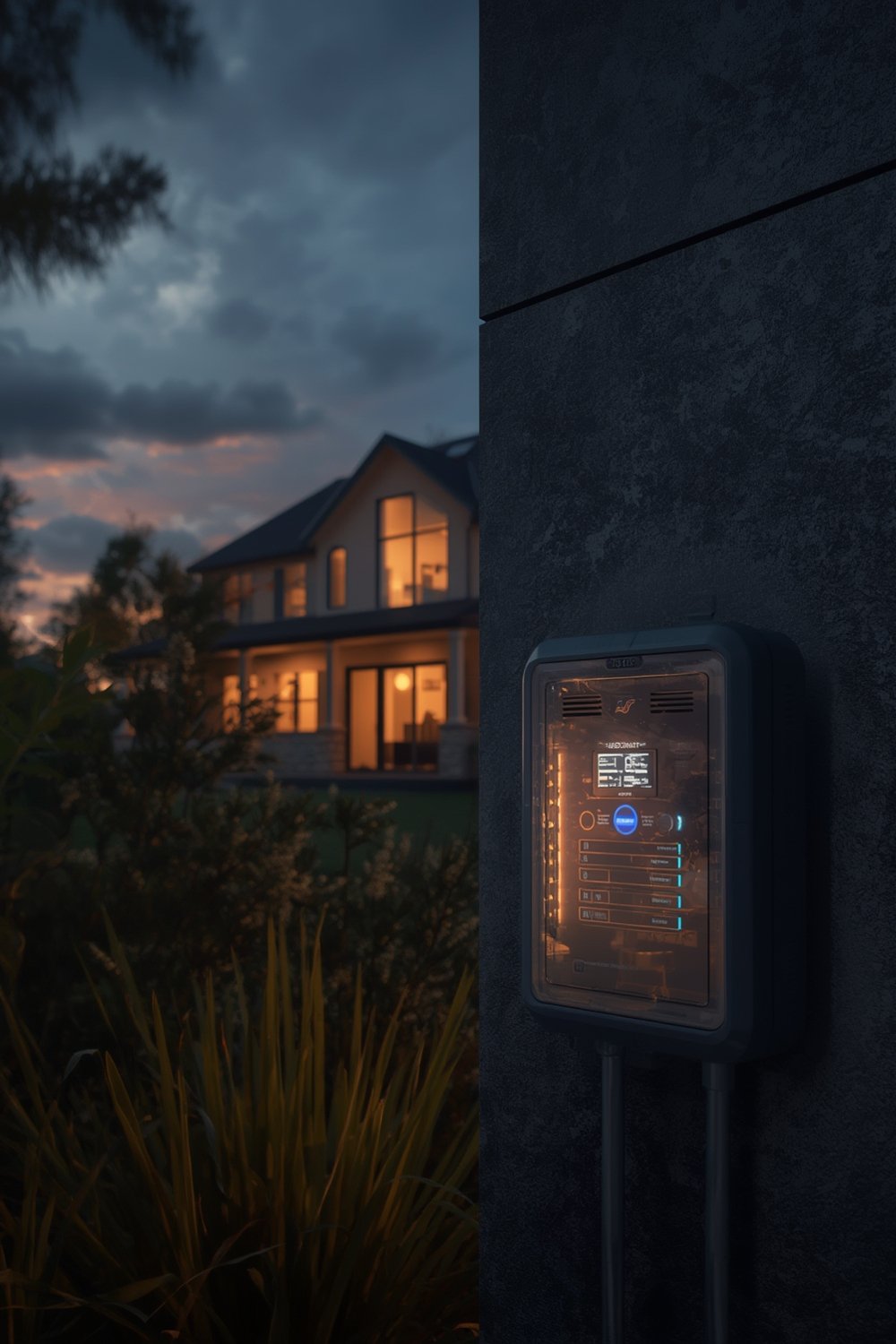
A whole house surge protector is a hard-wired device installed at your home’s main electrical panel. Its purpose is to stop dangerous voltage spikes—caused by lightning, grid disruptions, or issues with major appliances—before they reach and damage your wiring, appliances, and sensitive electronics.
According to recent research, surges—not just lightning, but also more frequent storm-driven outages and power grid disturbances—cause $900 million in property damage each yearsource. Electrical malfunctions, including surges, account for over 24,000 residential fires annuallysource. With U.S. power customers experiencing an average of 11 hours of service interruptions in 2024source, surge risk is rapidly rising across all regions.
Studies show a high-quality surge protector can prevent up to 80% of surge-related equipment loss, typically saving homeowners between $2,000 and $5,000 per incident, and even reduce electrical fire risk by up to 50%source.
If you’re investing in home improvement tools or smart technology, surge protection is foundational—not optional. And remember, 60-80% of damaging surges actually start inside your house from large appliances or cycling HVAC equipment, so a layered strategy is essential.
For more ways to boost energy resilience, check out our solar generator home backup guide.
How to Choose and Install a Whole House Surge Protector: A Step-by-Step Guide
- Assess Your Risk
Is your neighborhood prone to lightning storms or power outages? If you have high-end electronics, heat pumps, or an electric tankless water heater, you’ll need a robust protector. - Check Your Electrical Panel
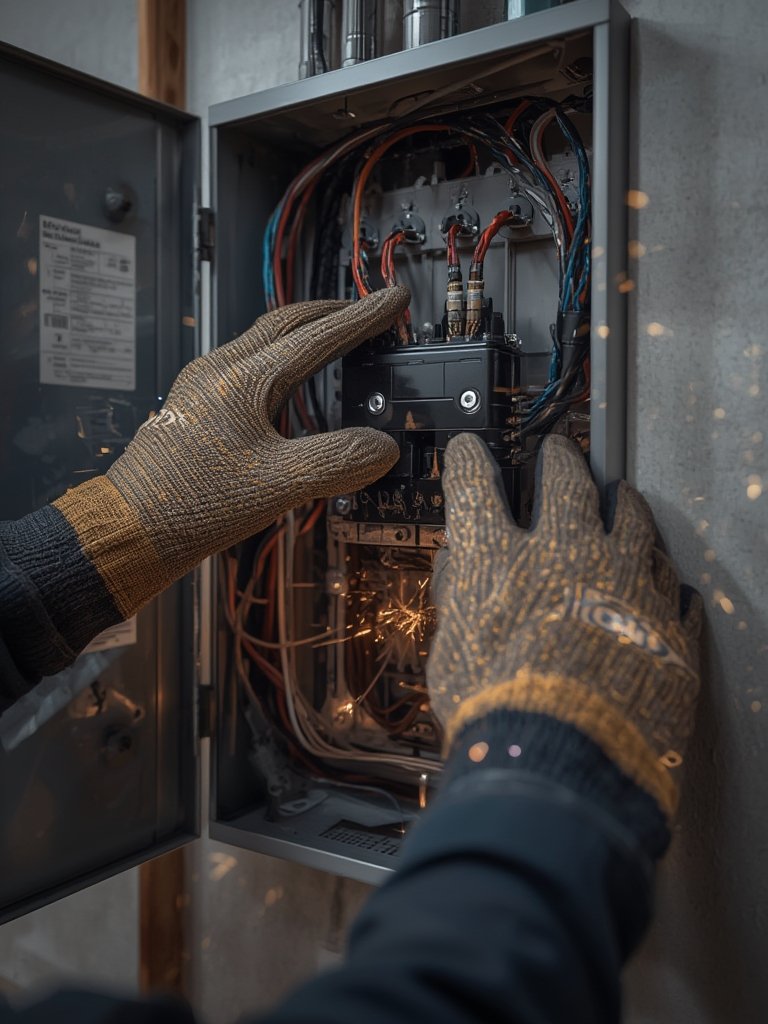
Know your panel’s brand, model, and available space. Only a licensed electrician should open the panel and confirm compatibility. - Choose the Right Surge Protector Type
- Type 1: Installs at the service entrance, ideal for maximum protection (look for 200+ kA surge rating, <25 ns response time).
- Type 2: Installs at your main/internal panel. Sufficient for most homes (40-80 kA, <25 ns).
Ensure your device meets NEC Article 230.67 requirements for modern surge protection standards.
- Vet Certifications and Brand
- Prioritize NEC compliance—UL, IEEE, and respected manufacturer guarantees add peace of mind.
- Hire a Licensed Electrician
- DIY installation is risky and not code compliant. Always use a qualified installer to ensure proper wiring and bonding.
- Test and Maintain Regularly
- Inspect indicator LEDs after every major surge or outage. Some models have indicators for “end of life,” so check annually or after events.
For climate-prone garages or converted living spaces, see our garage gym insulation guide—since new circuits often mean higher surge risk.
Worried about tool safety during electrical projects? Our Lowe’s tool buying guide covers the safest ways to shop and find qualified installers in-store.
Advanced Analysis & Common Pitfalls With Whole Home Surge Protection
Surge protectors are not all created equal—and “set it and forget it” can be a dangerous assumption. Below are hard truths and common mistakes to avoid:
- Under-sizing the Surge Protector. Many homeowners save a few dollars with lower kA units, but these rarely survive strong lightning strikes or sustained outages. Sizing is critical and should reflect both your home’s wiring and local risk factors.
- Ignoring Internal Surges. Most surges actually originate from within your home—like cycling air conditioners or switching on a heater. A panel-only setup without point-of-use protection means your devices are still exposed to micro-damage.
- Incorrect Installation. Homeowners sometimes attempt a DIY install or hire unqualified help, resulting in reversed polarity, poor grounding, or code violations. Always use a licensed professional.
- Skipping Maintenance. Many units degrade with age or after severe surges. Failure to test or visually check the indicator lights defeats the point of having protection.
- False Sense of Total Lightning Protection. Whole house surge protectors suppress voltage spikes but they do not defend against a direct lightning strike to your roof. For that, you still need a grounded lightning rod system.
- Warranty Confusion. Many surge protectors come with “lifetime” or extended warranties, but the fine print may require regular follow-up or panel inspections as proof. Save your receipts and follow maintenance recommendations.
| Solution | Surge Capacity (kA) | Response Time | Protection Scope | Lightning Defense | Best Use Case |
|---|---|---|---|---|---|
| Whole House (Type 1/2) | 40-200+ | <25 ns | All wired circuits | Dissipates surges, but does not ground direct lightning | Complete home/appliance coverage |
| Point-of-Use (Type 3) | 6-20 | <1 ns | Individual devices/outlets | Does not handle large surges | High-sensitivity electronics |
| Lightning Rod | N/A | Instant | Physical structure (roof, frame) | Directs lightning safely to earth | Homes in high-strike zones |
Research shows that only a coordinated approach—combining surge protectors at multiple levels with proper grounding—delivers optimal protectionsource. Smart breaker panels can further enhance detection and control for surge-prone homes.
Conclusion
Investing in a whole house surge protector is a smart, practical step to safeguard your property as both power grid instability and severe weather events increase. Even though some issues—like warranty surprises or the false sense of total lightning protection—deserve caution, the benefits far outweigh the drawbacks. Remember, only whole house surge protector systems provide peace of mind for every circuit—especially in tech-filled homes. Ready to protect your home? Schedule a consultation with a licensed electrician or review the latest NEC-compliant options today.
FAQ
How much does it cost to install a whole house surge protector?
Costs vary depending on location, panel type, and labor rates. Equipment can range from $150 to $500, with professional installation adding $100 to $400. Bundle with other electrical work to save on labor.
Does a whole house surge protector need maintenance?
Yes. Inspect indicator LEDs after storms or outages and check annually. Replace the device if the indicator signals failure, or at recommended intervals by the manufacturer.
Will a whole house surge protector last forever?
No. Surge protectors wear out, especially in areas with frequent surges. Most units last between 3 and 10 years, depending on exposure and build quality.
Do I still need outlet surge strips with a panel-installed unit?
Yes, for sensitive electronics. Layered protection with both panel and point-of-use units ensures surges from appliances or internal wiring spikes are also mitigated.
Can I install a whole house surge protector myself?
It’s not recommended. Installation involves working inside your main electrical panel, which is hazardous and may be illegal without proper licensing. Always hire a qualified electrician.