

Attic insulation upgrade is one of the most cost-effective ways to cut energy bills, boost comfort, and increase home value. Yet, most U.S. homes remain under-insulated—even today. In this guide, you’ll get the facts, actionable steps, and honest insight to upgrade your attic insulation with real results and no surprises.
Key Takeaways
- Upgrading attic insulation cuts average heating and cooling costs 10-20% yearly and often pays back 100% or more at resale (source).
- Choosing the right material—fiberglass, cellulose, or spray foam—means balancing upfront cost, R-value, air sealing, and long-term durability.
- Maximize savings and comfort by combining air sealing with the insulation upgrade, and explore local incentives or rebates.
- What Is an Attic Insulation Upgrade & Why Does It Matter?
- How to Upgrade Your Attic Insulation: Step-by-Step
- Advanced Analysis & Common Pitfalls
- Conclusion: Is an Attic Insulation Upgrade Worth It?
- FAQ: Attic Insulation Upgrade
What Is an Attic Insulation Upgrade & Why Does It Matter?
Attic insulation upgrade means improving the insulation in your attic to modern standards, typically targeting at least R-38 in most regions. This isn’t just about adding more insulation—it often includes sealing air leaks, removing problem spots, and choosing the best material for your climate and attic type.
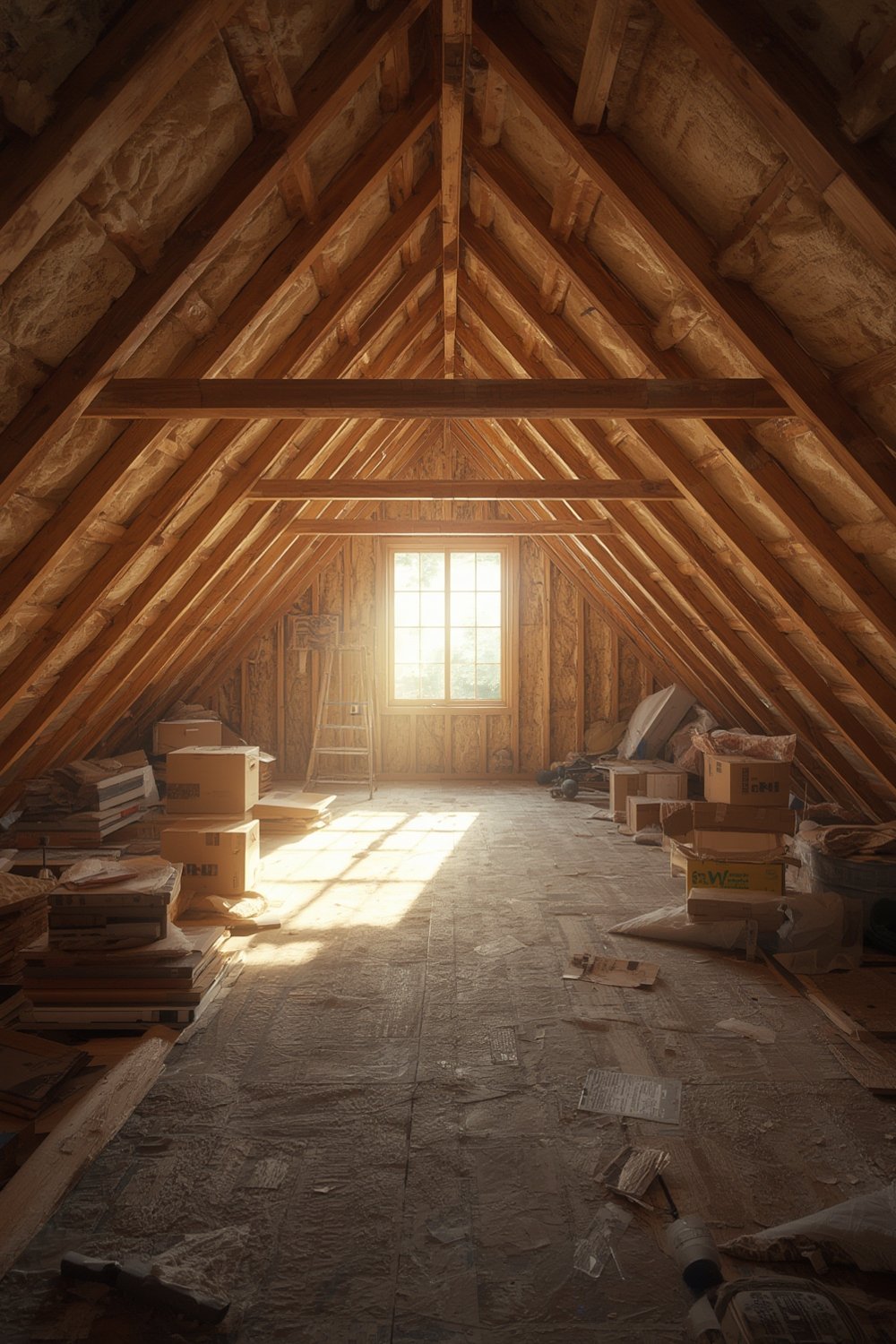
Nationwide, this upgrade delivers significant results. According to the EPA, homeowners who air seal and upgrade attic insulation achieve an average 15% reduction in heating and cooling costs, or around $200 to $400 per year for a typical U.S. house (Energy Star). In hotter climates like Texas, monthly cooling savings of $40 to $60 are being reported (UCS).
Most U.S. homes are not up to the latest standards—over 90% are under-insulated by 2024 benchmarks (InsulateWithFoam). Besides immediate savings and comfort, homes with upgraded insulation often see 100% or greater returns on investment when sold (Energy Star).
Whether you’re tackling this as a DIY project or hiring a contractor, upgrading your attic insulation is a smart move for energy efficiency and long-term home value. For more expert tools and safe project setup, check our Ultimate Home Improvement Tools Guide for Every DIY Project.
How to Upgrade Your Attic Insulation: Step-by-Step
Ready to start your attic insulation upgrade? Here’s a clear path you can follow for maximum impact and minimal headaches.
-
Inspect Your Attic
Check existing insulation depth and type. Look for gaps, dampness, pests, or signs of air leaks. In most U.S. regions, you’re aiming for at least R-38 (13-14 inches fiberglass, 12 inches cellulose).
Tip: If you can see your joists above the insulation, you probably need more. -
Seal Air Leaks
Before adding insulation, seal obvious leaks—especially around pipes, light fixtures, attic doors, and wiring penetrations. Use caulk, spray foam, or weatherstripping as appropriate. This can improve efficiency and help protect new insulation from moisture. -
Choose the Right Insulation Material
Your main choices:- Fiberglass Batts: Budget friendly, fast to install, but leaves gaps around joists and doesn’t seal air leaks (UCS).
- Blown-In Cellulose: Better at filling gaps and around obstructions, offers improved R-value, often made from recycled material.
- Spray Foam: Highest R-value per inch, seals air leaks as it expands, lowers attic temps, controls humidity, and protects HVAC—but costs the most and usually requires a pro.
-
Install or Upgrade Insulation
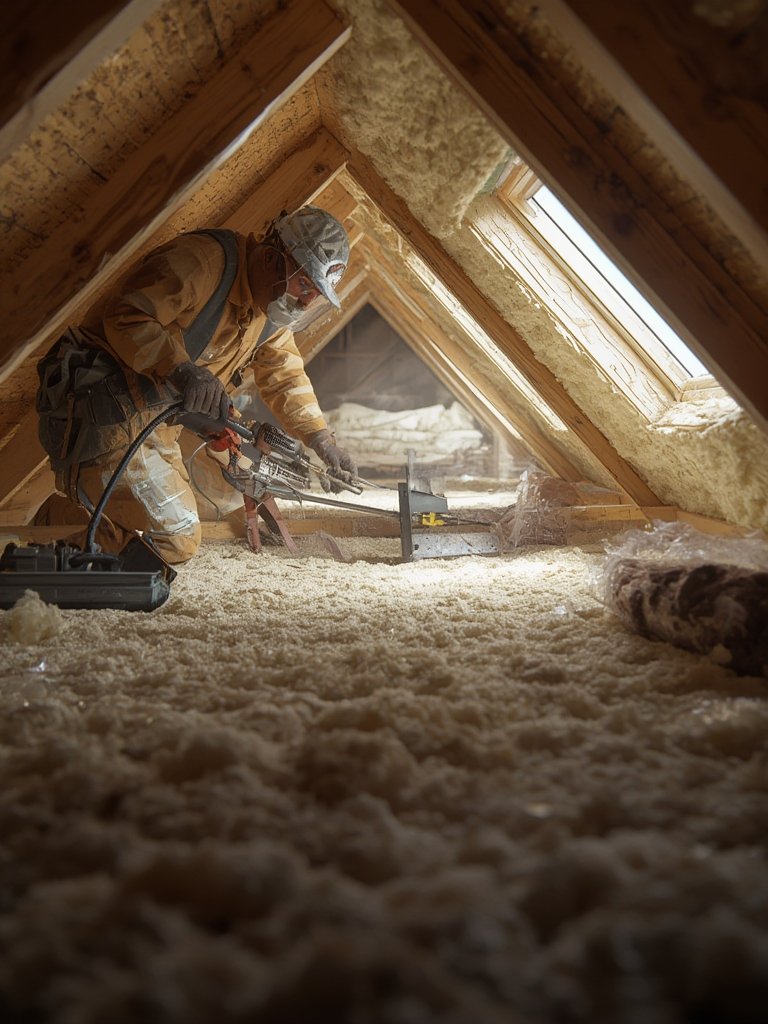
For DIY especially with batts or cellulose, work opposite the attic entry toward your exit, layering insulation uniformly. Spray foam needs certified installers—ensure reputable references.
Remember to leave clearance around recessed lights and attic hatches for fire safety and proper airflow. -
Final Attic Checks
After the upgrade, examine your attic repeatedly for damp spots, blocked vents, and general coverage. Keep photographs and invoices—these will help document improvements for future incentives or resale.
For deeper dives on DIY efficiency, read our Ultimate Home Improvement Ideas 2025 or explore hardware sourcing strategies from Lowe’s Home Improvement: Tools, Tips & Community Impact.
Advanced Analysis & Common Pitfalls
Even the best attic insulation upgrade projects hit unexpected snags. Here’s what you need to know—plus a direct material comparison, so you can select the best option for your home’s needs.
Common Pitfalls and Risks to Avoid
- Inadequate Air Sealing: Adding insulation without serious air sealing means missed savings and continued drafts (Energy Star).
- Moisture Problems: Skipping proper ventilation or using the wrong vapor barrier can trap moisture and cause mold or ceiling damage.
- Pest Infestation: Unaddressed attic pests can destroy new insulation within months.
- Selecting the Wrong Material: Batt insulation is cheap but often leaves uninsulated gaps. Spray foam maximizes performance but is costly and should only be done by skilled contractors.
- Ignoring Incentive Opportunities: Many regions offer rebates—missing them means leaving money on the table. Always check with local energy offices, utilities, and incentive finders.
- Poor Documentation: Not saving invoices, photographs, or R-value details could sabotage your ability to cash in on rebates or boost home appraisal value.
Comparison Table: Attic Insulation Materials (2024)
| Material | R-Value per Inch* | Air Sealing | DIY Friendly | Cost** | Durability |
|---|---|---|---|---|---|
| Fiberglass Batts | ~3.1 – 3.4 | Poor | Yes | Low | Good (if kept dry) |
| Blown-In Cellulose | ~3.2 – 3.8 | Moderate | Limited | Medium | Good (prone to settling) |
| Spray Foam | ~6.0 – 7.0 | Excellent | No (Pro Only) | High | Excellent |
*R-values approximate. **Cost estimates vary by region and installer; see this source for further detail.
Air Sealing + Insulation = Maximum Efficiency
Trained contractors generally recommend sealing attic air leaks before any new material goes down. Studies show this combo typically cuts heating and cooling bills by 15% on average, and more in cold climates. Not sure if you’re sealing effectively? Request a pre- and post-project contractor “blower door” test for proof of success (West County Insulation).
Don’t Forget Rebates & Tax Credits
Incentives and rebates shift often, but they can make an attic insulation upgrade even more of a no-brainer. Audits are frequently required for eligibility (Datainsightsmarket). For the most current opportunities, look to your state energy office or major utilities. See also: Benefits of Window Insulation Film for additional energy-saving upgrades.
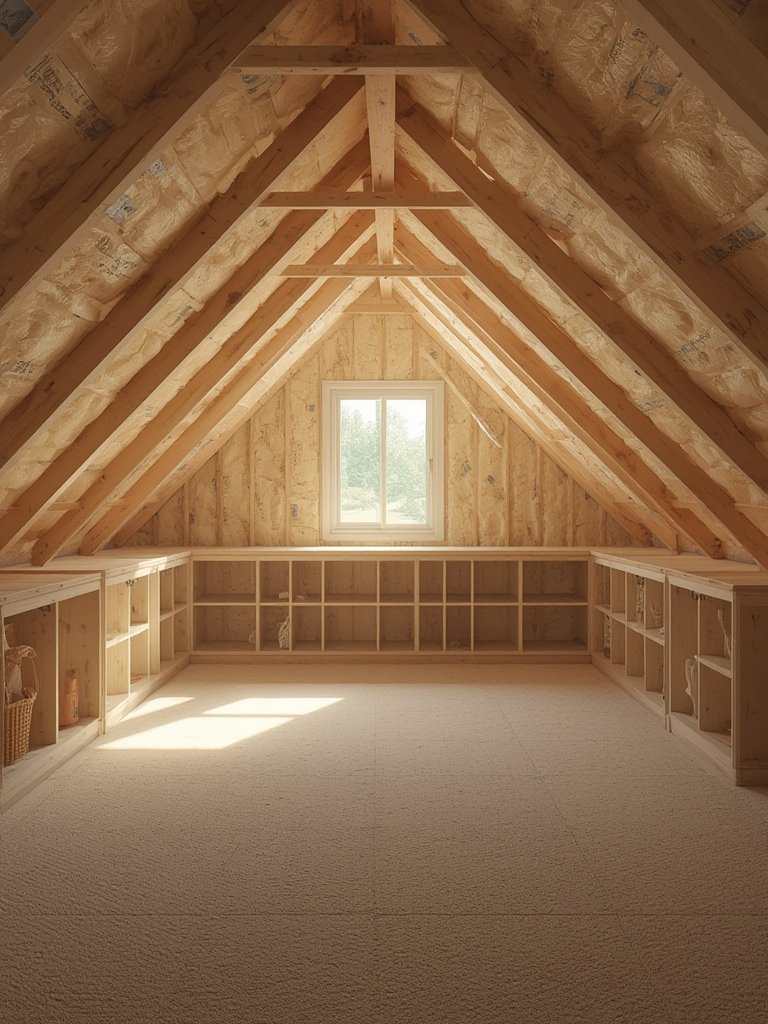
For full home air quality and comfort, also review our guides on basement dehumidifier and mold prevention and insulation ideas for garage gyms.
Conclusion: Is an Attic Insulation Upgrade Worth It?
Upgrading your attic insulation is a proven, practical way to save 10-20% on your heating and cooling, slash drafts, and add lasting value to your home. When you pair an attic insulation upgrade with thorough air sealing, you capture all the benefits—and avoid the frustration of incomplete results or missed incentives.
Don’t leave comfort and savings to chance. Plan your attic insulation upgrade, keep records, and take full advantage of available rebates—and enjoy a warmer, cooler, more efficient home all year round. Ready to get started? Take the first step today and check your attic—it pays.
FAQ: Attic Insulation Upgrade
How much energy can I save with an attic insulation upgrade?
Most homeowners cut their heating and cooling costs by 10-20% per year, which is around $200 to $400 annually for a typical U.S. home. In warm regions like Texas, cooling bills can drop by $40-$60 per month after a proper upgrade.
What is the best attic insulation material for energy efficiency?
Spray foam offers the highest R-value per inch and seals air leaks, making it the most efficient. However, it is costlier and should be applied by a pro. Blown-in cellulose and fiberglass are more DIY-friendly and affordable, but less effective at air sealing.
Do I need to remove the old insulation before adding new?
Usually, you can add new insulation over old unless the old material is wet, moldy, or infested with pests. If there are signs of moisture or animal damage, remove old layers and solve any source problems first.
Are there rebates or incentives for upgrading attic insulation?
Many regions and utilities offer rebates for attic insulation upgrades—especially when combined with air sealing. You’ll often need an energy audit and keep documentation. Always check with your local utility and government programs before starting.
Can I upgrade attic insulation myself?
DIY is possible with batts and sometimes blown-in insulation, but always follow safety precautions and local codes. Spray foam is best left to professionals due to application and safety requirements.