

Smart leak detector systems are rapidly becoming an essential tool for homeowners and facility managers who want to protect their properties from costly water damage events.
Key Takeaways
- Smart leak detectors can reduce water damage claims by up to 96% and may deliver insurance premium savings of 5-15%.
- Choosing the right device means focusing on real-time alerts, shutoff valve integration, and smart home compatibility.
- Pitfalls like false alarms, connectivity issues, and complicated setup can hinder effectiveness if not addressed up front.
- What Is a Smart Leak Detector and Why It Matters
- Step-by-Step Guide to Installing and Using a Smart Leak Detector
- Analysis & Common Pitfalls: What You Need to Know
- Conclusion
- FAQ
What Is a Smart Leak Detector and Why It Matters
Smart leak detectors are Internet-connected sensors designed to spot water leaks or unusual flow patterns in real time, sending instant alerts to your phone and often enabling automatic water shutoff. By taking action the moment moisture is detected, these devices can stop a minor drip from escalating into a catastrophic flood—and help you avoid steep repair and insurance costs.

According to 2024 data, about 1 in 60 homes will file a water damage claim each year. The average incident ranges from $11,000 to $15,000 in repair costs. Smart leak detector systems—especially those paired with automatic shutoff valves—have shown a 96% reduction in claims events and significant severity decreases, as proven by long-term independent studies. That translates to higher peace of mind, easier eligibility for insurance discounts, and less risk for homeowners and landlords.
The global market for smart water leak detectors is growing quickly, expected to top $1.45 billion in 2024, thanks to innovations in sensor technology, wireless integration, and smart home platform compatibility (more insights here).
Step-by-Step Guide to Installing and Using a Smart Leak Detector
Installing a smart leak detector is straightforward if you follow a thoughtful, stepwise approach. Here’s how to get the most out of this investment in water damage prevention:
- Choose your device wisely. Prioritize real-time monitoring, app alerts, and if possible—automatic shutoff features. Ensure your device is compatible with smart home systems like Amazon Alexa, Google Home, or Apple HomeKit for seamless integration. Brands like SwitchBot now offer advanced real-time and shutoff integration (details here).
- Plan sensor placement. Focus on leaks’ most common sources: under sinks, near hot water heaters, behind dishwashers, and laundry areas. The more points of detection, the faster you’ll be warned of trouble.
- Install and connect. Follow device instructions for mounting or placement. Connect each sensor to your WiFi or hub, using the app for real-time monitoring. Secure batteries and double-check for firmware updates.
- Integrate with shutoff valves (if available). If your detector supports it, connect with a smart shutoff valve for instant response. The investment typically pays for itself after a single prevented incident, especially in multifamily or high-risk settings (research shows).
- Set up custom notifications and automations. Use the app or smart home routines to create clear, actionable alerts—both push and SMS. If you have an integrated system, configure rules (for instance, shut off water main if a leak is detected in a vulnerable area).
- Test regularly and maintain. Monthly test cycles help detect dead batteries or connectivity loss before a disaster can slip through. Keep your app updated and regularly inspect physical placement. Replace batteries as recommended.
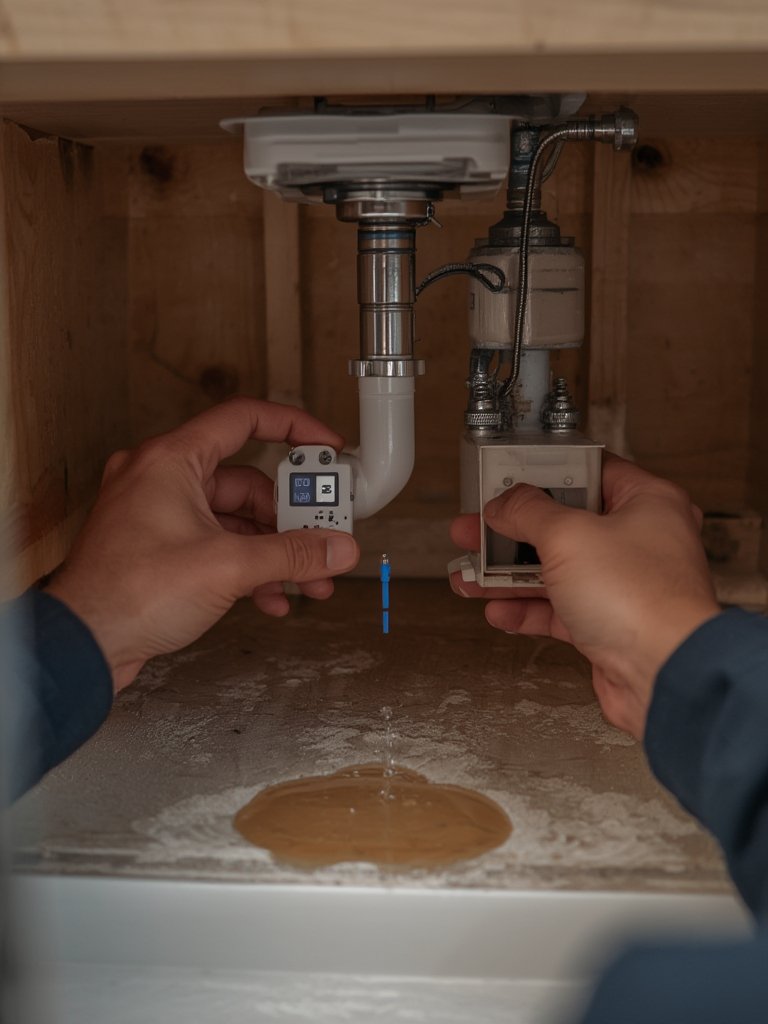
For larger home upgrades, consider pairing your water leak system with other essential home improvement tools for better DIY project results. If you hire a pro installer, be clear about your WiFi and smart home ecosystem to avoid future headaches.
Analysis & Common Pitfalls: What You Need to Know
Smart leak detectors bring huge benefits, but also come with their share of technical and practical challenges. Being aware of potential pitfalls can help you make a smarter buying—and setup—decision.
Most Common Pitfalls with Smart Leak Detectors
- False alarms: Water splash, condensation, or pets can trigger false readings. This leads to “alarm fatigue” and may cause you to ignore valid alerts. Place sensors carefully, away from high-traffic or overly humid spots.
- Connectivity hiccups: Weak WiFi signals or hub sync failures may leave you blind to a leak. Always test signal strength in sensor locations and consider WiFi extenders if necessary.
- Setup and integration challenges: Some users struggle with unintuitive app interfaces, poor instruction manuals, or compatibility weaknesses with their home’s existing smart ecosystem. Read support documentation and check for firmware updates before installation.
- Battery life: Many affordable models use replaceable batteries, which can run out unnoticed if not maintained. Opt for devices that provide regular low-battery alerts, or choose wired models for critical locations.
- No product recall or security issues reported in 2023–2024: Safety concerns remain low. However, always buy from established brands with solid warranties and support.
| Feature | Why It Matters | Potential Downsides |
|---|---|---|
| Real-Time Monitoring & Alerts | Immediate notification prevents escalation. | May drain batteries faster; app notifications can be missed if not set up right. |
| Automatic Shutoff Valve | Stops leaks at the source, reducing damage and claim severity. | Higher initial cost, more complex installation. Valve failure risk if not maintained. |
| Smart Home Integration | Seamless control and automation. | May require troubleshooting across different platforms (Alexa, Google, HomeKit). |
| Sensor Sensitivity & Versatility | Detects both minor leaks and major bursts. | Too sensitive triggers false alarms; too insensitive misses slow leaks. |
If you want to read more about optimizing your home’s safety systems, check out our whole house surge protector install guide, or get tips on affordable smart home upgrades that boost property value and peace of mind. Owners also find that layering multiple preventive techs—like pairing leak detectors with an electric tankless water heater—yields the best insurance and safety results.

Conclusion
Protecting your home or business from water damage is more manageable and cost-effective today with the right smart leak detector. These systems deliver real-time warnings and even automate shutoffs, drastically cutting down on claim frequency and repair bills. Choose devices with robust connectivity, reliable support, and features like battery alerts or valve automation. Don’t overlook common pitfalls—regular testing and thoughtful placement can make or break your system’s effectiveness. Ready to stop leaks before they start? Invest in a smart leak detector today—your property and wallet will thank you.
FAQ
How much can a smart leak detector save me on insurance costs?
Many insurance companies offer 5-15% annual discounts for homes with approved smart leak detector systems, especially those with automatic shutoff features, thanks to the reduced risk of major claims.
Do I need a plumber to install a smart shutoff valve?
Some shutoff valves are DIY-friendly if you’re handy, but many require an experienced plumber for setup. Check the instructions and your plumbing type before purchase.
How often should I test my smart leak detector system?
Test sensors and notification features monthly. Replace batteries as recommended and check for software or firmware updates at least twice a year.
Can smart leak detectors prevent all types of water damage?
They work best for plumbing and appliance leaks, but can’t stop weather-related flooding or leaks from outside water intrusion. Use in conjunction with other mitigation strategies for full coverage.
What if my WiFi goes down—will my smart leak detector still work?
Some detectors can sound a local alarm without WiFi, but remote alerts won’t work unless your network is up. For critical areas, choose a model with both WiFi and local notification options.