

Crawl space encapsulation is one of the most effective — yet misunderstood — home improvement upgrades for moisture control, energy efficiency, and long-term property protection. Whether you’re worried about mold, cold floors, or rising repair bills, this guide covers everything you need to know, from current costs to actionable installation steps, technical specs, and what too many contractors gloss over.
Key Takeaways
- Expect average crawl space encapsulation costs between $3,000 and $15,000 in 2024, with prices scaling based on materials and complexity.
- Skipping encapsulation means higher risks of mold, structural damage, pests, and ongoing humidity issues under your home.
- Most web guides miss critical details such as vapor barrier thickness, sealing methods, and failure points; this guide covers those gaps with practical advice and trusted sources.
- What Is Crawl Space Encapsulation and Why Bother?
- Step-by-Step Guide: How to Encapsulate a Crawl Space Effectively
- Advanced Analysis & Common Pitfalls
- Conclusion
- FAQs
What Is Crawl Space Encapsulation and Why Bother?
Crawl space encapsulation means sealing off the floor, walls, and sometimes even the vents of your crawl space with a specially designed vapor barrier and insulation. The goal is to lock out ground moisture, prevent mold and rot, make the area less hospitable to pests, and even improve the air quality inside your home. By doing so, you turn that area beneath your floor from a potential hazard into clean, dry, usable space. Without encapsulation (or at least a vapor barrier), you invite mold spores, wood rot, pest infestations, and higher energy bills.
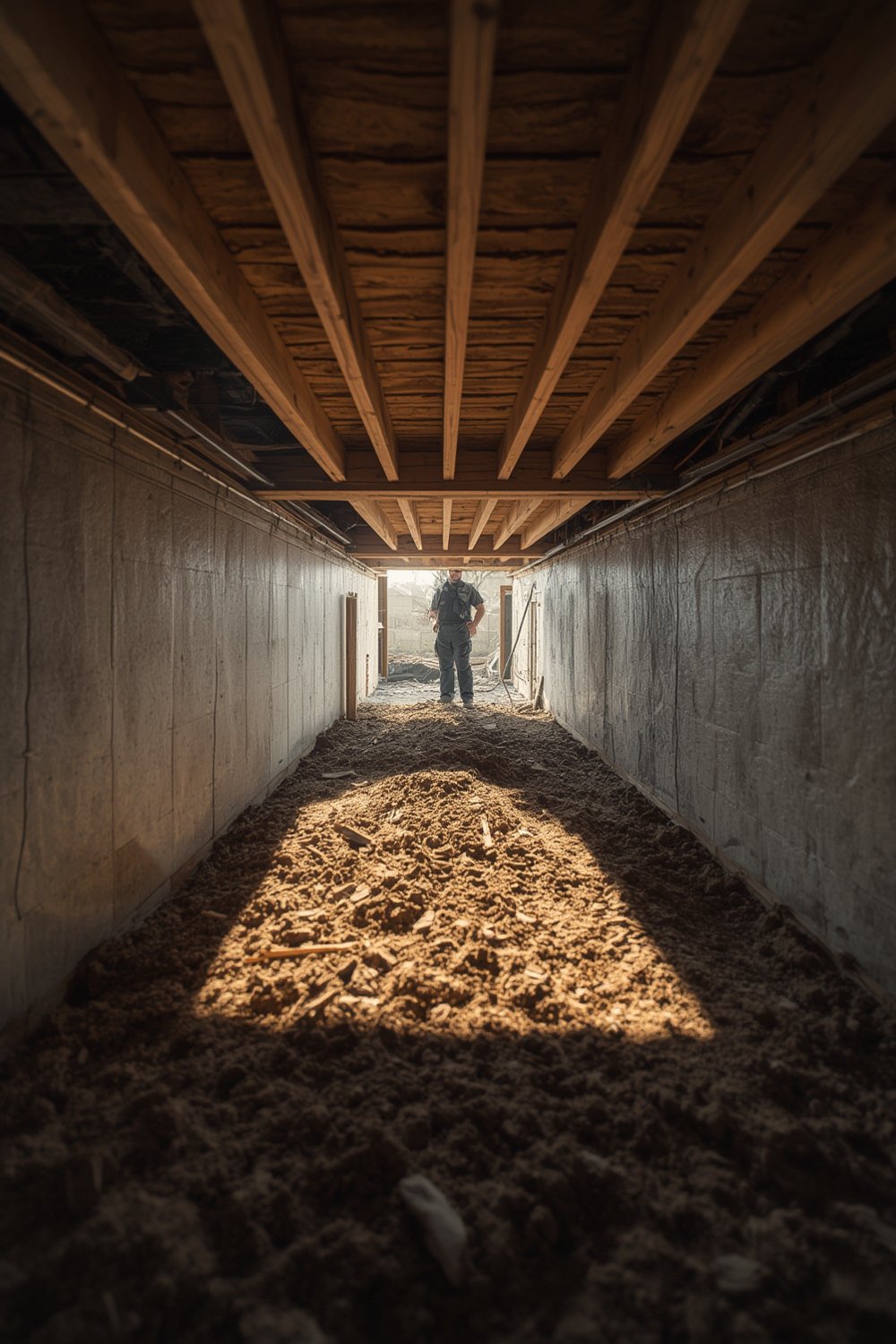
The main benefit is protection: against moisture, against hidden structural damage, and against costly surprises during future home sales. In cold climates, it also means warmer floors and potentially lower heating bills. In humid parts of the country, it means slashing the chances of unhealthy air or a failed home inspection due to mold. Unsure if you have the right home improvement tools for the job? This project is doable for experienced DIYers but many hire pros because mistakes can be expensive.
Step-by-Step Guide: How to Encapsulate a Crawl Space Effectively
Encapsulating a crawl space requires planning, patience, and attention to detail. Here’s a realistic breakdown of the process — and what you need to get the job done right:
- Assess and Prepare: Inspect for signs of standing water, pest infestation, existing mold, and structural issues. If you spot issues, address them first. Remove debris and sharp objects that could tear the barrier. For mold or pest concerns, see this guide on dehumidifiers and mold prevention.
- Repair and Level: Fill cracks in walls or floor. Level the crawl space as much as possible without major excavation. The smoother the ground, the better the vapor barrier will lay.
- Install Drainage (If Needed): Consider adding a perimeter French drain or sump pump if water issues exist. This step impacts total cost and can push you toward the high end of the price range, as seen here.
- Choose and Lay Vapor Barrier: Standard barriers range from 6 mil (inexpensive, less robust) up to 20 mil (heavy-duty, often used by professionals). Overlap seams at least 12 inches and extend the barrier up the walls by at least 6-12 inches. Secure using waterproof tape and masonry fasteners.
- Seal and Mechanically Attach: Use special crawl space tape and rigid fasteners to secure all seams and edges. Airtightness is key. Vents should be sealed or fitted with airtight covers.
- Insulate Walls or Band Joists: In colder climates, attach foam panel insulation to concrete walls (never standard batt insulation, which absorbs moisture). For moderate climates, focus on sealing rather than insulating.
- Add a Dehumidifier: Install a correctly sized, permanently plumbed crawl space dehumidifier to maintain humidity below 60%. This step ensures long-term mold prevention as explained here.
- Final Inspection & Air Quality Check: Walk the perimeter for missed gaps, and if possible, use a hygrometer to monitor long-term humidity.
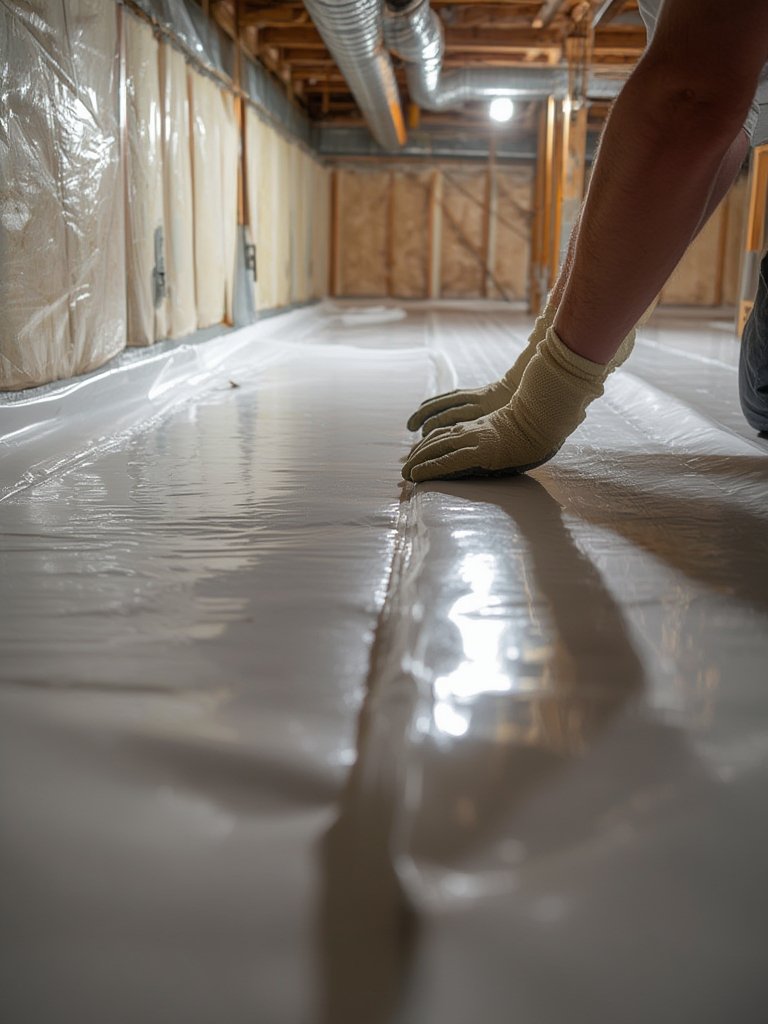
Don’t be surprised if your total price climbs with crawl space size, insulation upgrades, or premium vapor barriers — comprehensive systems with high-end materials often run $10,000 or more as confirmed here. Professional service also typically includes warranties and long-term humidity maintenance plans.
For more ideas on insulation and climate control in tricky spaces, check out our guide to garage gym insulation or see what’s trending in home improvement ideas for 2025.
Advanced Analysis & Common Pitfalls
While encapsulation is a strong investment, it’s not foolproof. Based on the latest research and expert sources, here’s what can go wrong — and how to avoid it.
| Factor | Potential Risk If Ignored | How to Prevent the Issue |
|---|---|---|
| Wrong Vapor Barrier Thickness | Thin (6-10 mil) barriers tear easily, letting in moisture, while thicker barriers (12-20 mil) block water and resist damage | Choose at least a 12 mil professional-grade barrier (20 mil if pets or storage are planned) |
| Poor Sealing Techniques | Improper taping or failure to overlap seams means air/moisture leaks—defeats encapsulation | Use butyl, mastic, or special crawl space tape and overlap all seams by 12 inches |
| Ignoring Existing Moisture | Encapsulation locks in existing water, causing trapped moisture, worse mold, or hidden rot | Fix drainage and dry space before installation; add sump pump if necessary |
| Wrong Dehumidifier Sizing | Undersized units won’t control humidity; mold re-grows | Calculate volume of crawl space and buy accordingly; maintain RH below 60% |
| Skipping Storage Plan | Heavy use may puncture barrier or exceed weight capacity, leading to compromised system | Reinforce with extra pad/barrier in storage zones or avoid heavy use |
In addition, most competitor blogs fail to address:
- Lifetime & Warranty: No reliable lifespan data is available. Professional systems often advertise 20+ years for encapsulation, but documentation and coverage varies widely.
- Long-Term Results: There is a lack of publicly available, quantified stats on energy savings and indoor air quality improvements post-encapsulation. Homeowners generally notice fewer musty odors and more stable indoor temps, but don’t expect specific kWh reduction guarantees.
- Moisture Failures & User Complaints: Official sources and reviews rarely cite specific problems after installation, but issues usually relate to poor barrier sealing, failure to fix prior leaks, or undersized dehumidification. When problems do arise, it’s almost always due to installation errors rather than the concept itself.
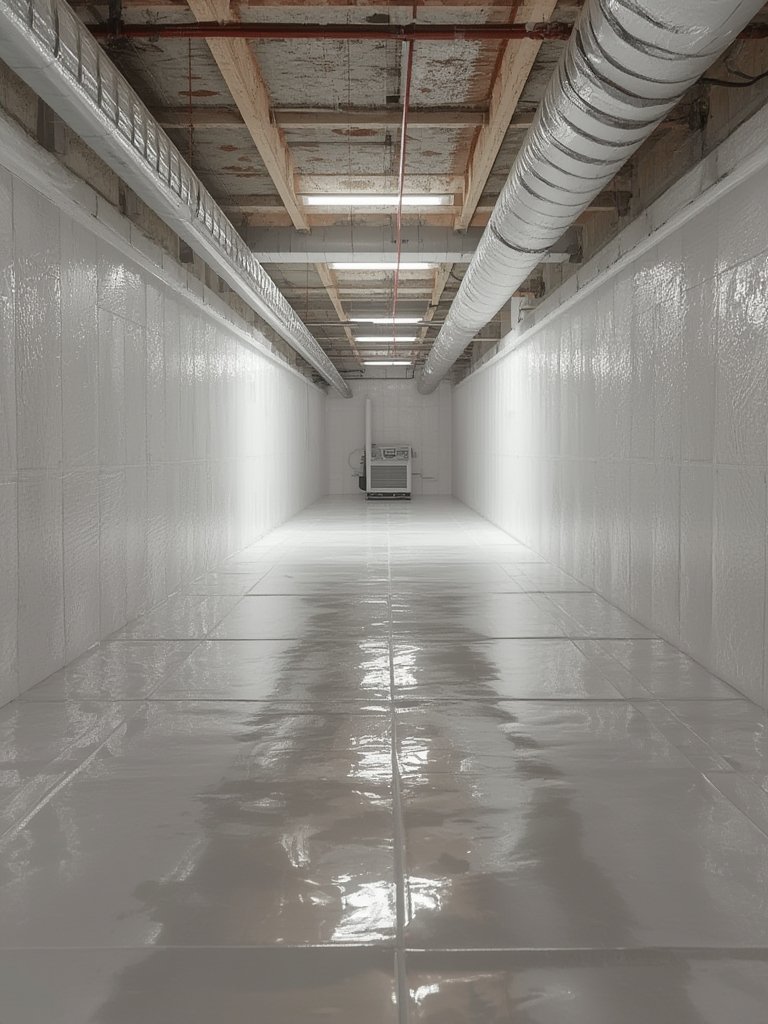
For heightened defense against unexpected water leaks, pairing your encapsulation with a smart leak detector can save thousands in repair costs down the line.
Conclusion
If you want a cleaner, healthier, and more energy-efficient home, crawl space encapsulation is an effective — if sometimes expensive — solution that delivers real results when done right. Skimping on vapor barrier quality, dehumidification, or sealing details will weaken the benefits. Choose proven methods, invest in premium materials where it matters, and don’t hesitate to consult a specialist for tricky installations. If you want to take the next step, compare professional quotes, ask about warranties, and insist on strict installation specs for your crawl space encapsulation project.
Ready to protect your home? Get a detailed inspection and find the right home improvement contractor near you today.
FAQs
How much does crawl space encapsulation cost in 2024?
Typical costs range from $3,000 up to $15,000 or even more, depending on crawl space size, location, repairs needed, and the quality of vapor barrier and insulation chosen. Simple DIY jobs may cost as little as $1,500, while premium professional installations exceed $10,000. For details, see this cost breakdown.
Can I encapsulate my crawl space myself?
Yes, if you have strong DIY skills and the right home improvement tools. However, mistakes with sealing, drainage, or thick vapor barriers can lead to major problems. Many homeowners hire pros for larger or problem-prone spaces. See our DIY tool guide for essentials.
What material is best for a crawl space vapor barrier?
Ground-contact vapor barriers should be at least 12 mil thick (20 mil+ for best results or if storage is planned). Reinforced polyethylene is standard. Avoid thin (6 mil) plastic if longevity or durability is important.
Are there energy or air quality benefits?
Encapsulation generally improves comfort and can lower heating/cooling bills, especially if the crawl space previously had high humidity or drafty floors. Some homeowners report fewer musty odors. There are no widely published stats on kWh saved, but most experience less moisture and more stable indoor air.
Will encapsulation protect against pests?
Properly installed vapor barriers block rodents, termites, and many insects by sealing their main entry points and removing moisture. However, encapsulation works best if paired with sealing up other exterior gaps and ongoing monitoring.