

Acoustic door seal solutions are the first line of defense for anyone battling persistent apartment noise, but results, costs, and durability can vary—sometimes by a lot. If you want a real-world answer on choosing and installing the right seal, this guide lays out exactly what works, what fails, and what you should know before ordering a kit.
Key Takeaways
- Not all acoustic door seals block apartment noise equally—material quality and fit are critical for long-term results.
- Cheaper seals often degrade or lose magnetism within 1 to 1.5 years, leading to frustrating new sound leaks and replacements.
- Installation mistakes and hardware choices impact effectiveness as much as the door seal itself.
- What Is an Acoustic Door Seal – And Why Bother?
- How to Install an Acoustic Door Seal: Step-by-Step
- Advanced Analysis and Common Pitfalls
- Conclusion
- FAQ
What Is an Acoustic Door Seal – And Why Bother?
An acoustic door seal is a specialized strip—usually rubber, silicone, or magnetic—applied around the perimeter or base of a door to block airborne sound. In most apartments, even new doors have 1-5 mm gaps that transmit noise shockingly well. Acoustic seals compress into those spaces, reducing noise bleed and making rooms quieter—even if your walls or windows transmit sound too.
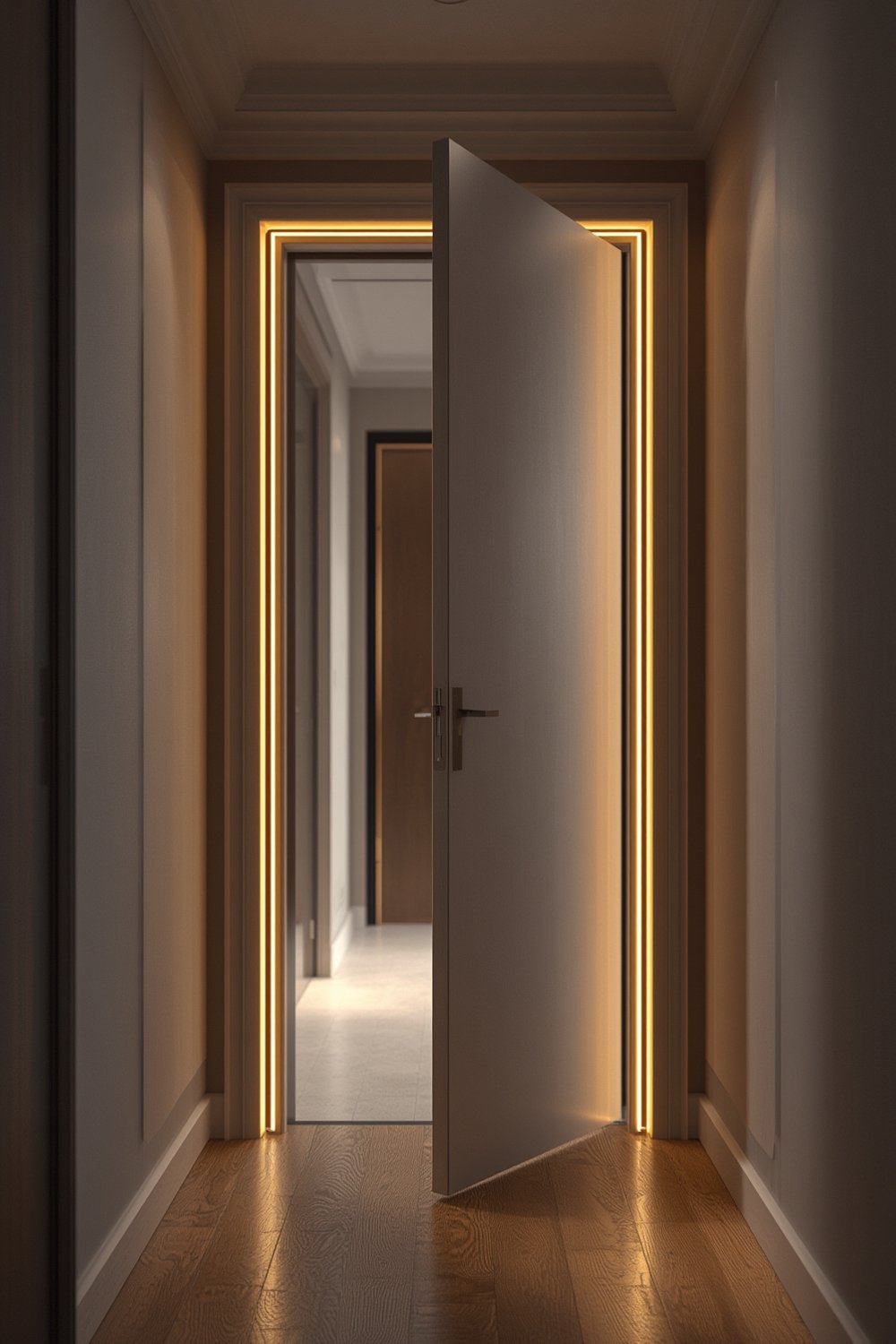
You might consider acoustic door seals if:
- Sound leaks from hallways, neighbors, or street traffic are a recurring issue—especially at night.
- Your apartment lease won’t allow construction or major modifications, but DIY upgrades are allowed.
- Replacing the whole door isn’t practical, but you want the best bang-for-buck soundproofing boost possible.
While a solid door alone can reduce noise by up to 20 dB compared to leaving it open (source), even tiny unsealed gaps (1-5 mm) will undo a lot of the benefit. That’s where seals matter—a critical but often overlooked fix.
Looking to combine this with other smart home improvement ideas? Check out our Ultimate Home Improvement Ideas 2025 for apartment-friendly upgrades.
How to Install an Acoustic Door Seal: Step-by-Step
Want to reduce noise right away? Follow these steps for a durable, effective install—regardless of whether you go premium or budget.
- Measure your door gaps: Use a ruler or gap gauge to check along the sides, top, and bottom. Focus on areas with sunlight peeking through.
- For uneven gaps, plan to use more compressible seals or layer with foam as needed.
- Choose your seal kit:
- Premium: Zero International 367AA (bottom) and 770AA (perimeter), usually $700+ total for full coverage (source).
- Budget: magnetic strips or D-shape foam for $30-40 (source), though you’ll likely replace these every 12-18 months.
- Clean the surface: Wipe door edges and frame clean of dust, oil, or residue to ensure good adhesion.
- Cut and dry-fit seals: Pre-cut strips to match each side, leaving a slight excess at corners for a tight connection.
- Apply or attach:
- Self-adhesive foam: Press firmly, working corner-to-corner, and avoid stretching.
- Magnetic strips: Snap into place, sewing or tacking for reinforcement if doors are heavy.
- Screw-on seals: Drill pilot holes and hand-tighten—do not overtighten to allow for proper compression and avoid bounce.
- Test door swing and closure: The door should close fully with gentle pressure. Stiff seals can prevent latching—trim or adjust as needed.
- Check for leftover gaps: Use light or airflow tests again. Reseal missed spots with extra foam, batting, or heavier-duty strips at known leak points.
- Re-test for sound: Stand outside and talk, clap, or play music—compare with before. Consider using a free decibel meter app for rough before/after readings.
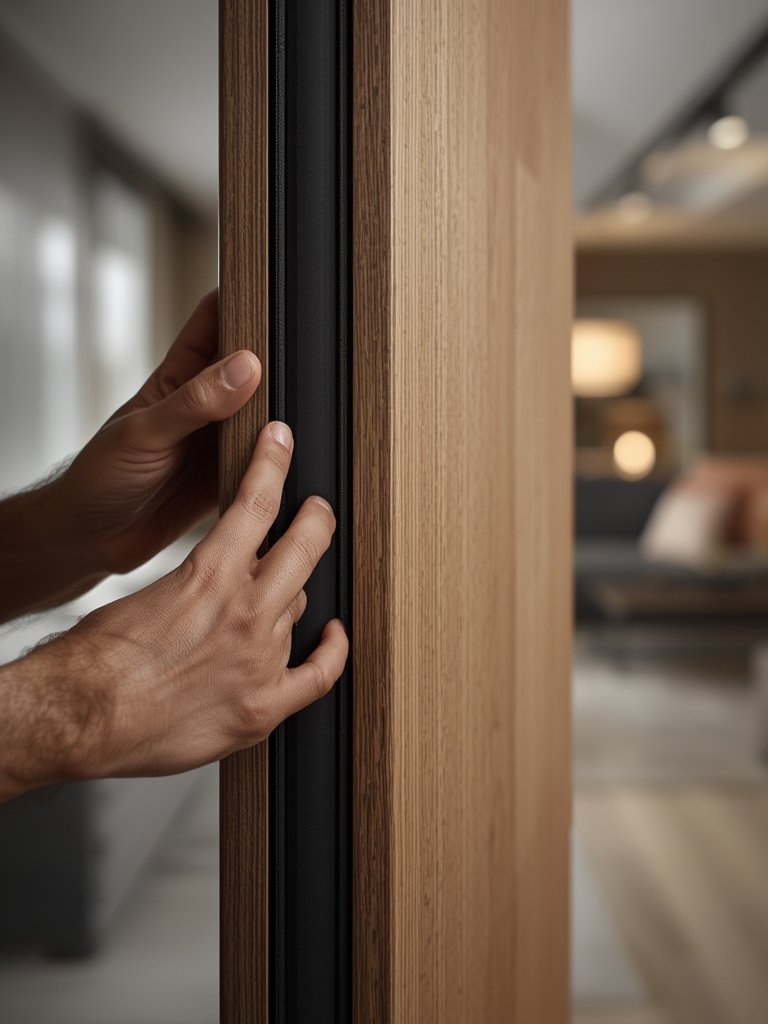
Don’t forget to regularly inspect seals for wear, especially if you have heavy internal doors, kids, or high-traffic areas. Damaged or compressed foam won’t block sound.
This is a DIY project you can tackle with basic tools—see our Ultimate Home Improvement Tools Guide for a checklist of starters that make installation easy, even for beginners.
Advanced Analysis and Common Pitfalls
Real-world use exposes flaws most websites ignore. Here’s what buyer research and user complaints actually reveal, plus how major products stack up.
| Factor | Premium Acoustic Door Seal | Budget Weather Seal |
|---|---|---|
| Initial Cost | $700+ (Zero Intl. full kit) | $30-40 (Amazon, Frost King) |
| Typical Lifespan | Unpublished, but users report multi-year durability | 1-1.5 years average before loss of seal or adhesion |
| Common Failures | Mismatched gap/strip size, installation error, door hardware | Magnetism loss, foam smooshing, strips falling off |
| Noise Reduction* (apartment data) | No verified dB results—expected improvement if gaps are properly matched | No reliable dB data—for doors with large leaks, may help but rarely seals 100% |
| Maintenance | Periodic inspection; rarely needs replacement if installed well | Annual or more frequent replacement required for full effect |
| Fire / Safety Ratings | Not always published—check vendor docs for ratings if needed | Rarely tested for fire |
*The most reliable test found for a solid door gave a 20 dB reduction by closing the door alone, but specific seal products lack verified before/after noise tests in apartments (Source).
- Seal Compression and Hardware: Overly stiff seals can cause the door to bounce and not latch, especially if paired with through-bolt handles instead of mortise locks. This leaves gaps and lets sound leak in. If your door is hefty (200+ lb), mismatched seals or cheap hardware create persistent sealing failures. It’s an underdiscussed but frequent issue in apartment settings (Source).
- Degradation Rate: Magnetic and foam seals often lose stick or compress flat within 1 to 1.5 years, forcing a full redo. Premium (expensive) kits appear to hold up much better, but always check reviews for longevity.
- Uneven Gaps: Most apartment doors aren’t square—some corners may still leak after sealing. Overlapping batwing seals or extra-thick D-shape foam can help here (Source).
- Lack of Verified Results: No published case studies exist for before/after dB readings in apartments, so set expectations accordingly. Real improvement often comes down to careful measurement, good fit, and periodic checks—not product claims alone (source).
For extra sound blocking or paired upgrades, consider adding window treatments or soundproofing panels to walls for holistic results.
Conclusion
Apartment noise is a stubborn problem, but a well-chosen, properly installed acoustic door seal can make a surprising difference. The catch: expect to balance your budget with long-term maintenance and be ruthless about seal/gap matching for best results. If you want even quieter living, layer this upgrade with basics like window insulation film or internal best home furniture layouts to further buffer unwanted sounds.
Take action now—measure your door, pick the right seal, and give yourself a quieter, more peaceful space. Already upgraded? Share your results and hacks below or check out our garage gym insulation guide if you’re fighting noise elsewhere at home.
FAQ
How much noise will an acoustic door seal actually block in an apartment?
Closing a solid door typically reduces noise by about 20 dB compared to an open doorway, but acoustic seals improve this further by blocking sound that leaks through gaps. The exact benefit will depend on your seal’s quality and how tightly you close off 1-5 mm spaces.
How long do acoustic door seals last in normal use?
Premium seals (such as Zero International kits) can last several years with no issues, but most inexpensive foam or magnetic strips will need replacement every 1 to 1.5 years due to loss of stickiness, compression, or magnetism.
What’s the difference between perimeter seals and a door sweep?
A perimeter seal runs along the sides and top of the door to seal vertical and horizontal gaps, while a door sweep is designed for the gap along the threshold or floor. For best results, use both together.
Do I need professional installation for an acoustic door seal?
No, most seals are DIY-friendly and install with basic tools. Professional installation can be helpful for heavy or uneven doors, especially if paired with new hardware or needing mortised locks, but it’s not required for most apartments.
Will sealing my door interfere with fire rating or escape?
Most premium acoustic door seals are available with fire-rated options, but cheap foam or magnetic strips rarely are. If fire safety or building codes are a concern, verify the product’s rating before purchase.