

Solar attic fan installations are rapidly becoming a smart energy-saving upgrade for homeowners who want better attic ventilation without increasing their electric bills. But do they really work, and what common mistakes should you avoid? Here’s the realistic, up-to-date breakdown you need before investing.
Key Takeaways
- Solar attic fans can cut home cooling bills by 10-12% and reduce attic heat, especially in hot climates.
- Major pitfalls include lower performance under shade, higher upfront cost, and only modest savings in mild regions.
- DIY-friendly systems avoid wiring, federal/state incentives may cut costs, and roof-mounted models are most efficient.
- What is a Solar Attic Fan and Why Install One?
- How to Install a Solar Attic Fan: Step-by-Step
- Common Pitfalls, Comparison & What to Expect
- Conclusion & Action Steps
- Frequently Asked Questions
What is a Solar Attic Fan and Why Install One?
A solar attic fan uses a rooftop solar panel to power a fan that actively exhausts hot air from your attic. Unlike traditional electric attic fans, solar fans do not increase your energy bills or require complex wiring. The result? Cooler attics, less strain on your air conditioner, and longer roof and insulation lifespan, especially in hot states like Florida, Texas, Arizona, or California.
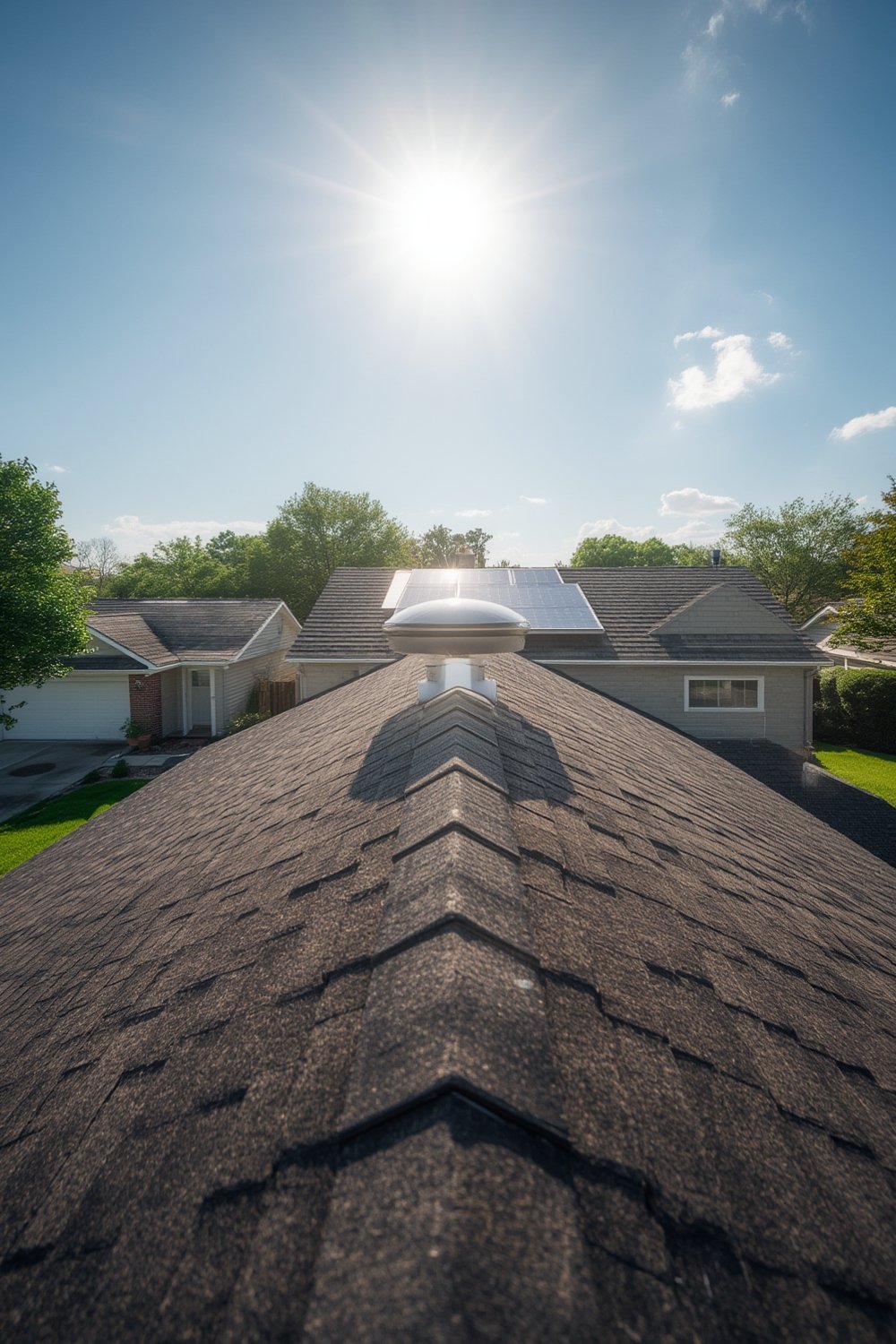
Statistics from the U.S. Department of Energy show that a solar attic fan can reduce your home’s cooling load by up to 10-12% by removing heat at the source. This helps not only with comfort but also with overall household energy use (source).
The majority of solar attic fans are roof-mounted units (55% market share), which maximize heat removal from the hottest part of the roof (source). They’re ideal for single-family homes seeking faster attic cooling.
If you love DIY, a solar attic fan is a practical way to upgrade attic ventilation, reduce cooling costs, and make your home more comfortable year-round. Plus, products are now widely available at popular home improvement stores (see Lowe’s store guide).
How to Install a Solar Attic Fan: Step-by-Step
Follow these practical steps to ensure a successful solar attic fan installation:
- Choose the right fan: Match capacity to attic size and climate. Large fans (>50W) are best for hot, sun-heavy climates, while 20-50W fits most average attics. fan plus grid backup are smart for cloudy regions.
- Pick the best location: Place the fan on the sunniest south- or west-facing section of the roof for maximum exposure. Avoid installing under trees or nearby chimneys that cast shadows.
- Prep your workspace: Gather safety gear, utility knives, a cordless drill, sealant, and roofing materials. Consider leveraging DIY tips from the Ultimate Home Improvement Tools Guide to get the right tools.
- Cut your vent opening: Mark between rafters. Carefully cut through roofing shingles and sheathing per the install template.
- Insert and seal the housing: Slip the base under shingles and secure the housing over the hole. Seal thoroughly with roofing adhesive to prevent leaks.
- Attach the solar panel: Connect and secure the panel so it faces direct sunlight, using the provided mounts/angles.
- Test operation: Expose the fan to sunlight. It should start automatically without wiring to household power.

If you’re not a DIYer, most pros charge $575-$775 for a typical installation, including the fan and labor (see cost breakdown). Larger attics may require two fans, increasing total cost. Permits or roof inspection fees may apply for major modifications.
Solar fans require no wiring—one reason they’re ideal for upgrades, retrofits, or projects where running new electrical lines isn’t possible.
Common Pitfalls, Comparison & What to Expect
Solar attic fans can deliver impressive payback in the right setting, but it’s critical to set expectations and avoid typical missteps:
- Shaded or north-facing roofs: Solar fans perform poorly if shaded by trees, nearby buildings, or placed on less sunny roof sections. Choose open, sunny exposure only.
- Cloudy, mild, or coastal climates: In regions where attics rarely hit high temps, or sunlight is inconsistent, solar fans provide minimal benefit versus cost.
- Competing with existing ventilation: Homes with well-designed passive ventilation may not see dramatic improvements, and adding a fan could disrupt balanced airflow.
- High up-front costs: A single solar attic fan with installation usually costs $300-$750—more than passive vents, but lower than many grid-powered electric fans due to no wiring or extended circuits (see more here).
- Performance limitations: Market data warns that modest savings and lower effectiveness in some climates may not justify the cost for everyone (market report).
- Warranty & lifespan details: While many leading models offer 5-25 year warranties, and roof-mounted units dominate (55% share), there’s limited published data comparing specific models’ cubic feet per minute (CFM), warranty terms, or lifespan. Always check before buying.
| Solar Attic Fan | Electric Attic Fan | Passive Vents |
|---|---|---|
| Upfront: $300-$750 (one unit, installed); no wiring or ongoing electric cost | Upfront: Typically $200-$650 (plus wiring); adds to electric bills | Upfront: Lowest cost; no moving parts, but less effective in hot climates |
| Reduces cooling loads by 10-12% (DOE source) | Cools well but increases electric bill | Relies on natural airflow; may not keep attic cool in peak heat |
| No roof wiring or household electrical needed | Requires professional wiring and attic access | Very easy to install; limited effectiveness |
| Qualifies for federal/state incentives | Usually not eligible for green energy rebates | Ineligible for incentives |
Some leading competitor articles overlook key solar attic fan pitfalls. Three advanced issues you should know:
- Climate & capacity matching: Get the right wattage for your region—large units (>50W) for hot/West U.S., hybrids for unpredictable sunlight (regional growth data).
- Product types & fit: Roof-mount (max cooling), gable-mount models for easy retrofits, and advanced fans with smart sensors or automation.
- Limitations from shade/cloud: Even top solar attic fans throttle down in the shade—understand local roof obstruction and climate before buying.
For homes with extreme attic heat or in need of broader energy upgrades, consider pairing this project with upgrades like attic insulation improvements or combining a solar attic fan with a solar generator system for whole-home backup.

Conclusion & Action Steps
Investing in a solar attic fan is one of the most cost-effective upgrades for improving home comfort and slashing summer cooling bills—if your attic sees significant heat and your roof gets solid sun. For most, the initial cost is offset long-term by lower energy bills and HVAC stress, with added upside if you qualify for state or federal incentives.
If you’re ready to cut attic heat and save energy, research the right unit for your home and check incentive eligibility in your region. Don’t overlook the potential of pairing a solar attic fan with attic insulation or other smart upgrades for even greater results.
Upgrade now and see firsthand how a solar attic fan can help transform the way you cool your home—comfortably, affordably, and with real savings.
Frequently Asked Questions
How much does a solar attic fan typically cost with installation?
Expect to pay $300 to $750 for a single unit including professional installation. Larger homes needing multiple fans may pay $1,500+ in total. DIY installation can cut this cost, as solar fans do not require wiring to your home’s electrical system.
Does a solar attic fan really lower electric bills?
Yes, in most homes with hot attics. U.S. Department of Energy data shows solar attic fans can reduce cooling costs by 10-12% by actively removing attic heat before it affects your living space.
Do solar attic fans work on cloudy days?
Performance will drop in shade or heavy cloud cover. Some “hybrid” models feature grid backup for uninterrupted function, but most fans work best in direct sun. If your roof is shaded or faces north, expect lower output.
Are there rebates or incentives for installing a solar attic fan?
Yes. Most states and the federal government offer energy-efficiency or solar adoption tax credits that can offset your costs. Exact amounts vary, but these incentives help reduce up-front expense and boost long-term ROI.
How do solar attic fans compare to passive or electric attic ventilation?
Solar attic fans usually outperform passive vents for attic heat removal, without adding to energy bills like electric fans. However, upfront cost is higher than passive vents. For a direct comparison, see the table above or check our Ultimate Home Improvement Ideas 2025 guide.