

Basement dehumidifier mold isn’t just a household headache—it’s a health and property risk that demands real solutions. Unchecked humidity in your basement can fuel mold growth, threaten air quality, and wreck your investment. This guide delivers realistic, expert-backed steps for preventing mold using a basement dehumidifier, highlights potential pitfalls, and separates hype from proven methods for protecting your home.
Key Takeaways
- Basement mold prevention relies on keeping humidity below 60%—ideally between 30% and 50%—using dehumidifiers and moisture control.
- EPA and expert sources highlight moisture control as critical, but most guides lack specific, actionable dehumidifier protocols or product guidance.
- Overlooking crawl spaces, poor meter usage, and ignoring leaks or improper drainage are common pitfalls users face in real-world mold prevention efforts.
- Understanding Mold, Moisture, and Dehumidifiers
- How to Prevent Basement Mold with a Dehumidifier: Step-by-Step
- Advanced Analysis & Common Pitfalls
- Conclusion
- Frequently Asked Questions
Understanding Mold, Moisture, and Dehumidifiers
Mold thrives where moisture lingers. Basements are notorious trouble spots due to naturally higher humidity and limited airflow. The key factor in most basement mold cases is humidity. According to the EPA, keeping indoor humidity below 60% (ideally 30–50%) is essential for preventing mold—but most guides, and even EPA resources, lack clear data on what tools actually work, specific dehumidifier guidance, or easy-to-follow usage protocols.
Recent surveys indicate about 64% of homeowners encounter basement moisture issues, yet reliable statistics linking these directly to uncontrolled humidity are lacking (source). However, the scientific consensus is clear: no consistent dehumidification means persistent mold risk (EPA guide).
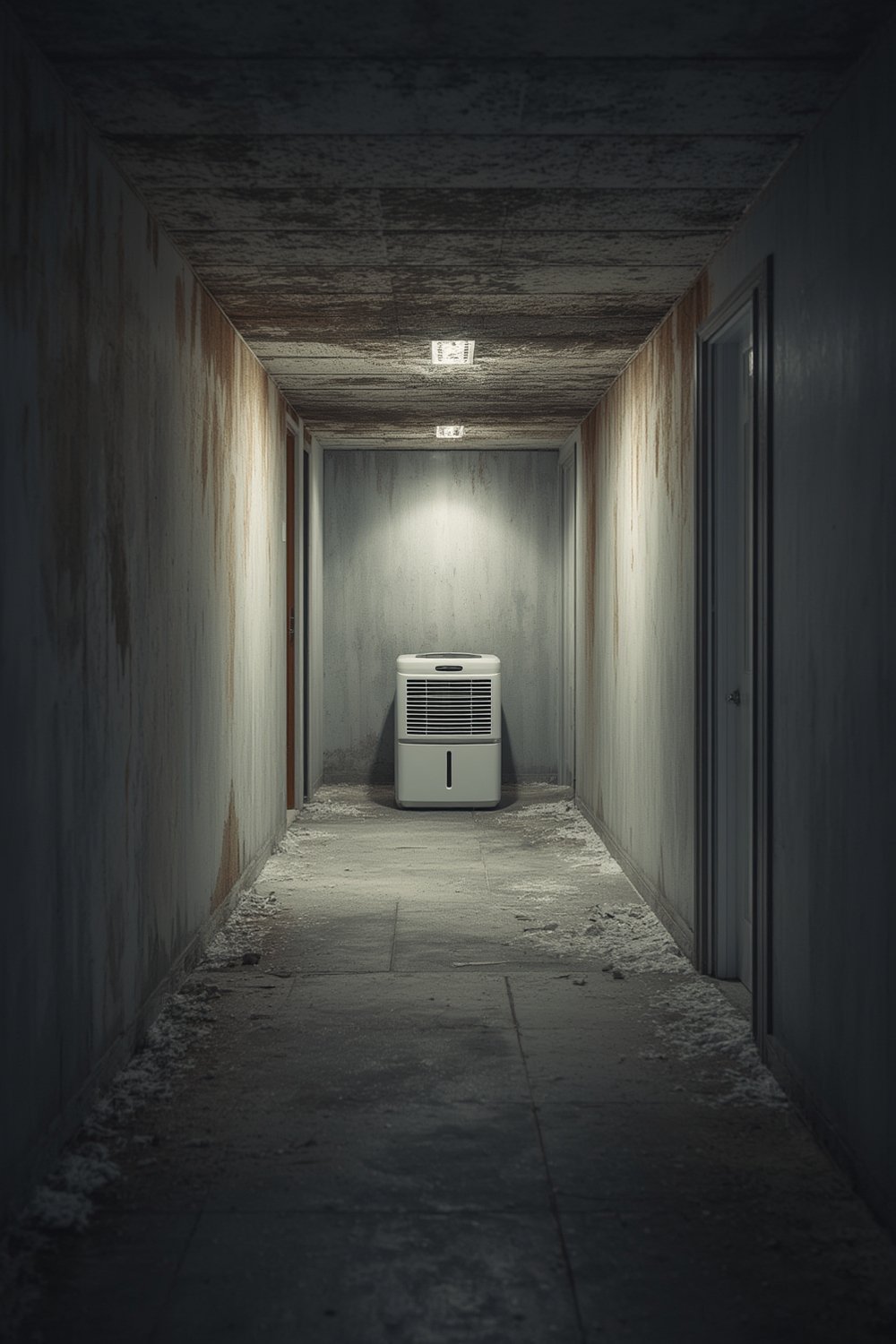
Most experts recommend using a basement dehumidifier, digital humidity meter, and physical inspection to keep moisture in check. But many articles fail to explain the basics—such as optimal placement, drainage options, and how to actually measure effectiveness. This can lead to wasted money, poor results, or even health hazards if mold persists unnoticed.
If you’re also working on home upgrades, learn about essential home improvement tools to tackle repairs and maintenance safely.
How to Prevent Basement Mold with a Dehumidifier: Step-by-Step
Ready for actionable advice? This realistic step-by-step plan combines best practices with advanced tips that most guides overlook. No fluff—just exactly what works, with potential mistakes flagged.
- Assess and Address Obvious Moisture Sources.
Before you plug in any device, fix leaks, seal cracks, and check gutters or downspouts. According to the EPA, this is a core step for lasting mold prevention. - Choose and Place Your Basement Dehumidifier.
Pick a model that matches your basement’s size (check square footage on the box or manual). Opt for one with auto-drain if possible so you aren’t constantly emptying buckets. - Set Humidity Target and Start Dehumidifying.
Aim for a humidity of 30–50%. Use your meter to verify results. Don’t just trust the display—calibrate if necessary. - Continuous Monitoring Is Essential.
Monitor humidity levels at least daily for a few weeks. Check all corners, including behind furniture and inside closets. Mold can hide. - Maintain Your Unit Regularly.
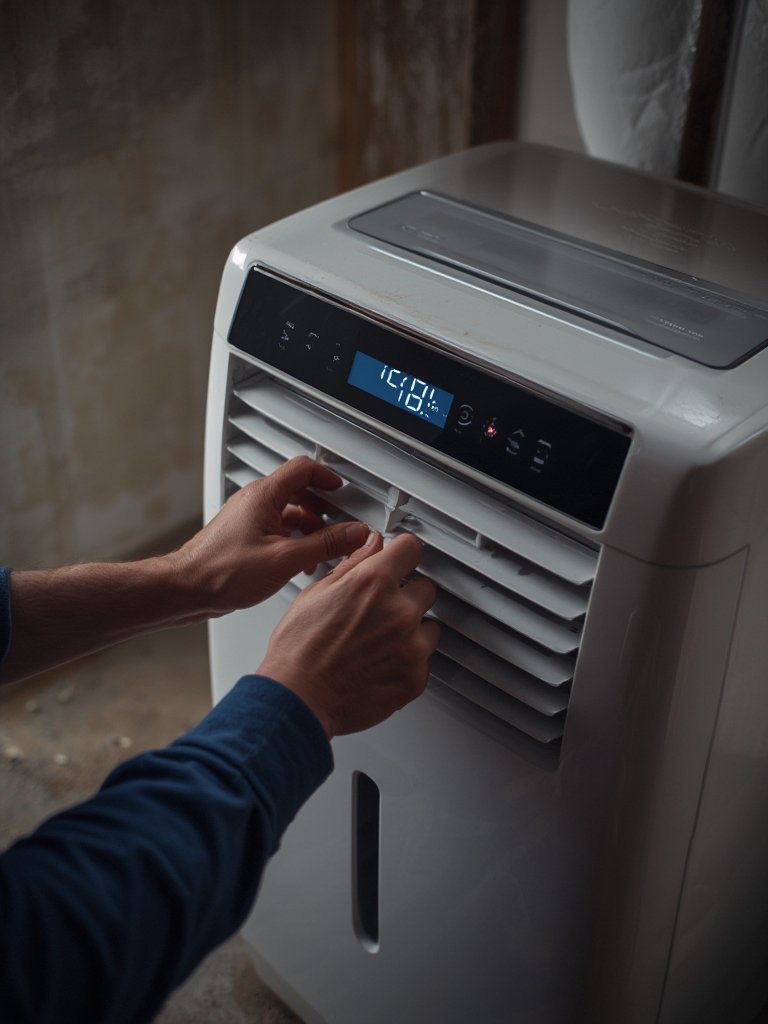
Empty and clean water reservoirs, check for blockages, and change or wash filters. Failing to do this not only reduces efficiency but may blow spores or odors back into your basement. - Supplement with Ventilation Where Possible.
If safe, open windows occasionally, use exhaust fans, or install air movement devices. Try not to disrupt finished surfaces without understanding the moisture implications.
If you need an affordable humidity control upgrade, window insulation film can help minimize outside air leaks. Compare options in our window insulation film guide for extra tips.
If you’re working in a utility area, don’t forget about portable climate solutions for year-round comfort.
Advanced Analysis & Common Pitfalls
Research reveals critical gaps in most basement dehumidifier mold guides. Many don’t include practical advice about crawl spaces, exact unit sizing, monitoring protocols, or failure scenarios. Even top-ranking pages ignore user experience, laboratory effectiveness, and case studies. Here’s a breakdown of key pitfalls—with realistic solutions:
| Pitfall | Cause | Solution |
|---|---|---|
| Ignoring Crawl Spaces | Crawl spaces often account for hidden moisture—most dehumidifier protocols fail to address this zone. | Extend humidity monitoring and device placement to include crawl space areas if accessible. |
| Buying the Wrong Size Dehumidifier | Assuming “bigger is better” or buying a cheap, underpowered device leads to ineffective drying. | Follow manufacturer guides for square footage and moisture levels—or get a pro moisture assessment. |
| Neglecting Filter and Drainage Maintenance | Overflowing water tanks or clogged filters can cause units to fail silently, allowing mold rebounds. | Set calendar reminders for tank emptying, and clean or change filters as scheduled. |
| Misreading Humidity Meters | Inexpensive meters can be unreliable or poorly placed, leading to false readings. | Place meters away from direct airflow and near problem zones—test at multiple points. |
| Incomplete Remediation After Mold Discovery | Cleaning visible mold but failing to fix underlying humidity or leaks guarantees recurrence. | Address water or humidity problems immediately after cleaning; keep close records and follow-up checks for new growth. |
Surveys and case studies warn that homeowners who skip maintenance, ignore warning signs, or use the wrong equipment often see mold return within months (case study). For major remodeling, spending time on planned home upgrades can improve both air quality and value.
Conclusion
The most realistic path to a mold-free basement includes targeted humidity monitoring, correct dehumidifier sizing, regular maintenance, and addressing crawl spaces or hidden zones. While statistics are limited, official guidelines from the EPA and proven home inspection protocols back up these steps. Don’t fall for wishful thinking—consistent effort and practical strategies are your best defense against basement dehumidifier mold.
Take action today: inspect your basement, deploy a humidity meter, and start dehumidifying before small problems turn into costly repairs.
If you’re shopping for tools to help with maintenance, see our ultimate home improvement tools guide for simple but powerful upgrades.
Frequently Asked Questions
Is a dehumidifier enough to prevent all basement mold?
A dehumidifier is a powerful tool, but not always enough. You must also fix leaks, improve drainage, and monitor humidity consistently. If you only address one problem, mold may recur.
What humidity level should I aim for to keep mold out?
Most experts recommend maintaining basement humidity between 30% and 50%. Anything over 60% significantly increases risk, according to EPA guidelines.
How do I choose the right dehumidifier size for my basement?
Calculate your square footage and assess the severity of moisture. Most units list maximum coverage—err on the side of a slightly larger capacity if unsure, and check manufacturer charts for guidance.
Can I use one dehumidifier for both the basement and crawl space?
Usually no, because airflow and obstructions prevent even coverage. It’s often better to use separate units or supplementary devices if issues appear in both areas.
How often should I clean or maintain my dehumidifier?
Empty water tanks and check filters weekly, especially during peak humidity. Full maintenance, such as deep cleaning and filter replacement, should be done monthly or per manufacturer recommendations.