

Electric tankless water heater upgrades are booming among homeowners looking to cut utility bills and save space, but do they actually deliver on efficiency and cost? Here’s what you need to know before making the switch—without the hype.
Key Takeaways
- Electric tankless water heaters offer up to 40% energy savings for low-use households, but may require costly electrical upgrades.
- The up-front investment is higher than traditional tanks, with real-world payback depending on family size and usage habits.
- Performance can suffer in homes with high hot water demand or outdated electrical systems—planning and sizing are critical.
- Understanding Electric Tankless Water Heaters
- How to Install and Run an Electric Tankless Water Heater
- Advanced Analysis & Common Pitfalls
- Conclusion
- Frequently Asked Questions
Understanding Electric Tankless Water Heaters
An electric tankless water heater provides hot water only when you need it. Unlike bulky tank heaters that constantly heat stored water, tankless models use high-powered electric elements to instantly warm water as it passes through. This means no standby energy loss and a much smaller footprint—freeing up valuable space in your utility area.
They’re especially well-suited to smaller, energy-conscious homes, and are increasingly popular in homes transitioning to all-electric appliances, much like induction cooktops (learn more about induction cooktop retrofits here).
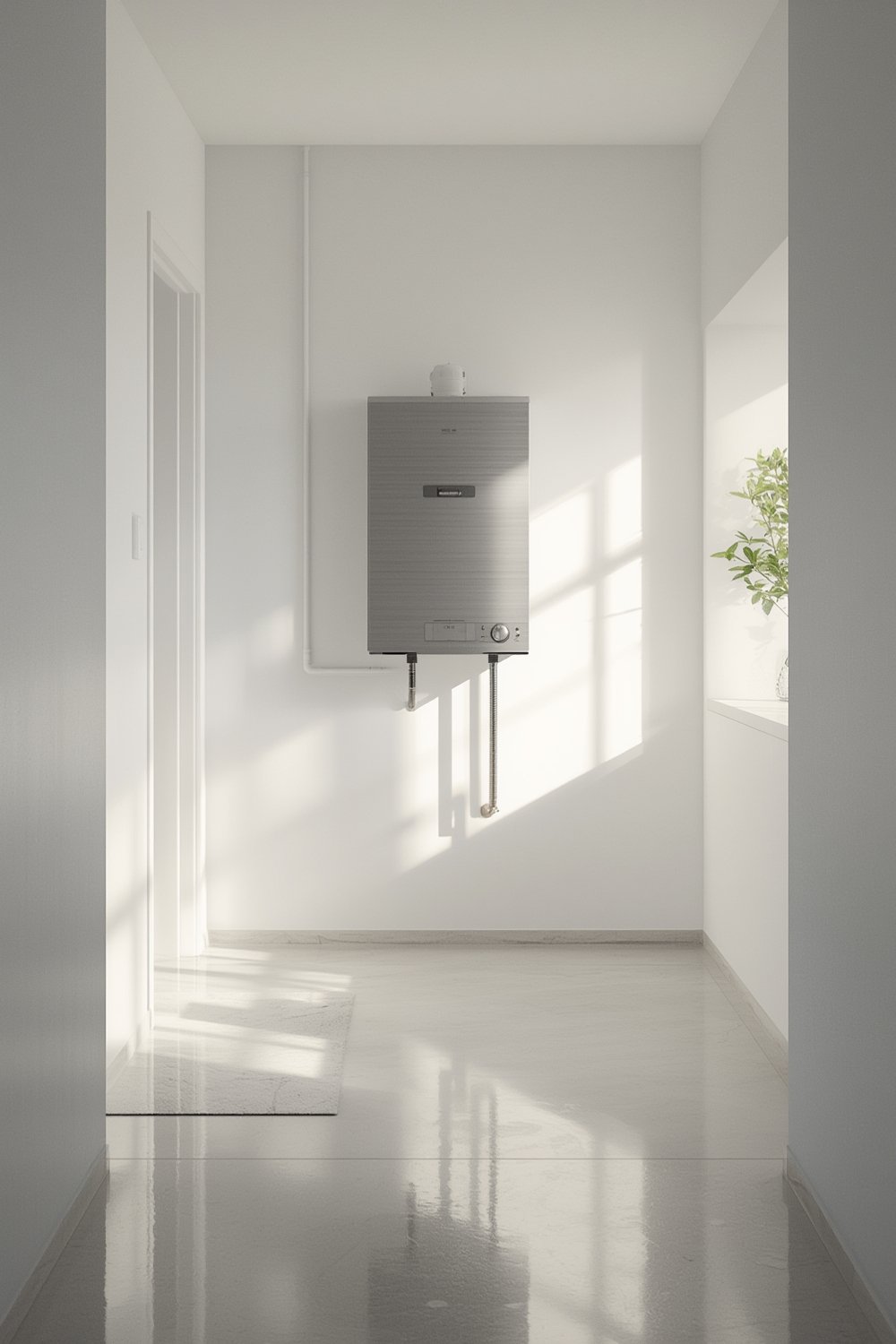
In 2024, modern electric tankless water heaters reach 95–98% efficiency (source). For homes using less than 41 gallons of hot water daily, this means 24–34% better energy performance versus old-school tanks. For larger families or heavy hot water users, the benefit drops, but still competes well—especially compared to gas or oil systems that have been targeted by recent DOE efficiency standards (see 2024 DOE details).
Tankless water heaters aren’t a magic solution for every home. They instantly pull a large amount of electricity—anywhere from 18 to 36 kilowatts—so your electrical panel must be ready for it. The high up-front cost can be a hurdle, especially including potential permits and electrical upgrades. However, with the right planning and installer, you can maximize efficiency gains and slash your hot water bill by up to $59/month in real cases (source).
How to Install and Run an Electric Tankless Water Heater
Switching from a tank to a tankless water heater is a multi-step process that must account for your household’s unique hot water demand, plus the limits of your home’s wiring. Here’s a realistic overview of the critical steps—avoid cutting corners to prevent headaches later.
1. Sizing and Planning
Estimate your peak hot water usage. For example, a family of four may require a 24–28 kW system to run two showers and a dishwasher at once. Verify the desired flow rate (2–5 GPM for most electric models).
Check your climate—colder incoming water will require a more powerful unit for the same flow rate.
2. Electrical System Audit
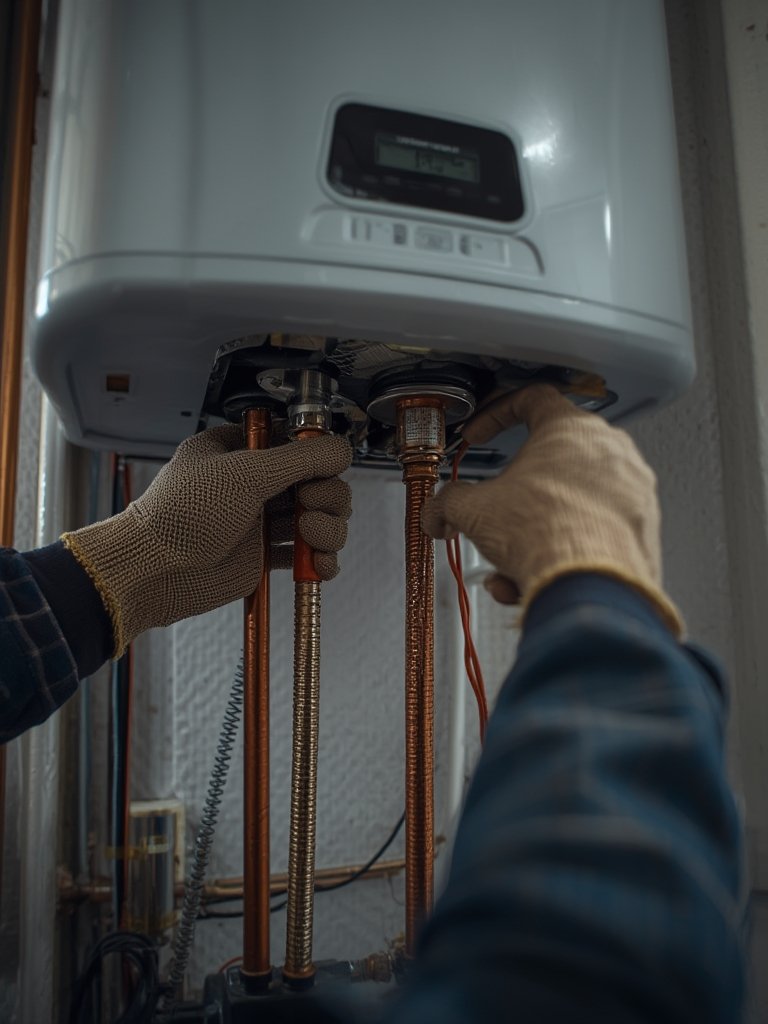
Engage a licensed electrician to review your panel and main service. Tankless units require 100–150 amps on a dedicated circuit—this often means a panel upgrade (in many homes built before 2000).
3. Permits and Installation
Always secure permits according to local code. Professional installation is a must—the warranty could be void without it. The device is then mounted on the wall, connected to cold and hot water lines, and hardwired using large-gauge cabling.
If additional service or a panel upgrade is required, budget $500–$2,500 for electrical work alone.
4. Startup and Settings
Once installed, configure your desired temperature and run a test on multiple outlets. Check for consistent flow and ensure breakers trip as intended under heavy load. Insulate hot water lines to maintain temperature and improve efficiency.
5. Maintenance
Flush the heat exchanger every year, especially in hard water areas, to avoid mineral buildup which can reduce efficiency by 10% or more over time.
6. Cost Breakdown
Expect to pay $1,400–$5,600 for complete install, more if heavy rewiring is needed. Ongoing energy costs for a family of four range from $4.25–$8.50 per month based on national averages (source).
For project guidance, a range of smart home improvement tools can make the work faster (see which tools are worth investing in).
Advanced Analysis & Common Pitfalls
Reality check: electric tankless water heaters aren’t the perfect fit for everyone. Here’s what most buyers overlook or discover too late—and what the numbers and case studies reveal.
| Aspect | Electric Tankless | Traditional Tank |
|---|---|---|
| Energy Efficiency | 95%–98% (new units) 80%–90% (older units with buildup) |
65%–70% |
| Monthly Usage (Family of 4) | 25–40 kWh ($4.25–$8.50/mo) | 380 kWh ($64–$70/mo) |
| Upfront Cost | $1,400–$5,600 (with install and upgrades) | $800–$1,600 (typical install) |
| Lifespan | 20–25 years | 10–15 years |
| Hot Water Capacity | 2–5 GPM flow (instantaneous) | Varies, but limited by stored volume |
| Space Requirement | Wall-mounted, compact | 3’x3′ or larger floor space |
| Simultaneous Use | Can drop if demand exceeds unit’s kW or GPM rating; may require usage scheduling | Draws from stored supply; recovery slow after tank is emptied |
| Maintenance | Annual descaling/flush necessary | Annual, plus occasional tank cleaning |
Common Pitfalls
- Electrical Panel Surprises: Many U.S. homes need a full service upgrade to run electric tankless heaters. This can cost more than the heater itself. If going all-electric, consider a smart breaker panel upgrade to future-proof your system.
- Underestimating Usage Needs: Oversized families or multiple appliance cycles at once may overload your system—leading to cold showers. For high demand, stagger hot water use or consider point-of-use models (portable heat pump water heaters are another option).
- Mineral Buildup: Hard water areas speed up limescale in the heating chamber, causing efficiency loss and eventual failure—plan for yearly maintenance or a water softener.
- Utility Rate Surprises: Some utilities charge higher rates for peak electricity draws or add demand charges. Run the numbers for your locale using data from local providers.
- Permit and Inspection Delays: Unlike tank replacements, tankless installs often require extra inspection steps and coordination with city inspectors.
- False ROI Expectations: Savings are only fully realized in moderate-usage households or with further efficiency upgrades (like insulating your garage gym—see insulation strategies).
For further analysis on energy home upgrades and project ROI, see our home improvement ideas guide.
Conclusion
Making the leap to an electric tankless water heater can cut your energy consumption, free up space, and provide decades of on-demand comfort—if your electrical panel is up to par, and if your household’s usage matches the system’s sweet spot for efficiency. Factor in all costs, from installation to maintenance, and weigh your real-world needs against published efficiency claims.
Ready to start your research or want a DIY edge? Explore our complete home improvement tools guide to prepare for your next project. If you have more questions about electric tankless water heaters or want advice specific to your home, comment below or reach out to a local licensed electrician for a detailed panel audit. Don’t let hidden technical or installation hurdles surprise you—plan ahead and maximize your investment in an electric tankless water heater today.
Frequently Asked Questions
How much can I really save with an electric tankless water heater?
Savings depend on your household’s water usage and local energy rates. For low to moderate usage (under 41 gallons/day), you may see up to 40% energy savings compared to a traditional tank—equaling $50–$60 per month for some families (source).
Will my current electrical panel support an electric tankless system?
Many homes require a panel upgrade, as tankless units typically need 100–150 amps on a dedicated breaker. Always have an electrician review your service before purchase.
What happens if I use hot water in multiple places at once?
If total demand exceeds your unit’s rated kW output or maximum flow rate (2–5 GPM), water temperature will drop or flow will slow. For large homes, consider staggering appliance and shower use or installing multiple point-of-use units.
How often does an electric tankless water heater need maintenance?
Annual descaling or flushing is recommended, especially in hard water regions, to prevent mineral buildup and preserve efficiency. Neglecting this can lower performance significantly after several years.
How does the cost of installing an electric tankless water heater compare to a traditional tank system?
Tankless systems cost $1,400–$5,600 installed, mainly due to electrical upgrades. A traditional tank system usually costs $800–$1,600. However, tankless heaters may last 20–25 years, doubling the standard tank’s lifespan.