

### Blog Post:
EV charger home installation has become a key upgrade for homeowners with electric vehicles, but the real costs, pitfalls, and technical challenges often go far beyond what brochures and quick guides suggest. If you want to install an EV charger at home, here’s exactly what you need to know — before you commit time and money.
Key Takeaways
- Home EV charger installation costs in 2024 average $2,442 but can range from $800 to over $4,000, with regional and technical factors impacting your price.
- Permitting, electrical panel upgrades, wiring distance, and hidden local fees can quickly increase both cost and complexity.
- Real user complaints center on surprise labor costs, panel upgrade shocks, and timeline delays rather than the equipment itself.
- 1. What Is Home EV Charger Installation and Why Does It Matter?
- 2. Step-by-Step Home EV Charger Installation Guide
- 3. Advanced Analysis & Common Pitfalls
- 4. Conclusion
- 5. Frequently Asked Questions
What Is Home EV Charger Installation and Why Does It Matter?
Home EV charger installation is the process of setting up a dedicated charging solution for your electric vehicle at your residence. This usually involves installing a Level 2 charger, which requires a 240V power source and dedicated wiring, giving you faster, safer charging than a basic wall outlet. Why does this matter? Having a reliable, code-compliant charger at home means full daily EV range, lower “fuel” costs, and added convenience compared to public charging.
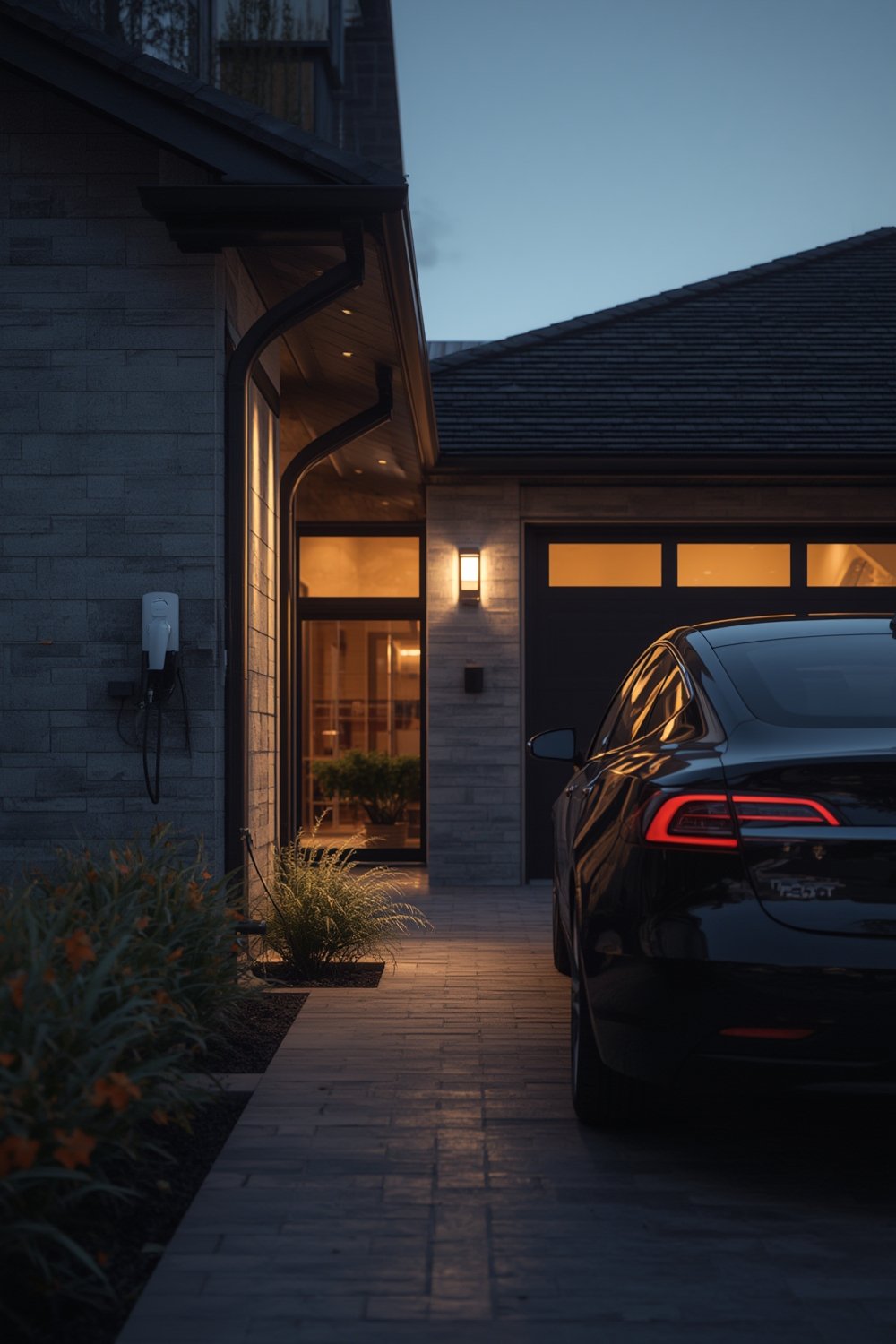
With EV adoption rising, more homeowners face tough decisions: What will installation actually cost in your area? Are your electrical systems compatible? Will installation affect your property value or insurance? Unlike quick YouTube guides, this article gives you a realistic breakdown using recent national data and expert insight.
Step-by-Step Home EV Charger Installation Guide
-
Assess Your Electrical System
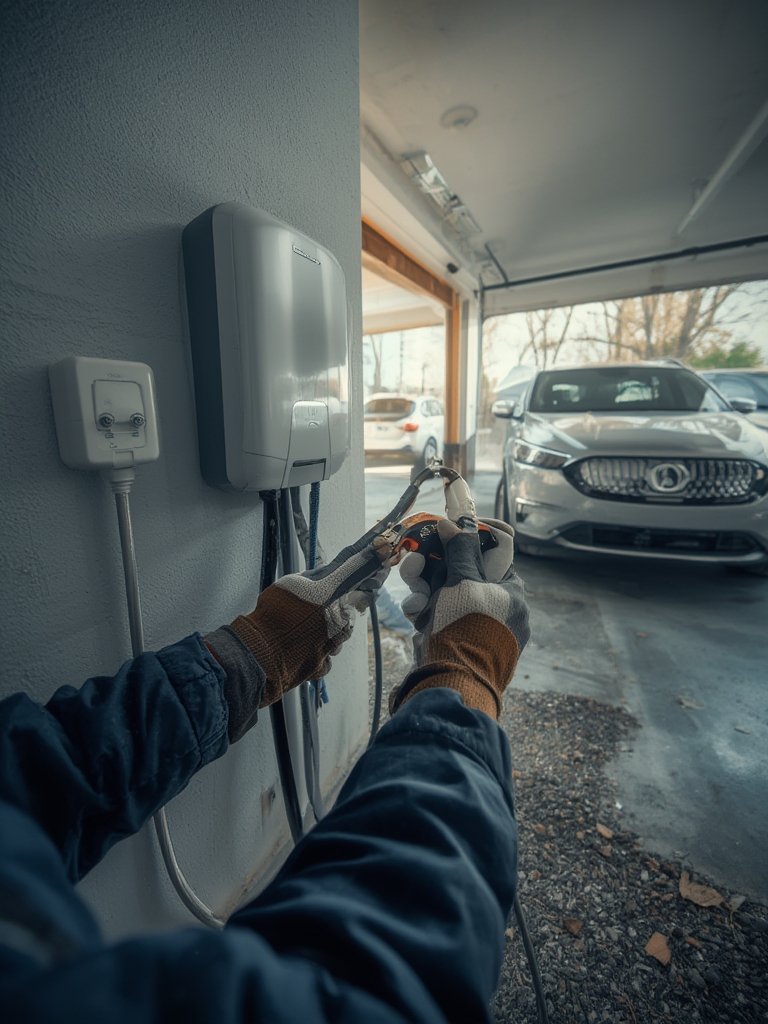
Before purchasing a charger, check your home’s main service panel capacity. Most Level 2 chargers need a 240V, 32-50 amp dedicated circuit with enough spare panel capacity. Older homes (pre-2000) may require upgrades. -
Get Several Licensed Electrician Quotes
Prices vary wildly based on distance from panel to installation point, local code requirements, and labor. Get at least three licensed local quotes detailing every cost, especially for potential panel upgrade or trenching work. -
Apply for Permits
Most municipalities require permits for Level 2 EV chargers. This process often requires plan submission and may involve fees (average $297; can be $45 to $720). -
Choose and Purchase the Right Charger
Select a charger compatible with your vehicle and electrical system. If you have plans to upgrade your vehicle or add another EV soon, consider higher-capacity smart chargers. -
Schedule Installation
Work with your electrician to plan installation, accounting for labor schedules, permit approval, and required inspections. -
Complete Final Inspection
In most states, you must pass a city/county inspection before using the charger.
Want more ways to optimize your home projects? Check our Ultimate Home Improvement Tools Guide for Every DIY Project for essential equipment every EV-owning home should have on hand.
Advanced Analysis & Common Pitfalls
EV charger home installation is rarely as simple as mounting a box and plugging in. Recent cost data and homeowner experiences reveal key pitfalls you should expect. Here’s a breakdown of major issues, including regional cost variances, technical hurdles, and gaps in current industry advice.
Hidden Costs & Regional Price Gaps
| Region / Factor | Level 1 Install Avg. | Level 2 Install Avg. | Permitting & Fees | Panel Upgrade |
|---|---|---|---|---|
| National Avg. (US) | $300-$964 | $1,700-$2,442 | $45-$720 | $1,000-$4,000+ |
| California (Bay Area) | $350-$1,000 | $2,200-$3,500 | $100-$400 | Often needed on older homes |
| San Diego, CA | $350-$750 | $495+ (simple case) | Waived in some cities | Case-by-case |
| Mississippi | N/A | $3,680 | High | Likely on older supply |
(Based on 2024-2025 EnergySage and Qmerit data.)
Technical Barriers & Installation Surprises
- Many older panels (especially pre-2000) cannot safely support new 40A circuits; upgrades raise your bill by $1,000–$4,000+ and require extra time.
- Long cable runs (for installs far from electrical panel) can double wiring costs compared to “next to panel” installs.
- Urban and rural regions can both see higher labor costs, urban due to demand and cost of living, rural due to electrician scarcity and travel charges.
Permitting and Inspection Delays
- Permit requirements and fees vary wildly; California imposes extra compliance rules under Title 24, adding costs for energy monitoring equipment and weatherproofing.
- Some California cities (like Palo Alto and Santa Monica) now waive permit fees or offer rebates ($500–$750), but homeowners still pay for labor and any needed upgrades.
- Inspections can be fast in large metros (same week) or take up to several weeks in less populated regions or during peak seasons.
Missing Data: Homeowner Reviews, Timelines, and Value Impact
- No major source shares recent user complaints or detailed electrician reviews for the install process; the main frustration cited is unexpected upgrade costs.
- No current research quantifies how much a home EV charger affects property value or insurance — though most agree it’s likely positive, especially in EV-heavy regions.
- Full breakdowns of timeline duration (consultation to inspection approval) are notably absent in top competitor guides.
For other large home electrical upgrades that might impact your install, check our guide to whole house surge protector installation — a common parallel upgrade when adding an EV charger.
If you plan to DIY any part of the install or prep work, our Ultimate Home Improvement Ideas 2025 has smart-home upgrades and energy tips for more savings.
Interested in alternative energy backup? Read about solar generator home backup options — increasingly popular for EV owners concerned about reliability.
Conclusion
Proper EV charger home installation is about more than just plugging in; it means understanding your electrical system, budgeting for panel or wiring hiccups, and planning for permits and inspections. Expect installation to cost between $800 and $4,000+ depending on your home’s age, location, and other upgrades. Do your homework, get multiple quotes, and don’t underestimate the value of good electricians and local code knowledge. If you want your EV charger home installation to add value and last, plan ahead and verify all details before hiring out the work.
Ready to get started? Gather your quotes and electrical specs today. For more detailed guidance on other home installations and smart tools, check our Home Improvement Near Me: Your Complete Lowe’s Store Guide and discover trusted local resources.
Frequently Asked Questions
How much does a typical Level 2 home EV charger installation cost in 2024?
The 2024 US average ranges from $1,700 to $2,442 for Level 2 installs, but prices can climb to $3,500 or higher in some states, especially where panel upgrades are needed. Always get a personalized quote for your home.
Is a permit required to install an EV charger at home?
Yes, most municipalities require a permit for Level 2 charger installations to ensure code compliance and safety. Permit fees range from $45 to $720 depending on your location.
Will I need to upgrade my electrical panel?
If your panel is below 100 amps or fully loaded, a panel upgrade may be necessary. This adds $1,000–$4,000+ to your costs. Newer homes with ample capacity can often avoid this step.
Does installing an EV charger raise my homeowner insurance or property value?
No concrete data exists for 2024, but local agents and realtors suggest a charger can boost convenience value in EV-friendly areas. Most insurance companies have not adjusted premiums specifically for home chargers.
How long does it take to fully install a home EV charger?
It depends on electrician scheduling, permitting, and inspections. Simple installs can take one day after permit approval, but more complex upgrades or wait times for inspections can stretch the process to several weeks.