

Home battery storage is transforming how homeowners control their power use, reduce utility bills, and keep the lights on during outages. But before you invest, it pays to know the facts—potential cost savings, installation hurdles, and maintenance traps included.
Key Takeaways
- Home battery storage gives homeowners more control over energy use and backup power—but there’s more to consider than just price.
- Incentives and tax credits can lower costs, but choosing the right system and installer is critical for safety and long-term value.
- Practical sizing, understanding warranties, and maintenance demands are essential to maximize benefits and avoid common headaches.
- What Is Home Battery Storage and Why Does It Matter?
- Step-by-Step: Choosing and Installing Home Battery Storage
- Advanced Analysis: Pitfalls, Problems & What Nobody Tells You
- Conclusion
- Frequently Asked Questions
What Is Home Battery Storage and Why Does It Matter?
Home battery storage refers to a system that stores electricity—often from rooftop solar panels or the grid—for use later. These systems give households backup power during outages and flexible ways to cut peak-hour utility costs or go off-grid entirely. The basics: batteries (usually lithium-ion) are connected to your electrical panel and, if you have them, to solar panels.
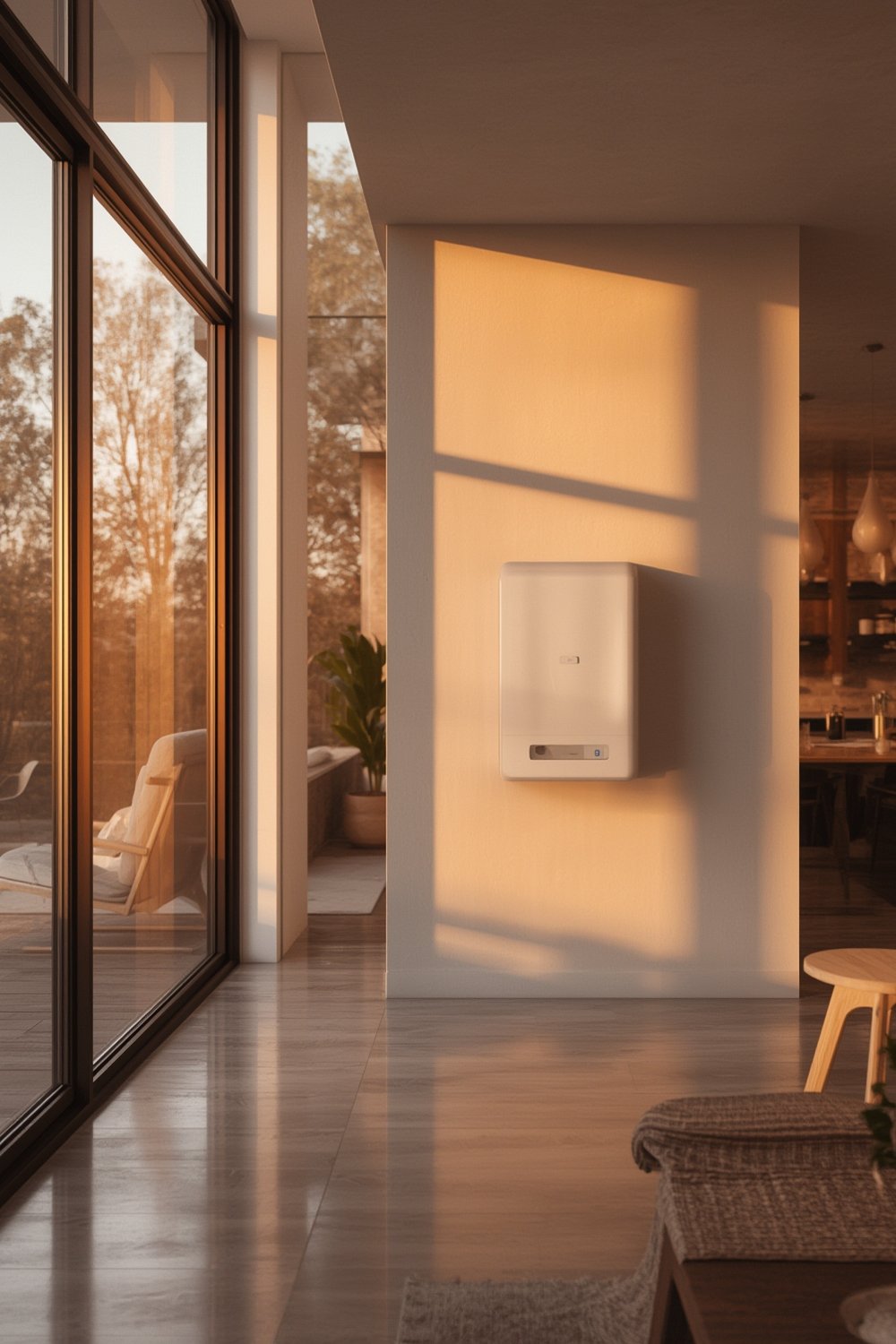
Why now? The market for home battery storage is booming. In Q3 2025, US residential installations hit 647 MW—a 70 percent year-over-year jump and the highest growth streak to date (source). With more power outages, variable electricity rates, and shifts towards renewable energy, battery systems are less high-tech fantasy and more mainstream reality.
But “mainstream” doesn’t mean “simple.” Success depends on understanding costs, incentives, battery sizing, and how to avoid unexpected issues down the line.
Step-by-Step: Choosing and Installing Home Battery Storage
Adopting home battery storage is a big decision, but it can be manageable if you take it step by step. Here is a process any homeowner can follow to reduce risk, optimize value, and tailor the system to real needs—not marketing hype.
1. Analyze Your Energy Profile
Start by logging your average daily consumption in kilowatt-hours (kWh) from your utility bill. Identify your critical appliances (fridge, lights, Wi-Fi, key plugs) for backup power needs, which almost always require less energy than your whole house.
2. Investigate Battery System Types
Most residential battery storage systems offer between 5–15 kWh usable storage. For an average home, a 5 kW/12.5 kWh system covers basic backup for a few hours (source). More storage means higher costs, so size your system to cover essentials, not your whole house, unless you’re aiming for energy independence.
3. Compare Installation Models
In 2025, 57 percent of home systems were third-party owned—think leases, power purchase agreements, or monthly “battery as a service” (source). These can cut upfront costs, but review contract terms, removal fees, and performance guarantees. Direct purchase still makes sense if you want to maximize incentives or resale value.
4. Understand Costs and Incentives
Total installed prices can vary widely, but incentives can tip the balance. The Section 25D federal tax credit is significant, but check if it’s still active when you buy. The One Big Beautiful Bill Act extends credits for battery storage through 2034 (source). Local rebates, utility programs, and even some solar incentives may apply to battery-only systems. Always get a written incentive estimate before signing a contract.
5. Vet Installers and Equipment
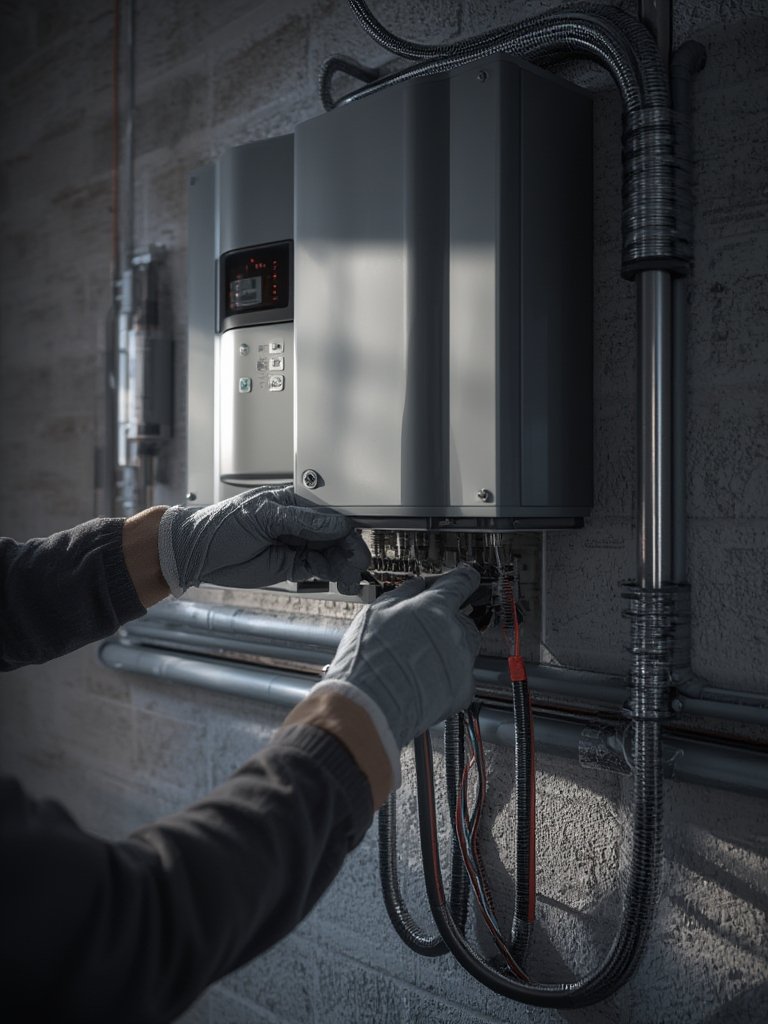
Don’t pick the first company you find online. Ask about electrical licenses, battery certifications, years in business, and actual customer references. Use guides like the Ultimate Home Improvement Tools Guide to check what safety tools technicians should bring—proper protection equals fewer mistakes and better installs.
6. Plan for Maintenance and Monitoring
Ask about system monitoring apps, warranty terms, and scheduled maintenance needs. Some batteries have 10-year warranties but only cover limited cycle counts or capacity fade. Compare this to your expected power use and ask what happens if a battery deteriorates faster than promised.
7. Prepare for Integration and Future Upgrades
If you have solar, verify seamless integration—especially for backup power or critical load panels. If you don’t, the right battery system can still exploit rate arbitrage or serve as emergency backup. Consider pairing with smart devices like a smart breaker panel for automated control.
For more on backup solutions, check the solar generator home backup guide.
Advanced Analysis: Pitfalls, Problems & What Nobody Tells You
Home battery storage promises resilience and savings, but users often face unforeseen problems. Being realistic about these pitfalls helps you make an informed decision.
| Potential Pitfall | What to Watch | Actionable Solution |
|---|---|---|
| System Oversizing | Oversold system leads to high cost and unused capacity. | Size for essentials; add modules later if needed. |
| Incentive Deadlines Missed | Federal or state rebates expire before install. | Get confirmation of eligibility before signing. |
| Poor Integration | Incompatibility with solar, circuits, or backup panels. | Hire experienced, certified installer—ask for references. |
| Warranty Gaps | Warranties may have strict limits on cycles and coverage. | Read fine print. Get all coverage in writing. |
| Underestimated Lifetime Costs | Maintenance, monitoring, and capacity fade not factored. | Request a full 10-year total cost breakdown. |
Another practical hiccup: managing grid disruptions, outages, or even utility policy changes. For deeper resilience, pair battery storage with weather-specific upgrades like whole house surge protectors or ensure good attic insulation to keep essentials running longer in an outage.

Conclusion
Home battery storage isn’t one size fits all. Choosing the right system means reviewing your energy needs, timing purchases to capture incentives, and confirming that both your installer and equipment measure up. With energy outages rising and electric rates fluctuating, the rewards are significant—but only if you proceed with care. Evaluate, ask questions, and make certain that home battery storage matches your goals, your house, and your budget.
Want more actionable home solutions? Explore our Ultimate Home Improvement Ideas 2025 or Lowe’s Home Improvement guide. Ready for home battery storage? Start comparing options today and get your questions answered by trusted professionals.
Frequently Asked Questions
How big of a home battery do I really need?
Most homes can run critical devices on 5-12.5 kWh of storage for several hours. Start by listing essentials—fridge, lights, wi-fi, key outlets—and calculate backup time you want. Oversizing increases the cost without real benefit for most users.
Does home battery storage work without solar panels?
Yes. Home batteries can be charged from the grid, especially if your utility offers time-of-use rates. You don’t need solar to benefit from backup power or peak bill savings—though pairing both can improve resilience and savings.
What incentives are available for home battery storage?
Federal tax credits like Section 25D and the One Big Beautiful Bill Act cover eligible battery systems through 2034, depending on when you install. Some state/local utility rebates are also available. Always verify current incentives before you commit.
What kind of maintenance will I need to do on my battery system?
Periodic firmware updates, visual checks for damage, and professional inspections as outlined in your warranty. Many systems offer remote monitoring. Longevity depends on usage cycles and temperature control—ask your installer for a maintenance plan upfront.
What are the top hidden costs or issues most buyers overlook?
Unplanned expenses can include required panel upgrades, permits, extra electrical work, and higher insurance. Investigate all “fine print” fees and insist on a detailed cost breakdown before signing any agreement.