

Home fire sprinkler retrofit solutions can dramatically improve your family’s safety, but navigating costs, building disruption, and ongoing risks is essential before you start. Know what to expect—and what most articles don’t cover—before tearing open your walls for sprinklers.
Key Takeaways
- Retrofitting fire sprinklers costs from $2 to $7 per square foot and can become complex or expensive in older or multifamily homes.
- Leaks and water damage from retrofits are more common than fires—maintenance and hidden insurance costs add up.
- Local codes, aging piping, and installation disruption mean expert planning is critical for success and cost control.
- Understanding Home Fire Sprinkler Retrofit: What and Why
- How to Plan and Install a Home Fire Sprinkler Retrofit (Step by Step)
- Pitfalls, Real-World Problems, and Smart Solutions
- Conclusion & Next Steps
- Frequently Asked Questions
Understanding Home Fire Sprinkler Retrofit: What and Why
A home fire sprinkler retrofit means installing a modern fire suppression system in an existing house—rather than during new construction. Retrofitting isn’t just for safety: it can influence insurance, resale value, and peace of mind.

Costs for retrofitting vary, typically ranging from $2 to $7 per square foot. The total depends on your region, whether your home is single-family or multifamily, how easy it is to access ceilings and walls for new piping, water supply, and whether the house has older plumbing. In areas hit by wildfire and in older single-family homes with poor water access, costs rise sharply and retrofits may not make sense at all.
Beyond upfront expenses, retrofits usually include temporary damage to walls or ceilings, detailed code compliance (most areas use the NFPA 13D standard, with stricter local rules common in cities or fire-prone regions), and the difficult decision of which piping and sprinkler technologies will last without ugly corners or constant leaks.
These are not projects for DIYers. Licensed experts are required, and you will often need city permits, design reviews, and close communication with your local fire department, especially during home renovations.
Looking into other major upgrades? Our Home Improvement Tools Guide can help you prep for the disruption and scope of larger projects in your house.
How to Plan and Install a Home Fire Sprinkler Retrofit (Step by Step)
- Assess code requirements. Start by confirming if NFPA 13D or stricter city-specific codes apply to your property. In wildfire risk zones, contact the building department for extra requirements—including water supply and generator backup demands. Check if planned renovations require a retrofit.
- Book a professional site survey. Hire a licensed fire protection contractor for an on-site evaluation. They’ll spot structural barriers, review water pressure, and identify access points—or hidden headaches like asbestos, outdated wiring, or ceiling obstructions.
- Get itemized estimates. Request detailed quotes breaking down labor, material, wall/ceiling repair, permits, and ongoing maintenance plans. Clarify whether you’ll need major access holes or can use flexible tubing and closet runs to minimize invasiveness.
Compare pipe materials: Steel lasts longer but adds cost and work, while CPVC or polybutylene age faster, increasing risk of leaks down the road. - Schedule strategic installation. Time the project around your family’s schedule. For multifamily buildings, work with neighbors, property management, and consider phased or stack-by-stack scheduling to reduce downtime and disruption.
- Prepare for repairs and cleanup. Wall and ceiling access is usually required. Budget for drywall and paint restoration.
After installation, arrange code inspections and final sign-off. - Create a long-term service plan. Set up quarterly and annual inspections. Prioritize early leak detection and pipe monitoring to avoid expensive water damage.
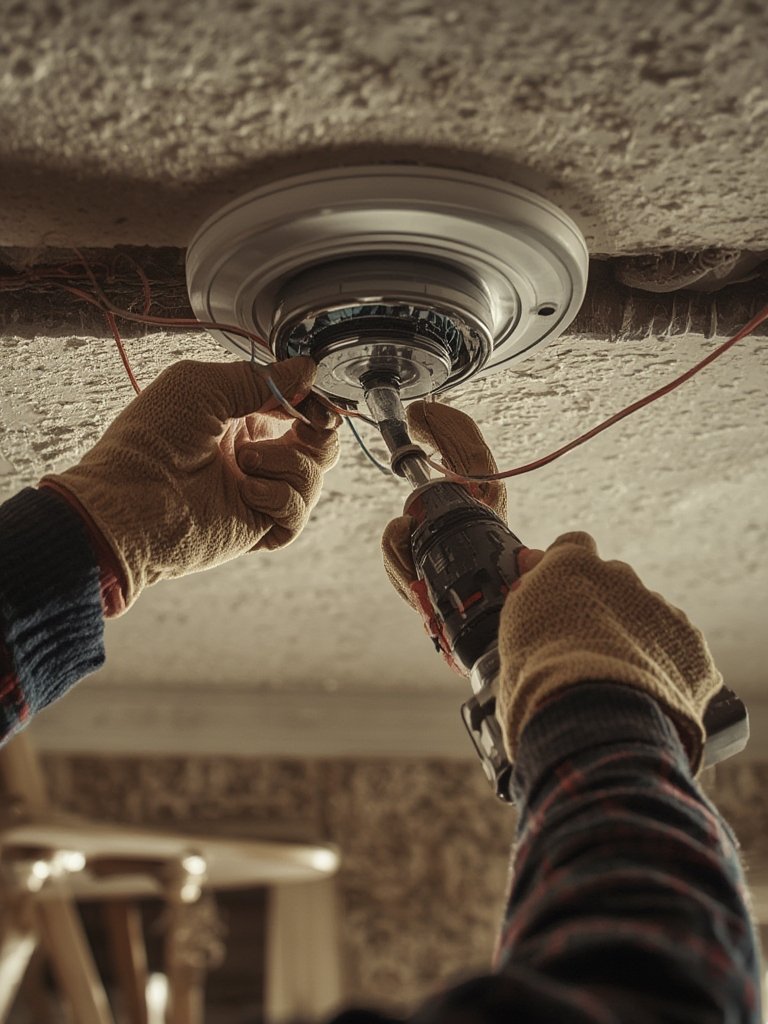
Don’t forget: Modern systems can be designed with smart leak detection features to help catch leaks before they cause major water damage.
Need advice on minimizing noise or living disruption during major home projects? See tips in our soundproofing guide if you work from home or have kids.
If your project will overlap with kitchen or utility upgrades, reviewing guides like induction cooktop retrofits or heat pump water heater installs can help you bundle contractor visits and keep downtime short.
Pitfalls, Real-World Problems, and Smart Solutions
Many homeowners are surprised by the “hidden” challenges of a home fire sprinkler retrofit—issues most top-ranking articles fail to mention.
| Challenge | Risk | Smart Solution |
|---|---|---|
| Leaks & Water Damage | Leaks happen more often than fires, potentially causing severe property damage, costly repairs, and higher insurance premiums (source). | Invest in steel piping for longevity, regular inspections, and install smart leak detection to catch issues early. |
| Structural Disruption | Wall and ceiling cuts for pipes, patchwork repairs, and coordinated downtime create noise and hassle (source). | Use flexible tubing, closet runs, and phased work schedules to minimize invasiveness—document all pre-existing finishes as insurance proof. |
| Aging Piping Materials | CPVC and polybutylene deteriorate after 30-50 years, leading to corrosion and system failure (source). | Consider steel or modern alternatives—accept higher upfront costs to avoid frequent leaks and future replacements. |
| Local Code Complexity | Requirements (NFPA 13D plus local rules) may add permit, design, and inspection hurdles, especially in wildfire zones (source). | Work with contractors who know your local AHJ’s process—budget extra for code-driven design changes. |
| Wildfire Limitations | Systems fail if wind, water supply, or power (generators) go out in extreme wildfires (source). | Do not rely solely on sprinklers—integrate exterior hardening and solar backup generators for true resilience. |
| Long-Term Maintenance Costs | Annual and quarterly checks plus repairs may cost more over 30 years than initial installation (source). | Demand clear maintenance contracts and budget for long-term expenses up front. |
Insurance and policy uncertainties are often ignored, but your premium could increase from water damage—sometimes exceeding any fire safety discount. Always call your insurer and document new systems for both savings and protection.
If you’re planning broader upgrades, our new home improvement ideas guide will help you sequence projects for less overall hassle.

Conclusion & Next Steps
A home fire sprinkler retrofit can be life-saving but is rarely straightforward. Upfront costs are significant, and maintenance or insurance surprises are real risks. Always compare multiple quotes, prioritize reliable materials, and factor in local codes and long-term service. Ultimately, treat a home fire sprinkler retrofit as a major investment—worth it when expertly planned, but risky and expensive to shortcut.
Ready to tackle your retrofit or want to bundle it with other upgrades? Download our free checklist (below) and consult licensed pros—don’t go it alone.
Frequently Asked Questions
How much does a home fire sprinkler retrofit cost?
Expect to pay between $2 and $7 per square foot, with higher costs in older or multifamily homes. The final total depends on your home’s size, structure, local code requirements, and ease of access for piping.
Will home fire sprinkler retrofits increase my insurance?
Possibly. Leaks and water damage from retrofits may cause your premiums to rise, sometimes more than any discount for fire safety. Always discuss with your insurer before proceeding.
How disruptive is the retrofit process?
Expect some downtime, wall or ceiling cuts, noise, and mess. Using flexible tubing and routing pipes through closets can minimize the disruption. Most jobs require phased scheduling if you’re living at home during the work.
How long do home fire sprinkler systems last?
CPVC and polybutylene pipes typically last 30-50 years before needing replacement due to corrosion or deterioration. Steel piping lasts longer but costs more upfront.
Do fire sprinklers always protect homes during wildfires?
No. Sprinkler systems can fail during wildfires because of wind-driven fire, water supply issues, or power outages. Use sprinklers as one part of a broader, wildfire-resilient defense plan.