

Induction cooktop retrofit is fast becoming a top project for homeowners ready to move to a cleaner, more responsive cooking experience. But switching from gas to induction involves more than just swapping appliances—a proper retrofit demands careful planning, electrical updates, and a clear understanding of the possible pitfalls and costs.
Key Takeaways
- Induction cooktop retrofits are surging in popularity, but true switch rates from gas remain small—education and planning are vital for a smooth project.
- Most homes will need electrical upgrades before switching, and costs can rise quickly if your panel is outdated or access is difficult.
- User satisfaction hinges on understanding the installation, costs, cookware compatibility, and learning curve of induction cooking.
- What Is an Induction Cooktop Retrofit and Why Do It?
- How to Retrofit Your Kitchen: Step-by-Step Guide
- Advanced Analysis: Costs, Pitfalls & What Others Get Wrong
- Conclusion: Is This Retrofit Right For You?
- Frequently Asked Questions
What Is an Induction Cooktop Retrofit and Why Do It?
An induction cooktop retrofit means replacing your existing gas or electric cooktop with a modern induction model. Unlike conventional electric, induction heats using electromagnetic fields, so only your pan gets hot—not the cooktop surface. Homeowners are increasingly choosing induction for its fast heat, safety benefits, and improved energy efficiency.

In the United States, demand for induction is climbing: the household market is projected to grow by 6.1% CAGR, reaching $4.5 billion by 2030, thanks to greater sustainability focus and energy efficiency awareness (source). Still, actual conversion rates from gas remain relatively low, in part due to installation challenges and lingering hesitation. In California, even as the market grows, gas dominates 70% of kitchens—yet around 25% of new buyers now prefer induction and nearly 1 in 5 gas users are open to switching (source).
Globally, the household segment leads induction adoption. Still, few sources offer granular stats on full residential retrofits or gas conversions, one of the biggest gaps in even the highest ranking guides.
Modern induction cooktops offer powerful advantages: rapid heating, fine temperature control, automatic safety shutoff, and easy cleaning. But a retrofit is more complicated than simply plugging in a new appliance. You may need panel upgrades, new wiring, and specialized installation—topics often overlooked in surface-level guides. This article arms you with the hard details missing elsewhere.
For more advice on home upgrades that boost comfort and efficiency, see our Ultimate Home Improvement Ideas 2025 guide.
How to Retrofit Your Kitchen: Step-by-Step Guide
Ready to switch from gas to induction? Careful preparation is crucial for safety, efficiency, and avoiding cost overruns. Here’s what a real induction cooktop retrofit process looks like:
-
Evaluate Your Power Supply:
- Induction cooktops require a dedicated 240V circuit (usually 30–50 amps). Check your electrical panel—older homes may need an upgrade to handle the load. This is the biggest stumbling block for most retrofits.
-
Measure Your Space:
- Make sure the cutout dimensions of your existing cooktop match your chosen induction model. Built-in induction units now dominate the market for a seamless fit (source).
-
Disconnect Your Gas Line:
- Hire a licensed plumber to safely cap and disconnect your gas line. Many codes require this step for safety and resale.
-
Electrical Prep & Install:
- Have a professional electrician install any new circuits or upgrade existing ones. Install a new circuit breaker if needed, and pull a dedicated line to your cooktop location.
-
Ventilation Considerations:
- While induction produces less heat and airborne particulate than gas, good ventilation still matters for kitchen comfort and code compliance. Check out Lowe’s installation services for ventilation upgrades: see our Lowe’s Home Improvement guide.
-
Final Installation:
- Follow the manufacturer’s installation guide precisely, or book a certified installer. Connect, test, and start cooking only after full safety and electrical checks.
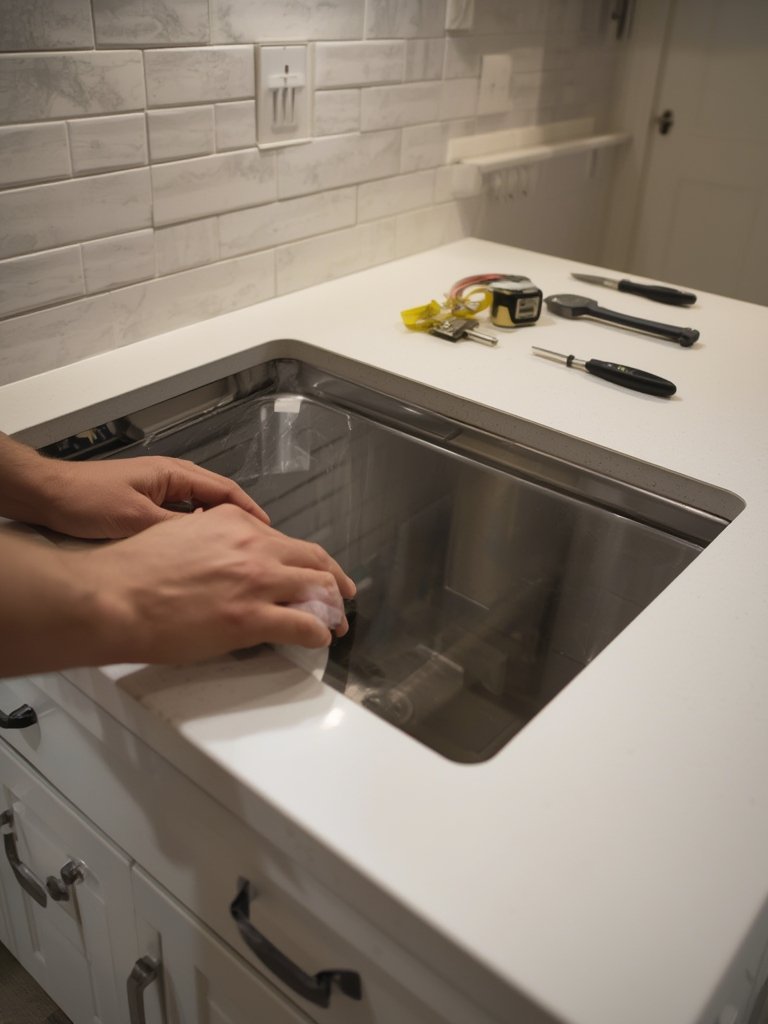
Note: A permit is often needed for electrical and gas work—local codes vary, so always verify before starting.
Need the right tools for your kitchen project? Review our in-depth Ultimate Home Improvement Tools Guide for Every DIY Project for must-have gear and essential safety tips.
Advanced Analysis: Costs, Pitfalls & What Others Get Wrong
While induction cooktops promise energy savings and cleaner air, the retrofit process is rarely as simple as a basic appliance swap. Here’s what you have to watch for and where most guides leave out crucial information:
| Pitfall/Problem | Details | How to Mitigate |
|---|---|---|
| Insufficient Electrical Capacity | Old panels may lack amperage for induction; running new 240V lines is disruptive and costly. | Pre-install assessment by a licensed electrician; budget $500–$2000 for upgrades, more for complex jobs. |
| Permit/Code Delays | Electrical and gas modifications require local permits. Delays are common, especially if your utility needs to approve upgrades. | Contact your city’s permit office at project start to avoid waiting weeks mid-project. |
| Cookware Incompatibility | Standard aluminum, copper, glass, and some stainless cookware won’t work with induction. | Test your pots and pans with a magnet. Only magnetic bottoms work efficiently. Plan for cookware replacement if needed (budget $100–$400). |
| Learning Curve | Induction reacts differently from gas: settings, preheating, and responsive control take adjustment. | Practice basic recipes, use the manufacturer’s quick guides, and consider induction demos at retailers before retrofit. |
| Cost Overruns | Most budget guides omit electrical labor, panel upgrades, permits, and patching old gas lines. | Request all-in estimates from pros; consider hidden costs like countertop adjustments and disposal fees. |
| Lack of Available Tax Incentives | Generic rebates (like Energy Star) may apply, but 2024 does not have a specific, nationwide induction stove tax credit for retrofits. | Visit US incentives sources and check local utility rebates for energy-efficient appliances. |
Many top-ranking articles fail to mention these real risks. They also gloss over missing data on true adoption rates and comprehensive cost breakdowns for full gas-to-induction retrofits. If your kitchen needs more extreme updates (like wall, counter, or ventilation reconstruction), the project can quickly snowball. Read our Best Home Furniture 2026 guide for advice on integrating new appliances into updated kitchen designs.
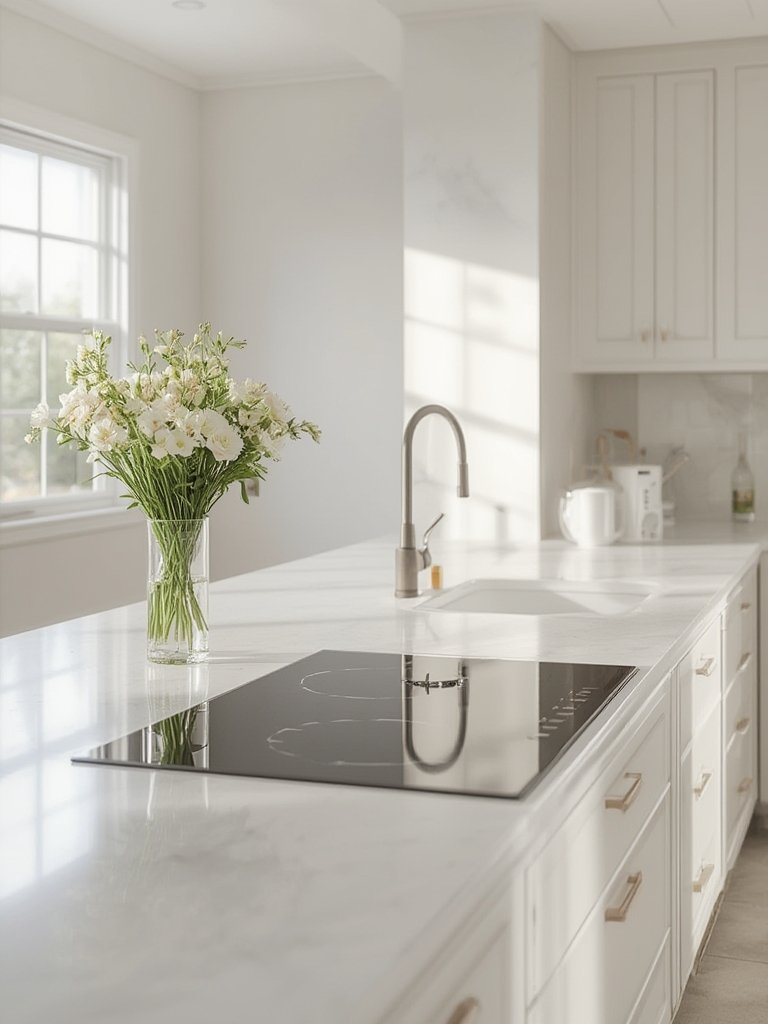
If you’re weighing portable, plug-in options, see our comprehensive portable heat pump guide for more flexible space heating and kitchen solutions.
Conclusion: Is This Retrofit Right For You?
Induction cooktop retrofits are a smart way to boost kitchen safety, efficiency, and future-proof your home against tighter environmental codes. But the process is more involved—and often pricier—than many guides admit. Evaluate your electrical, budget for unforeseen upgrades, and assess the learning curve honestly before making the switch. Ready to take charge? Research your options thoroughly, gather pro bids, and use the steps above for a successful induction cooktop retrofit that adds real value and cooking pleasure to your home.
For more tips, tool recommendations, or to connect with installation services, check out our Home Improvement Near Me: Your Complete Lowe’s Store Guide.
Frequently Asked Questions
Do I need to upgrade my electrical panel to install an induction cooktop?
Most induction cooktops require a 240V dedicated circuit. If your panel is older or has no spare space, you will likely need an upgrade. Always have a licensed electrician evaluate your setup first.
Can I keep using my current pans with induction?
Only cookware with a magnetic (ferrous) base will work on induction. Test with a magnet—if it sticks, you’re good. Aluminum, copper, or glass won’t work unless they have a hidden steel layer.
What is the typical timeline and cost for a full retrofit?
Most pro retrofits take 1–2 days for installation, but the process can stretch longer if you need panel upgrades or permits. Costs vary widely but budgeting $1,500 to $3,500 (including labor and all electrical work) is realistic for most kitchens.
Are there tax credits or rebates for retrofitting to induction?
As of 2024, there’s no dedicated federal tax credit for induction cooktop retrofits, but Energy Star rebates and some utility/local incentives may apply. Check with your city or state for current options.
Can I do a gas to induction conversion myself, or do I need professionals?
It’s strongly recommended to hire licensed professionals for both the electrical and gas line work. Mistakes with gas line capping or electrical wiring can be dangerous and may violate local codes.