

Insulated garage door upgrades can instantly transform your garage’s comfort level, safeguard your home from extreme temperatures, and boost property value. But does the investment really pay off—and how do you choose the right door with so many insulation types, R-values, and materials on the market?
Key Takeaways
- Insulated garage doors reduce outside temperature transfer and can make garages quieter, sturdier, and more energy efficient.
- Costs vary by material, insulation type, and R-value—steel and composite doors provide the best value for most homeowners.
- Installation is critical: even the best insulated door won’t perform well if gaps, poor seals, or improper sizing are present.
- What Is an Insulated Garage Door and Why Should You Care?
- How to Choose and Install the Right Insulated Garage Door (Step-by-Step)
- Advanced Analysis & Common Pitfalls
- Conclusion
- Frequently Asked Questions
What Is an Insulated Garage Door and Why Should You Care?
An insulated garage door features layers of insulating material sandwiched between the interior and exterior door panels. The main goal is to block heat transfer, so your garage stays significantly warmer in winter and cooler in summer—even if you live in harsh climates.
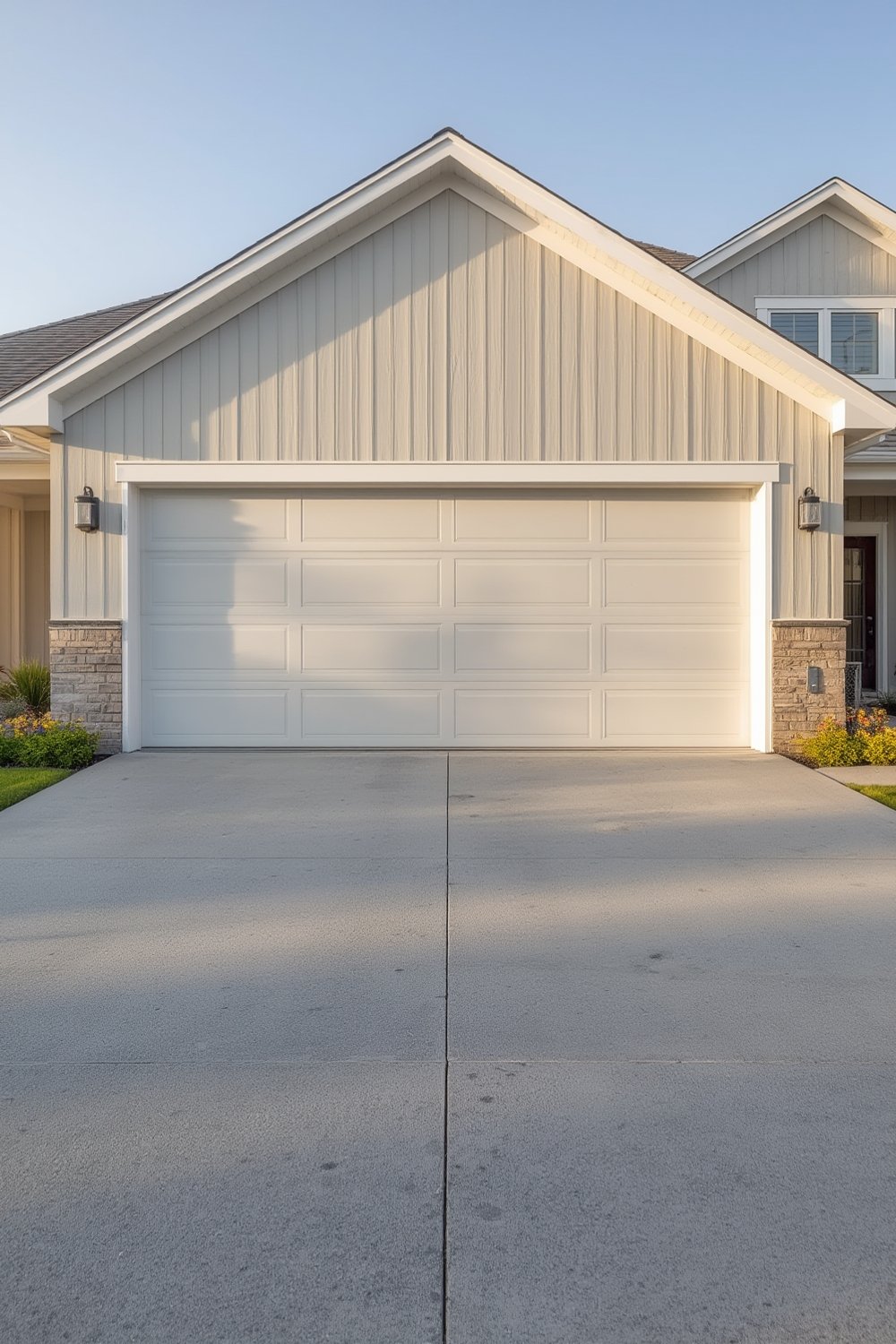
Why does this matter? Insulated garage doors help:
- Cut energy loss in attached garages by slowing temperature swings between outdoor air and your home
- Reduce noise from the street
- Increase door durability and resistance to dents or warping
- Improve comfort for garage gyms, workshops, and converted living spaces (see our garage gym insulation ideas)
Modern insulated garage doors use polystyrene, polyurethane foam, or composite rigid panels. Thickness, insulation type, and R-value (resistance to heat flow) are key factors that influence performance—and price. For instance, non-insulated doors typically rate R‑0 to 2, while insulated doors can hit R‑20.4 with the right fill and construction (source).
But insulating a garage door isn’t a cure-all. To maximize comfort and return on investment, you need to pick the right R-value, material, and installation method for your region and use case.
How to Choose and Install the Right Insulated Garage Door (Step-by-Step)
Upgrading to an insulated garage door doesn’t have to feel overwhelming. Here’s a realistic roadmap to picking and installing a door that delivers real results.
-
Know Your Budget and Return Expectations
- Insulated garage doors cost on average $1,500 installed, but can run from $1,100 up to $4,200 depending on material and size.
- For steel: budget $650–$3,200; for wood: $900–$4,500+; for composite: $650–$4,800. Higher R-value and triple-layer doors push costs higher.
- Energy bill savings are real but hard to quantify exactly—especially if your garage isn’t heated/cooled. Factor comfort, noise, and door lifespan into your ROI calculation.
-
Pick Material and Insulation That Fits Your Climate and Use
- Steel: Double or triple-layer steel doors with polyurethane insulation offer top value for most homes.
- Wood: Offers looks and insulation, but is heavy and expensive. Susceptible to warping or rot in damp climates.
- Composite: Mimics wood looks with better resistance to weather and corrosion.
For detached garages or those without HVAC, aim for R-6 to R-9. For attached or conditioned garages, R-9 to R-13 is smart, and R-14+ for converted living areas (see the full R-value breakdown here).
-
Size Up Your Door and Installation Site
- Carefully measure width and height in several spots. Ask installers about site prep—framing, opener upgrades, and headroom—all can impact project cost and complexity.
-
Choose Door Features & Accessories
- Upgrade to heavier-duty rollers and track for extra-quite operation
- Consider windows for natural light (without sacrificing insulation if using double- or triple-pane glass)
- Ask about smart locks or automation if you plan to secure or integrate your garage door digitally
-
Professional vs. DIY Installation
- Full-door replacement (especially large or heavy doors) is best handled by a pro for safety and to ensure air seals are tight.
- For handy DIYers on a budget, “insulation kits” can be added to existing doors, but won’t deliver as high an R-value or as tidy a finish.

Maximize both insulation and value by pairing your new garage door with other quick-win upgrades:
- Seal gaps around doors and windows (see window insulation film solutions)
- Check for air leaks near outlets, ductwork, or attic accesses (read about attic insulation upgrades)
- Upgrade to a smart programmable thermostat in the garage space
Need help selecting tools? Check out our Ultimate Home Improvement Tools Guide.
Advanced Analysis & Common Pitfalls
Even the most well-rated insulated garage door can disappoint if it’s mismatched to your needs or poorly installed. Here’s a deeper look at what matters (and where homeowners often get tripped up):
| Material | Price Range (Installed) | Typical R-Value | Strengths | Potential Drawbacks |
|---|---|---|---|---|
| Steel | $650‑$3,200 | 6.3–20.4 (double/triple layer) | Durable, affordable, low maintenance | Dents easier than wood; can corrode if not properly finished |
| Wood | $900‑$4,500+ | 7–12 (solid core) | Premium appearance, natural insulation | Heavier, needs maintenance, can warp/rot |
| Composite (Faux Wood) | $650‑$4,800 | 6–18 (variable) | Weather resistant, lower maintenance, wood look | Some models scratch easily; check insulation quality before buying |
- R-value Confusion: Higher R-values provide more thermal protection, but after a certain point, returns diminish for most residential garages. For many climate zones, paying extra for R‑14+ is only justified if converting the garage to living space.
- Poor Door Seals: Many energy losses come from gaps around the door, not through the door itself. Always upgrade bottom and side weatherstripping.
- Overlooking Noise Reduction: Insulated doors are much quieter—especially on busy streets or when operating early or late. See more on noise reduction upgrades for the home.
- Misaligned Expectations: There’s no hard data on exact yearly energy savings. Benefits are highest for attached garages in extreme climates and lowest for detached, unconditioned spaces.
- DIY Insulation Panels: Stick-on kits help boost old doors but rarely match the R-value or finish of a dedicated insulated door. However, they’re budget friendly for short-term upgrades.
- Ignoring Garage Use Patterns: If you park hot engines inside on summer afternoons, insulation alone won’t control temps—consider fans, mini splits or passive cooling (mini split guide).
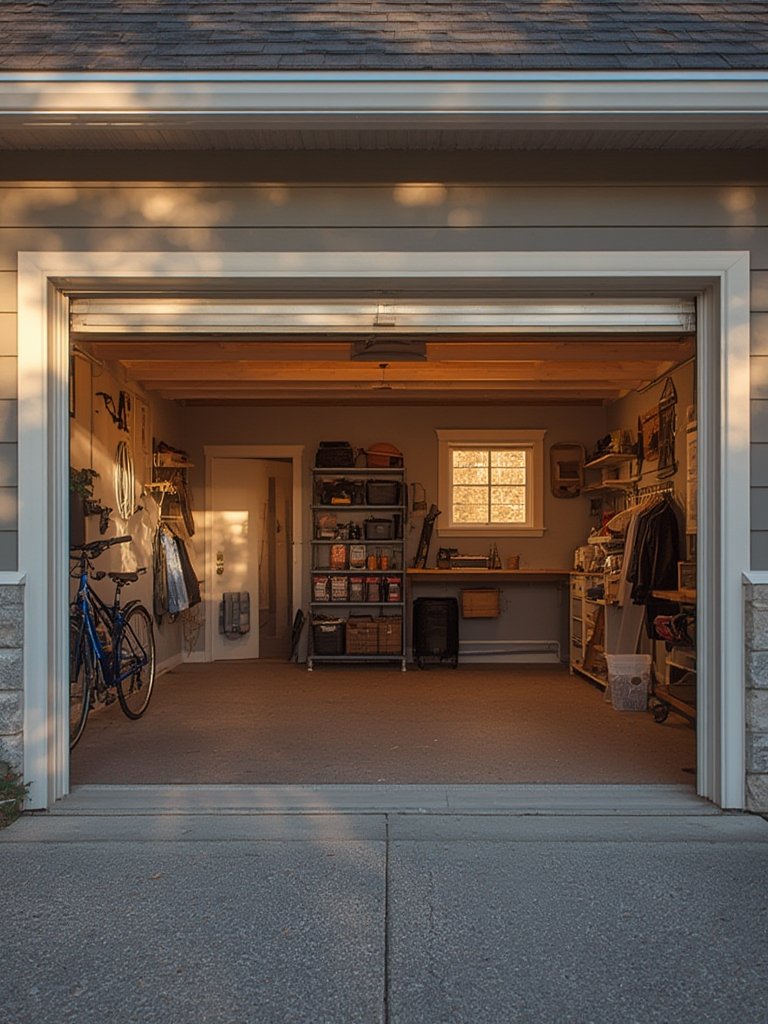
Conclusion
Installing an insulated garage door can completely change the way you use your garage—slashing noise, improving temperature control, and boosting curb appeal. While the up-front costs vary by material and R-value, most homeowners recoup value with better comfort, resilience, and overall usability. Don’t forget: correct installation and sealing are just as important as door choice. If you’re ready to get started, research models, request quotes from certified pros, and make the upgrade that delivers benefits season after season. An insulated garage door is one of the smartest long-term investments you can make in your home’s energy efficiency. Take action today!
Looking for more ways to cut home energy costs? Explore our ideas for smart home upgrades and efficiency tips.
Frequently Asked Questions
How much does a typical insulated garage door cost in 2024?
On average, an insulated garage door costs about $1,500 installed. Pricing ranges from $1,100 to $4,200 depending on size, material, insulation type, and R-value.
Do insulated garage doors really save energy and lower bills?
Insulated doors do reduce energy loss in attached garages, helping keep adjacent areas more comfortable. Exact annual savings vary and are hard to quantify, especially if your garage is unconditioned.
Should I choose steel, wood, or composite for my insulated garage door?
Steel with polyurethane insulation is a great all-around pick. Choose wood for premium looks, but expect more maintenance. Composite doors balance durability with weather resistance and come in wood-like finishes.
Can I insulate my existing garage door instead of replacing it?
Yes, there are DIY insulation panel kits available. While these can improve comfort, they rarely match the R-value and seal of a dedicated insulated garage door.
What R-value is best for my garage?
For non-climate-controlled garages, R-6 to R-9 works well. For attached or heated/cooled garages, aim for R-9 to R-13, and consider R-14+ for garage living spaces.