

Low voc flooring is shaping how homeowners and businesses prioritize health, sustainability, and indoor air quality in their spaces. Understanding what low VOC means, how to make smart buying decisions, and what real-world pitfalls to expect can save money—and headaches—over the long run.
Key Takeaways
- The low VOC flooring market is growing fast, with eco-friendly materials like bamboo, cork, reclaimed wood, and new-generation vinyl leading the way.
- Certifications such as FloorScore and GREENGUARD matter, but technical definitions of “low VOC” are inconsistent and brand compliance varies.
- Common pain points include higher initial costs, vague health claims, and lack of easy product comparisons—but practical selection steps and legit sources help you avoid costly mistakes.
- Understanding Low VOC Flooring: What and Why
- How to Choose and Install Low VOC Flooring: Step-by-Step
- Advanced Analysis & Common Pitfalls
- Conclusion
- FAQ
Understanding Low VOC Flooring: What and Why
Low VOC flooring refers to floors made with materials and adhesives that emit minimal volatile organic compounds (VOCs). These compounds, common in traditional flooring, can pollute indoor air and trigger headaches, allergies, and asthma. You’ll often see low VOC options labeled as non-toxic, eco-friendly, or “green.” This demand has driven sharp market growth—estimated at up to USD 12.4 billion globally in 2024, with subcategories like low VOC vinyl projected to grow over 11 percent per year.
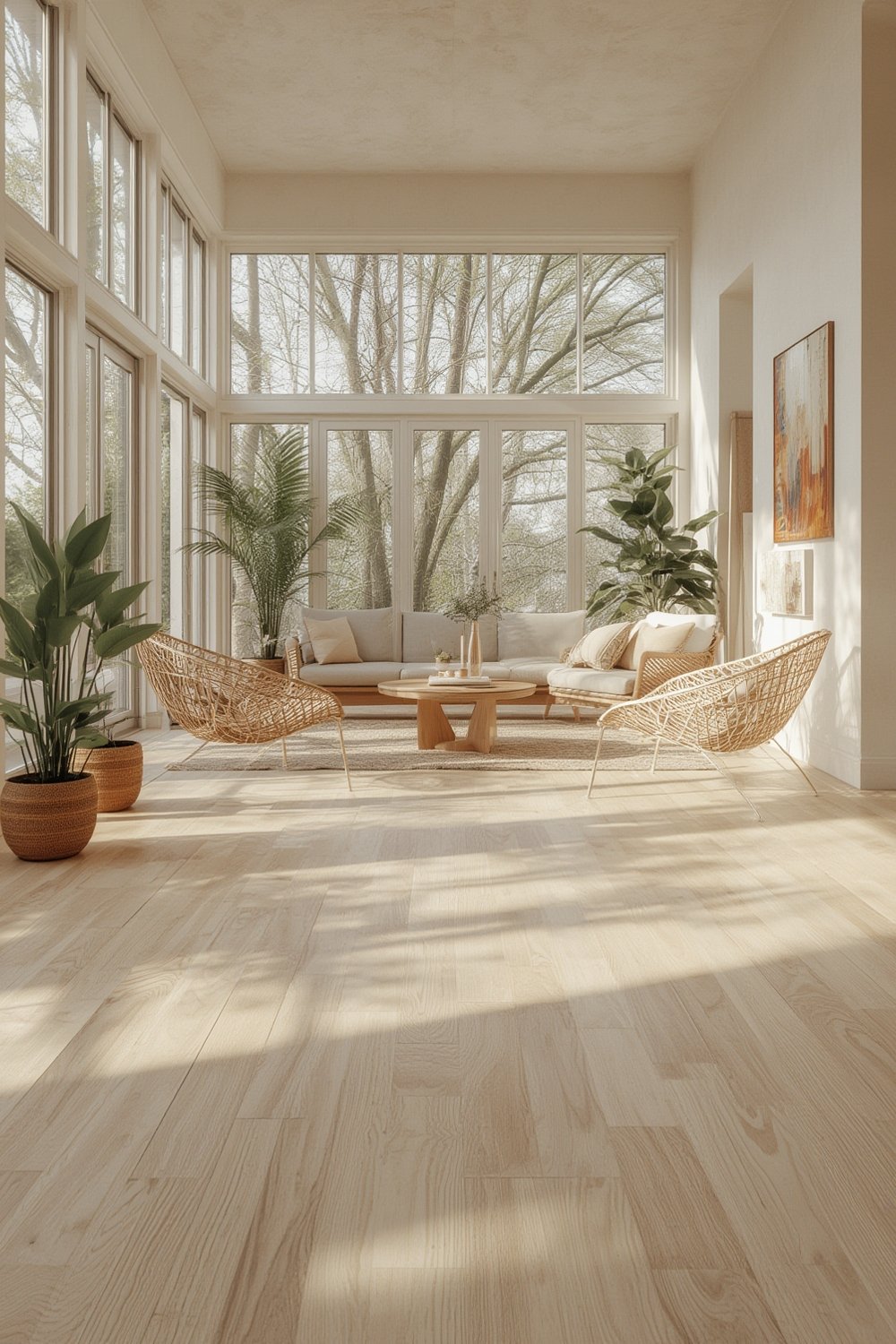
Environmental regulations, health-conscious consumers, and awareness of indoor air quality are the primary drivers. Options vary widely—from sustainable hardwood (with responsible forestry practices), bamboo, and cork, to new-generation vinyl and recycled wood. However, definitions are inconsistent, with no universal technical threshold for VOC levels. Certifications like FloorScore and GREENGUARD offer some guidance, but not all products transparently disclose data or health performance.
Despite growth, buyers still face confusion, higher upfront costs, and sporadic third-party testing. For a full spectrum of home upgrades supporting health, see our Ultimate Home Improvement Ideas 2025 guide.
How to Choose and Install Low VOC Flooring: Step-by-Step
- Clarify Your Priorities: Decide if your top concern is health (eliminating VOCs/allergens), sustainability (renewable materials), long-term durability, or budget.
- Research Materials: Look for woods from sustainable sources (FSC certified), bamboo, cork, 100% linoleum, or recycled content. For vinyl, target low VOC formulations with recognized certifications.
- Demand Certifications: Favor products certified by FloorScore or GREENGUARD. These programs test for low chemical emissions, even if specific emission thresholds aren’t always easy to find.
- Ask Your Retailer Hard Questions: Request recent emissions data, material sourcing details, and full ingredient lists. Don’t just accept “eco-friendly” marketing—ask for proof.
- Compare Installation Methods: Floating floors, click-lock planks, and loose-lay systems reduce adhesives (a hidden VOC source). Opt for professional installation if you aren’t comfortable—mistakes can be costly.
- Budget Carefully: Expect to pay extra for genuine low VOC flooring. Compare product cost, installation, and projected maintenance over the expected lifetime—this is often missing in big-box store blurbs. If price is an issue, investigate cork or reclaimed wood.
- Ventilate and Monitor: Air out any new floors thoroughly and consider an indoor VOC meter for peace of mind, especially if anyone in your home is sensitive.
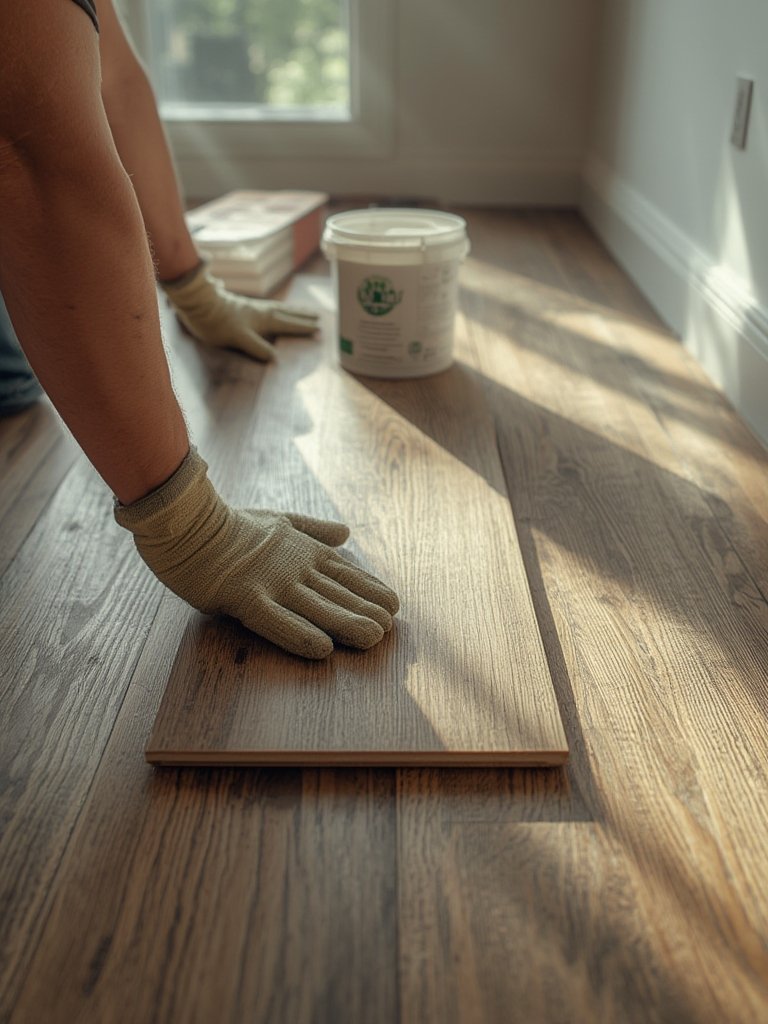
For additional guidance on tool selection and DIY process, check our Ultimate Home Improvement Tools Guide for Every DIY Project.
Still undecided about material choice? A quick glance at brands’ certifications and maintenance requirements speeds up the decision. For pro installation and bargain hunting, retailers like Lowe’s Home Improvement can be a reliable partner.
Advanced Analysis & Common Pitfalls
Going “low VOC” is smart, but there are several snags to watch for. The most frequent buyer complaints, according to recent industry research and flooring data, include:
- Higher upfront cost: Low VOC and sustainable flooring often runs 15-40 percent more than generic alternatives—yet long-term maintenance may be lower with quality products.
- Ambiguous health claims: Many brands highlight “eco-friendly” status without robust third-party emissions data. Only about half of marketed products display credible certification seals.
- Installation pitfalls: Some options (like heavily recycled materials) may dent or scratch more easily. Others (like click-lock vinyl) can trap moisture underneath if not installed precisely.
- Lack of real-world reviews: Consumer feedback for “low VOC” brands is limited, making it hard to compare products by experience. Some reviews cite issues like uneven fading or quality variance between batches.
- Spotty guidance on cleaning: Natural material floors often require special maintenance, or void warranties if improper products are used.
Real-world data is missing for some aspects (such as health impact metrics or user testimonials showing actual VOC reductions after a switch). Also, few sources provide side-by-side tables to simplify selection—something sorely needed.
| Material Type | Low VOC Certifications | Typical Price/sq.ft | Durability | Maintenance |
|---|---|---|---|---|
| Solid Hardwood (certified) | FloorScore, FSC | $$$ | High (can be refinished) | Low (with correct cleaner) |
| Bamboo | FloorScore, GREENGUARD | $$ | Medium (watch moisture) | Low |
| Cork | FloorScore, GREENGUARD | $$ | Medium (dents over time) | Low-Moderate |
| Low VOC Vinyl | FloorScore, GREENGUARD | $$$ | Medium-High | Very Low |
| Linoleum | FloorScore, GREENGUARD | $$ | Medium | Low |
Side-by-side, eco-friendly wood and bamboo rank high for sustainability, with cork and linoleum as low-allergen choices. Low VOC vinyl is convenient but sometimes faces questions about authenticity of green claims. Regular vinyl is the lowest upfront cost but highest for chemical emissions. For noise-sensitive spaces, soundproofing upgrades can complement your flooring—consider our Soundproofing Panels Home Guide.
Be aware: For all types, the biggest underlying risks are inadequate certification, inconsistent quality, and installation shortcuts. For in-depth discussions on energy-efficient upgrades that pair well with clean flooring, see our Portable Heat Pump Buyer’s Guide.
If humidity or flooding is your concern, don’t forget to review preventive steps such as Basement Dehumidifier Mold Prevention to maximize your flooring’s lifespan.
Conclusion
Low VOC flooring is a practical step toward a healthier and more sustainable home. Although definitions and certifications vary, seeking third-party proof, researching materials, and budgeting for a higher upfront expense will help avoid disappointment. If you value clean air and a smaller environmental impact, make low voc flooring your next upgrade. Ready to transform your space? Compare options, check certifications, and breathe easier with your next project.
Want to further upgrade your home’s livability and efficiency? Explore our deep dives on the Best Home Furniture for 2026 and the Attic Insulation Upgrade Guide for complete comfort solutions.
FAQ
What does “low VOC flooring” mean?
Low VOC flooring is designed to emit fewer volatile organic compounds than standard materials, reducing chemical pollutants in your home. Look for certifications such as FloorScore or GREENGUARD for verified claims.
Which flooring materials typically have the lowest VOC emissions?
Solid hardwood (FSC-certified), bamboo, cork, 100% linoleum, and certain low VOC vinyls rank among the lowest for emissions. Always check for up-to-date third-party certification.
Is low VOC flooring more expensive?
Generally, yes—especially for wood, bamboo, and certified vinyl. However, maintenance costs tend to be lower and the benefits to indoor air quality can outweigh the upfront premium.
Are there any risks or downsides to low VOC flooring?
The main downsides are higher initial costs and potential for confusing or misleading green marketing. Not all “low VOC” floorings perform equally—smart research is key.
How can I be certain a product is truly low VOC?
Insist on recent third-party test results and certifications. If brands cannot supply these, consider a more transparent supplier. FloorScore and GREENGUARD are two of the most respected programs.