

Mini split heat pump systems are transforming home climate control, offering targeted comfort, energy savings, and installation flexibility that central HVAC can’t match.
Key Takeaways
- Mini split heat pumps deliver efficient, zoned heating and cooling but require precise installation and regular maintenance.
- Improper installation or neglecting routine upkeep often leads to poor performance, leaks, or costly repairs.
- Certified installation and semi-annual inspections are critical to maintaining efficiency, reliability, and warranty coverage.
- How Mini Split Heat Pumps Work and Why They’re Different
- How to Choose and Install a Mini Split Heat Pump
- Advanced Analysis & Common Pitfalls
- Conclusion
- Frequently Asked Questions
How Mini Split Heat Pumps Work and Why They’re Different
Mini split heat pumps are ductless, inverter-based systems that provide efficient heating and cooling to individual rooms or zones. Instead of heating or cooling your whole home via long ductwork, mini splits push conditioned air directly into your space with a wall-mounted indoor unit. This design reduces energy loss, allows independent temperature settings in different rooms, and eliminates the need for extensive ducting—making them ideal for additions, garage conversions, and areas without central HVAC access.
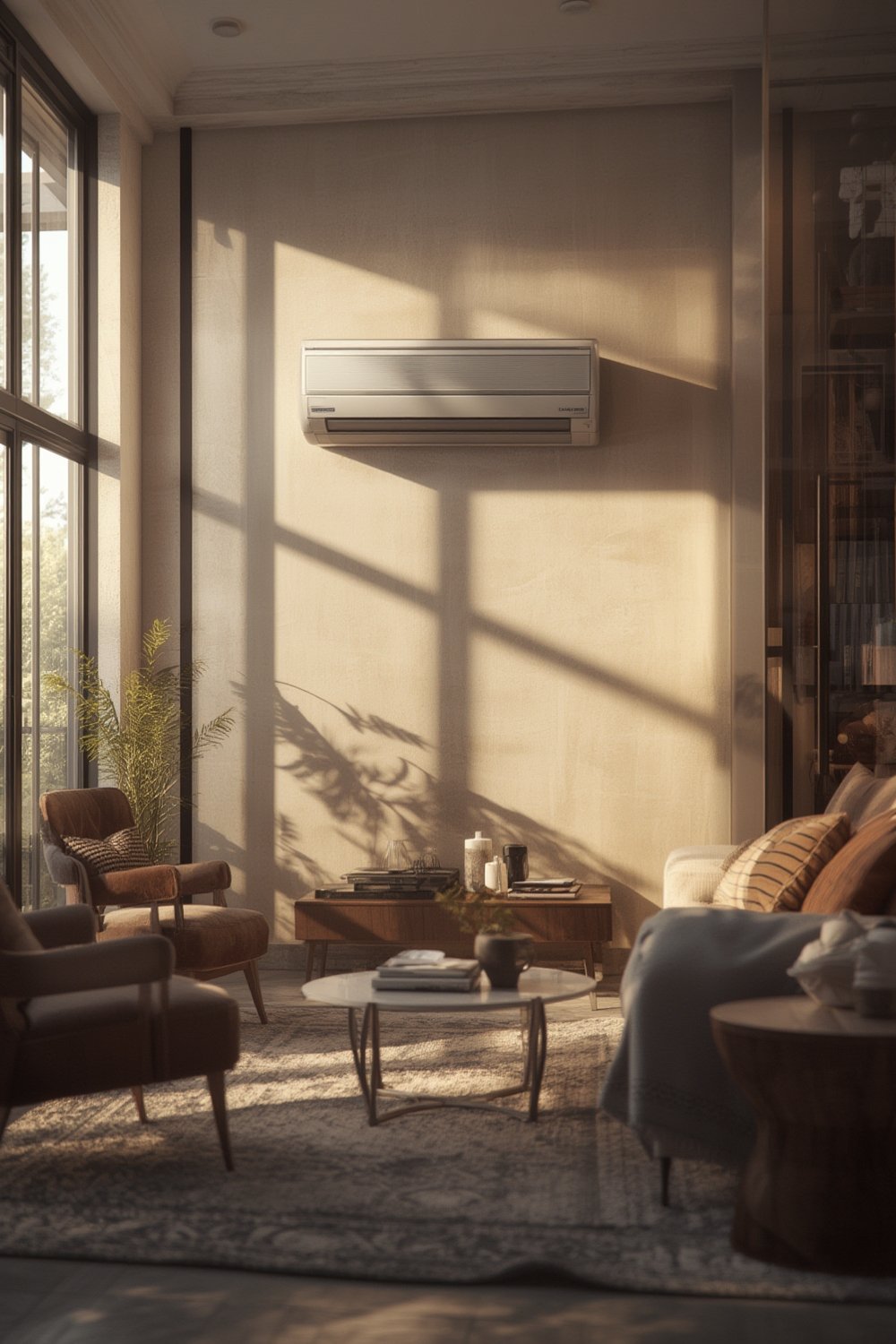
The technology inside a mini split heat pump uses advanced compressors and electronic controls to precisely match thermal output to your actual needs—minimizing energy usage and avoiding the cyclical blasts of traditional window ACs or central systems. This leads to greater efficiency, significant comfort improvements, and lower utility costs over time.
Compared to portable heat pump options that can crowd up small spaces, mini splits are wall-mounted and unobtrusive. For renters or smaller apartments, you may want to also compare portable heat pump solutions for easier, tool-free setup.
Looking to create a fully climate-controlled home gym or workspace? Ductless mini splits are highly recommended in garage conversions, as outlined in our garage gym insulation guide—they deliver year-round comfort without the logistical nightmares of ductwork.
How to Choose and Install a Mini Split Heat Pump
Deciding on a mini split heat pump requires a strategic approach to selecting the right model, ensuring correct sizing, and precise installation. Here’s an actionable, step-by-step blueprint:
- Assess Your Room Size and Insulation
- Measure square footage, ceiling height, and note insulation quality. Garages often need higher capacities.
- For detailed sizing, consult with a licensed HVAC contractor or use official calculators from top brands.
- Pick the Right Model for Your Needs
- Compare mini split heat pumps with Energy Star ratings for added efficiency, and select inverter-driven technology for quiet, steady operation.
- If you only need temporary or mobile climate control, you might consider a portable heat pump instead.
- Prioritize Professional Installation
- Always hire a certified installer. DIY attempts without the right tools—such as vacuum pumps or refrigerant meters—often void warranties and cause leaks, air infiltration, and poor performance (see real-world issues).
- Schedule Regular Maintenance
- Clean or replace filters monthly. Have a professional check for error codes, test temperature drop, inspect drains and wiring, and clean coils every spring and fall (maintenance examples).
- Set Up for Personalized, Zoned Comfort
- Configure each indoor unit for its “zone” (bedroom, living room, garage) and adjust temperature settings independently.
- Take advantage of programmability and smart thermostats for better control and energy savings. Explore more smart and efficient upgrades in our home improvement ideas for 2025.
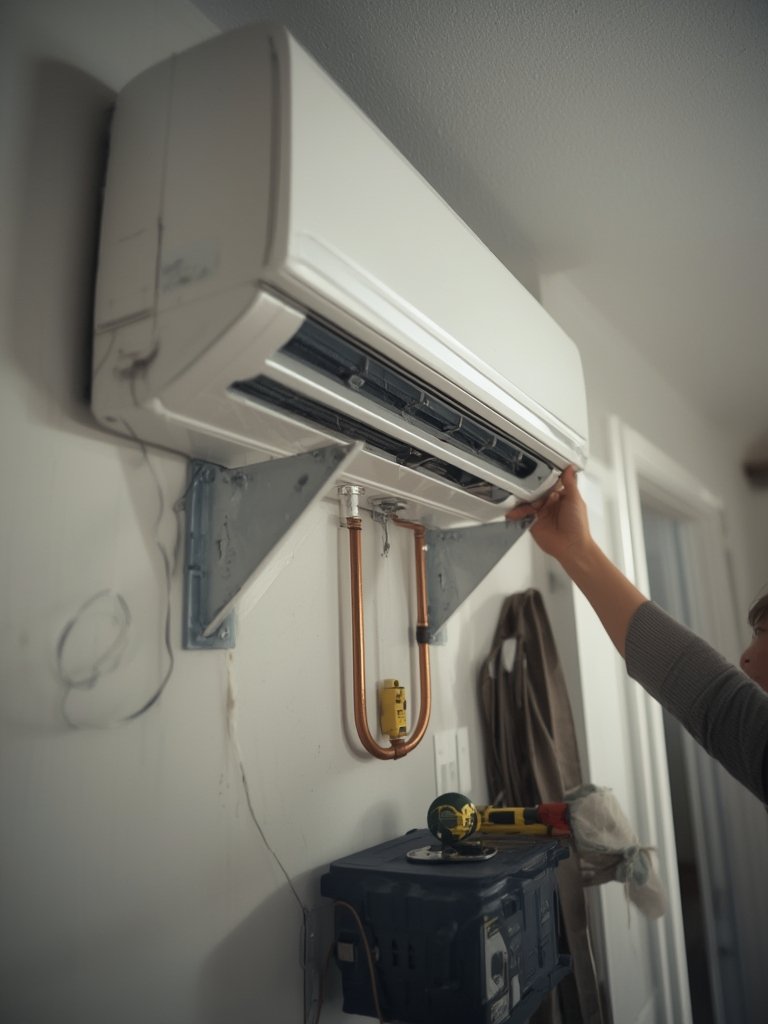
If you lack critical installation tools or aren’t 100 percent certain in your electrical or HVAC expertise, it’s safest to use a professional service. Home improvement stores like Lowe’s offer vetted installers and even financing—check their installation services for peace of mind.
A beginner’s toolkit from our Home Improvement Tools Guide is ideal for routine filter changes and basic maintenance, but advanced troubleshooting is best left to experts.
Advanced Analysis & Common Pitfalls
Despite their strong efficiency and flexibility, mini split heat pump systems come with specific challenges and failure points that many DIYers and first-time buyers underestimate. Here’s what to watch out for:
| Common Pitfall | Cause | Symptoms | How to Avoid |
|---|---|---|---|
| Improperly Level Indoor Unit | Sloppy mounting or skipped steps | Persistent leaks, water stains on wall | Use a level, follow installation manual, hire a pro |
| Poor Insulation on Refrigerant Lines | Cheap or improperly installed foam wrap | Dripping, sweating lines; potential mold | Insulate and tape all joints tightly |
| Clogged Drain or Dirty Filters | Neglected monthly maintenance | Water damage, weak flow, iced coils, musty smell | Clean filters, flush drains regularly |
| Outdoor Unit Crowded by Debris | Leaves, weeds, or objects against condenser | Loss of efficiency, system overheat | Maintain minimum 24-inch clearance |
| DIY Install Without Required Tools | No vacuum pump, flaring tool, refrigerant gauge | Poor cooling, frequent faults, voided warranty | Use a certified installer; skip the DIY |
| Mismatched or Undersized System | No load calculation, guesswork sizing | Hot/cold spots, noisy or constant running, high bills | Get professional load assessment and sizing |
Recurring Issues from User Reviews:
- DIY installs almost always lead to failures like leaks or poor performance due to missing specialized equipment (installation examples).
- Maintenance mistakes—such as dirty filters or clogged drain lines—cause musty smells, reduced airflow, iced coils, and water damage (troubleshooting advice | maintenance tips).
- Warranty is instantly voided on most top brands if anyone except a licensed professional completes the job (see example).
- Failure to seal wall openings or insulate refrigerant lines results in energy waste, drafts, and higher operating costs.
- Oversizing or undersizing leads to comfort problems and excessive energy use. Always opt for a contractor’s sizing, not just online calculators.
If air circulation issues or weak airflow persist after proper setup, consider adding space-saving furniture or adjusting your room layout to remove obstructions.
Want to improve air quality further? Combine your mini split system with a dedicated basement dehumidifier for moisture-prone homes.

Conclusion
Mini split heat pump systems offer unmatched flexibility, comfort, and energy savings when installed and maintained correctly. Their ductless, zoned approach is perfect for conversions, additions, and even challenging garage installations where traditional HVAC falls short.
However, improper installation or ignoring regular upkeep can easily undo these benefits. Always prioritize professional setup, seal penetrations, and clean filters regularly to safeguard both comfort and your warranty. If you’re exploring further upgrades or smart home improvements, check out our guides on induction cooktops and heat pump water heaters for a whole-home efficiency boost.
Ready to enjoy smarter, more comfortable living? Take the next step—consult a pro, compare top models, and make a mini split heat pump part of your efficient home today.
Frequently Asked Questions
Can I install a mini split heat pump myself?
Technically, it’s possible, but not recommended. DIY installation without the right tools often leads to leaks, voids the warranty, and causes efficiency or safety issues. Hire a certified installer to ensure proper setup and keep your warranty valid (real-world example).
How often should a mini split heat pump be serviced?
Clean or replace filters monthly, and have a licensed technician check the system every six months—especially before peak summer and winter. Regular maintenance prevents breakdowns and keeps efficiency high (maintenance guide).
What are common signs of mini split system trouble?
Watch for water leaks, weak airflow, iced coils, inconsistent temperatures, strange smells, or loud noises. These often indicate clogged drains, dirty filters, or other issues that need immediate attention.
Does a mini split heat pump work well in a garage?
Absolutely. Mini splits are ideal for garages because they mitigate heat loss and can be sized for the unique challenges of a non-living space. Read our in-depth garage gym insulation guide for actionable setup tips.
Is a mini split more efficient than a window AC or portable unit?
In most cases, yes. Mini split heat pumps deliver higher efficiency, more precise zoning, and quieter operation—especially important for bedrooms or workspaces. For very small or rental spaces, you might compare with a portable heat pump alternative.