

Rainwater harvesting system installations are rapidly becoming a practical solution for homeowners looking to reduce water bills and increase self-sufficiency—even in urban areas where fresh water supplies are growing less predictable.
Key Takeaways
- Modern rainwater harvesting system setups can cut household drinking water use by up to 40% for non-potable applications.
- Recent advancements include smart monitoring, compact underground storage, and advanced safety filtration, making rainwater harvesting viable for city homes.
- High upfront costs and maintenance requirements remain primary hurdles, but incentives and smart tech are lowering barriers in many regions.
- Understanding Rainwater Harvesting Systems
- How to Install a Home Rainwater Harvesting System
- Analysis: Challenges, Pitfalls, and Real-World Considerations
- Summary & Next Steps
- FAQs
Understanding Rainwater Harvesting Systems
A rainwater harvesting system is designed to collect, store, and use rain that lands on your roof or property, diverting it into a useable supply for irrigation, laundry, flushing toilets, cleaning, and more. Instead of relying solely on municipal water, you leverage natural precipitation, reduce utility costs, and build a backup supply for dry spells.
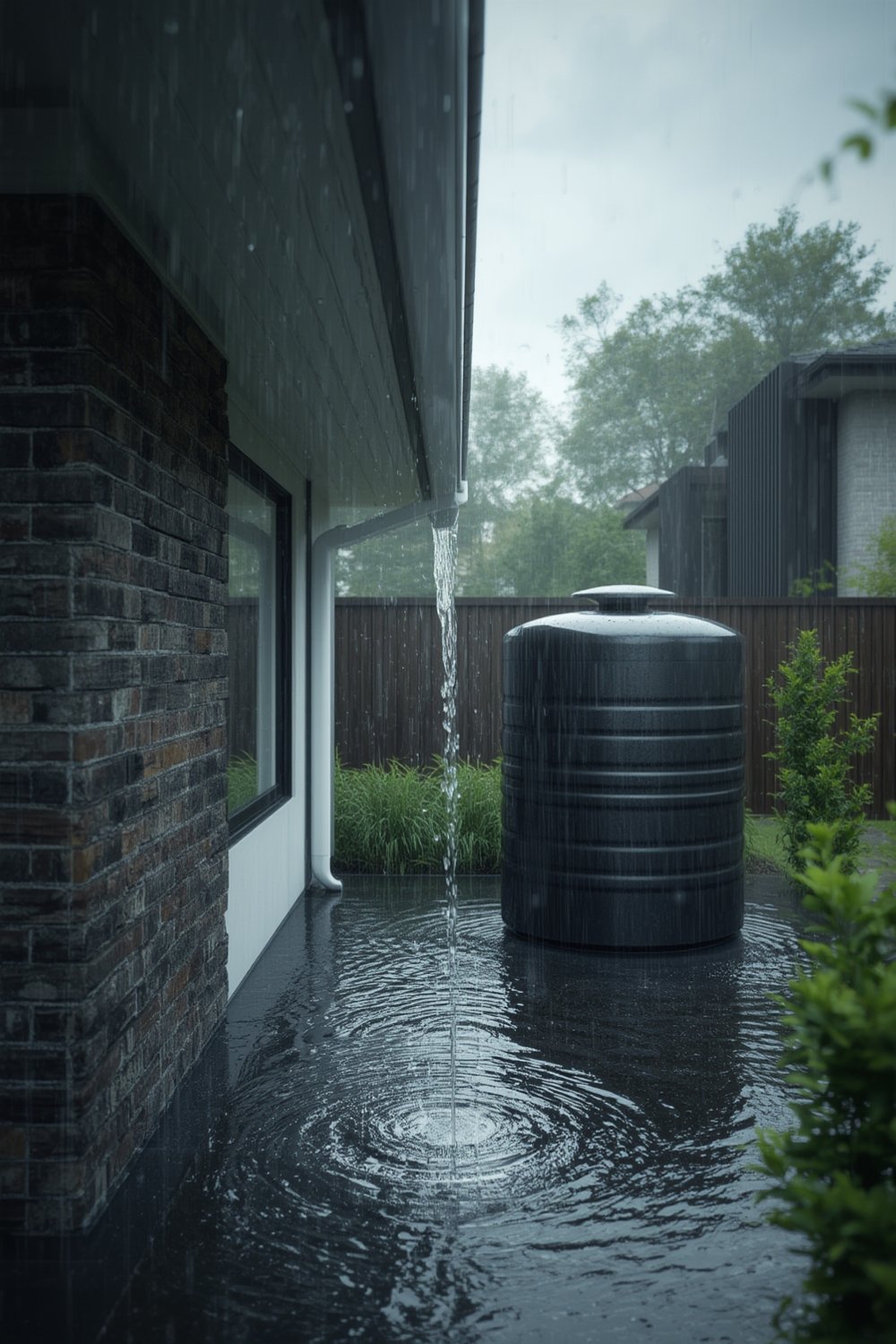
Surging demand for water conservation is driving strong growth in residential rainwater harvesting systems. The global market is valued at $1.7 billion in 2024 and is projected to grow 7% annually through 2030, with North American households cutting potable water use by as much as 40% for non-drinking needs through products like Premier Tech’s Rewatec underground tanks (see industry overview).
Advanced filtration, smart water tech for monitoring, and the rise of green building certifications like LEED have turned rainwater harvesting from a rural practice into a viable, practical feature for city homes, condos, and smart home retrofits. This trend is echoed in urban design guides and ultimate home improvement tools resources that recognize water-focused projects among top DIY upgrades.
How to Install a Home Rainwater Harvesting System
Setting up a rainwater harvesting system isn’t just about placing a barrel under a downspout—it involves planning, proper filtration, and ensuring compliance with local regulations. Here’s an actionable, up-to-date installation guide:
- Evaluate Your Site and Water Usage
Measure your roof size, local rainfall averages, and estimate your household’s non-potable water needs (irrigation, laundry, toilets). - Check Local Rules and Incentives
Consult your city’s water authority—some regions require permits or offer rebates and technical assistance (source). - Choose the Right System Type
Options include rain barrels (basic), aboveground tanks, or advanced underground storage like Rewatec for larger/urban demands. Opt for food-safe, UV-stable materials. Advanced systems feature ZVI-sand filters for improved water quality (ZVI filter research). - Install Gutters and first-flush device
Position gutters to direct water into the storage system. Use a first-flush device to divert initial, debris-heavy runoff. - Connect Storage and Filtration
For rain barrels, install a sturdy screen filter. For large tanks, use multi-stage filtration (mesh, sand, ZVI, sometimes UV). Underground tanks can maximize aesthetics and capacity. - Set Up Distribution and Overflow
Connect harvested water to irrigation, toilets, or laundry lines (non-potable use only unless system is certified for drinking water). Ensure overflow pipes direct excess water safely away from foundations. - Add smart monitoring (Optional)
Automated sensors/valves, as in LEED-certified and smart homes, allow remote water level monitoring, leak alerts, and optimization (see smart leak prevention). - Maintain System Regularly
Clean screens, gutters, and filters at least quarterly. Check for mosquito entry, sediment buildup, and leaks.
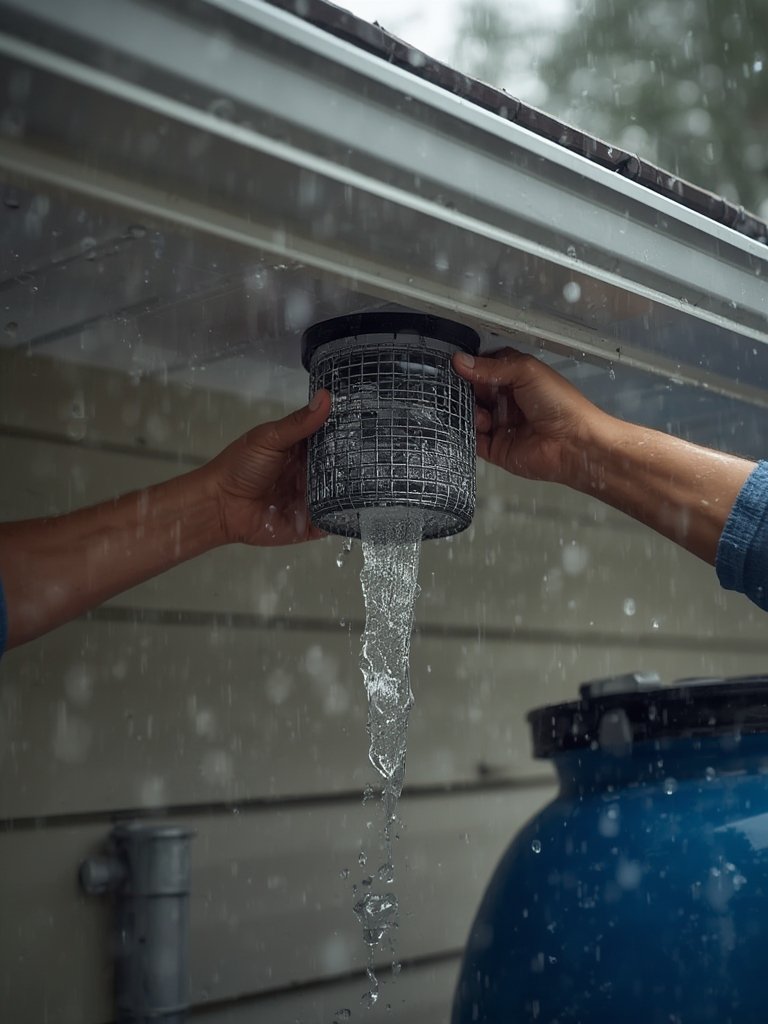
To ensure durability and compliance, consult professionals for underground systems or if integrating with home plumbing. For DIYers, review this guide to home improvement ideas and gather the right tools.
Keep in mind: solar generator setups can power smart monitoring/water pumps, further boosting independence.
Analysis: Challenges, Pitfalls, and Real-World Considerations
Despite strong benefits, homeowners consistently report several practical limitations when adopting rainwater harvesting.
| Issue | Details/Impact | Solution/Workaround |
|---|---|---|
| High Initial Cost | Even with cheaper plastics, an underground system or multiple barrels can cost $1,000-$10,000 installed (no standard 2024 figure). High up front, but long-term savings possible, especially with rising water rates. | Use local incentives, grants, or phased system upgrades. Look for municipal supply rebates and LEED credits if pursuing major home renovations. |
| Maintenance | Cleaning filters, gutters, and tanks is vital for water safety and efficiency. Neglect can lead to algae, mosquitoes, or system blockages. | Set quarterly reminders, use mesh screens, and consider professionally serviced filtration. |
| Local Regulations | Rules vary—some cities ban potable use; others require permits or restrict tank sizes. Fines possible if ignored. | Always check local regulations before installation. Document system specs for resale value or insurance. |
| Unpredictable Rainfall | Droughts may empty tanks just when you need them. Inconsistent fill rates reported in 2024 trials, especially April and July. | Oversize capacity, supplement with greywater reuse, or consider backup systems like solar-powered pumps for additional supply security. |
| Perception & Awareness | Some urban homeowners still consider rainwater harvesting a rural solution, or worry about water safety for gardening/irrigation. | Adopt certified safety filters (like ZVI-sand) and join local awareness workshops. Many city residents now participate—education is closing the gap. |
Advanced innovations like underground tanks, ZVI-sand-based filtration (which reduces food safety risks for garden irrigation), and Internet-connected monitoring help maximize system safety and user trust. But, even with these, system reliability may decrease for higher-demand homes—though financial savings tend to increase with use.
For basement or crawlspace installations, consider related upgrades such as dehumidifier mold prevention and moisture control solutions to boost long-term home health.
Refer to industry market analysis for more specifics on cost trends, adoption barriers, and incentive programs.
Summary & Next Steps
Today’s rainwater harvesting system designs have evolved into efficient, safe, and scalable additions that can strengthen your home’s resilience and lower utility costs—especially when local incentives and smart tech are leveraged.
Choosing and maintaining a system requires careful planning, a clear understanding of legal requirements, and realistic expectations for payback and ongoing upkeep. Yet, for most homeowners, the benefits far outweigh the headaches—particularly as water scarcity and municipal costs mount.
Ready to reduce your utility bills and boost your home’s independence? Explore the latest rainwater harvesting system technologies, and always check for new grants, rebates, or regulatory changes before installing. Consider starting with a small setup and expanding as your confidence grows.
Want more? Browse our ultimate home improvement ideas for smart, eco-friendly upgrades tailored for maximum ROI and comfort.
FAQs
How much water can I realistically collect from my roof each year?
It depends on your roof size, local rainfall, and system efficiency. In the U.S., non-potable demand is estimated at 53% of typical monthly household use, and advanced systems like Rewatec report up to 40% potable water offset for non-drinking applications. Actual annual collection varies by climate zone.
Is rainwater safe for watering my vegetables or using in my washing machine?
Yes, with the right filters. 2024 trials found that ZVI-sand filter setups can reduce potential food safety risks, especially for garden irrigation. Always use multi-stage filtration before routing water to laundry or edible plants, and never use untreated rainwater for drinking unless certified safe.
What are the main ongoing maintenance requirements?
You should clean screens, filters, and gutters at least quarterly. Check for sediment buildup, mosquito entry points, algae growth, and leaks. Advanced smart monitoring systems can automate some checks and send alerts for full tanks or detected leaks.
Are there any tax incentives or grants available for installing a residential rainwater harvesting system?
Yes—many U.S. cities and states offer tax rebates, grants, free technical assistance, and LEED credits to encourage adoption. These vary by region and change frequently, so ask your local water authority or utility for current program details before you install.
Can rainwater harvesting systems work in places with limited rainfall or droughts?
They can, but performance is lower. To cope, oversize tanks, combine with greywater reuse, and stay realistic on expectations. Harvesting is most cost-effective in areas with moderate rainfall and high water prices or restrictions.