

Solar generator home backup is quickly becoming a go-to solution for families seeking reliable power during outages, but making an informed choice means understanding both benefits and drawbacks—especially with 2024’s market shifts and evolving tech. If you want a practical, actionable guide before investing or upgrading, you’re in the right place.
Key Takeaways
- 2024’s residential solar growth remains strong, but gaps remain in backup solution performance and real-world data.
- Choosing the right solar generator home backup setup requires planning for realistic limitations—especially during multi-day outages.
- Traditional generators still have cost and output advantages; solar options shine for quiet, low-maintenance, and eco-friendly backup, especially for shorter outages.
- Understanding Solar Generator Home Backup
- Step-by-Step: Choosing and Setting Up Home Solar Backup
- Advanced Analysis & Common Pitfalls
- Conclusion
- FAQ
Understanding Solar Generator Home Backup
Solar generator home backup systems combine solar panels, battery storage, and a portable or stationary inverter to supply emergency household power when the grid fails. Homeowners are drawn to these systems for cleaner, quieter alternatives to gas generators—plus independence from rising fuel costs and supply chain issues.
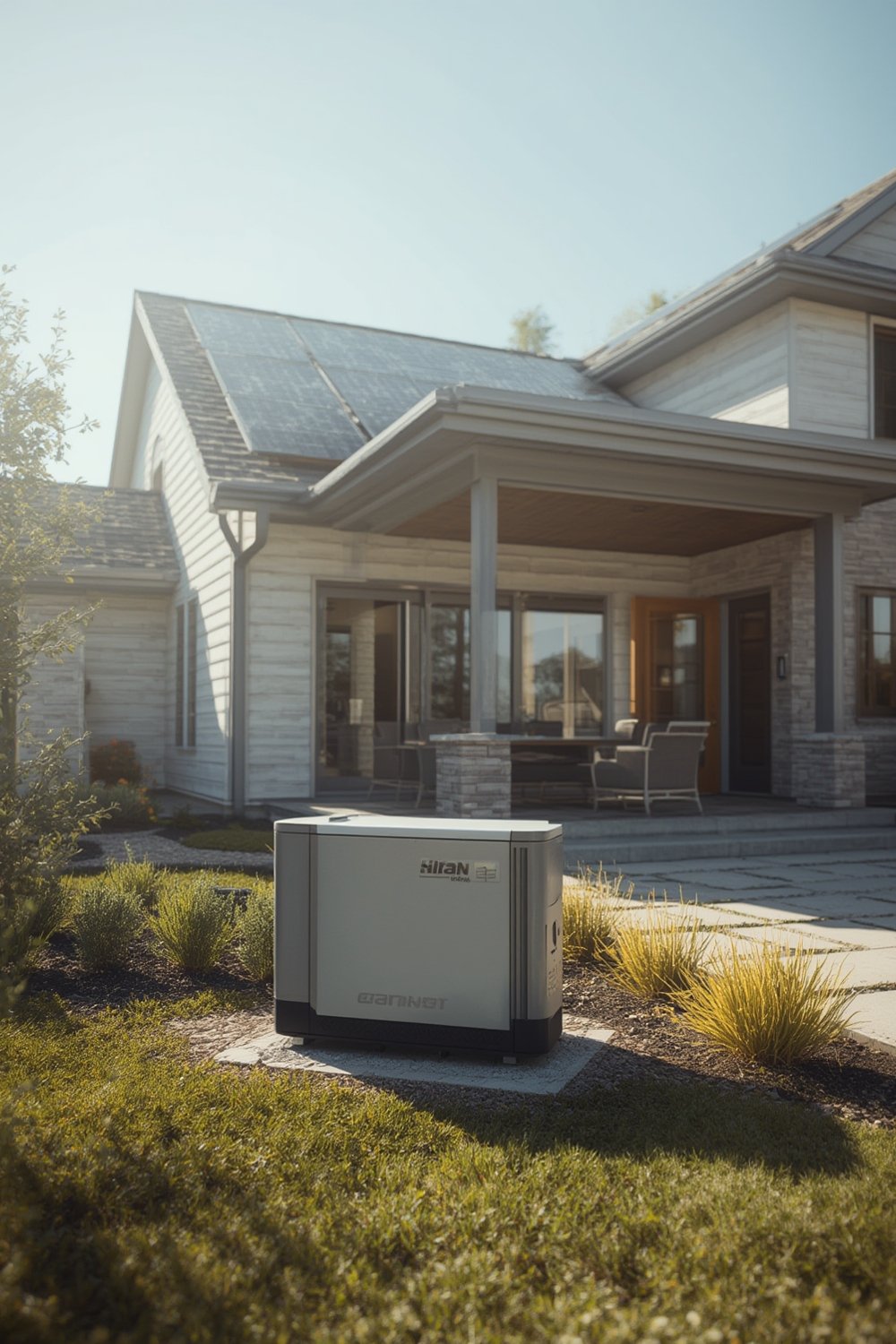
Unlike traditional “whole house backup” solutions tied to the grid, a solar generator home backup is typically modular and can be deployed for just the most critical circuits (fridge, WiFi, medical devices, basic lighting).
As distributed solar installations added 5.4 GW in 2024 across the US, consumer interest in energy resilience has grown—especially after recent storms and grid shortfalls. However, not every region or household sees the same performance benefits. For smart power planning, it’s crucial to be realistic about capabilities, setup, and costs.
Exploring other home upgrades? See our ultimate guide to home improvement tools and best home furniture ideas for 2026 to boost comfort, style, and safety.
Step-by-Step: Choosing and Setting Up Home Solar Backup
Investing in a solar generator for home backup should follow a practical, step-by-step evaluation:
- Assess Your Real Power Needs
Make a list of essentials you can’t live without during an outage (refrigerator, home office gear, medical devices, security system, some lighting). Add up their wattages and daily kWh usage—don’t forget surge power needs. - Compare Generator Types and Sizes
Solar generators range from small portable units to whole-home systems. Generally, modular setups between 2kWh and 10kWh deliver backup for essentials for several hours to a couple of days—depending on device use and solar charging conditions. - Check Battery Tech and Output
Seek LFP batteries for cycle longevity. Aim for inverter outputs matching your largest appliance startup draw. Prioritize solar input rates to maximize recharge after a sunny day. For technical tips, check out 2024 solar technology trends. - Plan Your Solar Panel Array
More panel wattage means faster battery refills after a power loss. But actual sunlight hours, roof or yard availability, and local weather patterns matter. Oversize your input pads if possible. - Estimate True Run Time—Then Double-Check
Published specs rarely reflect cloudy days or higher loads. During multi-day blackouts, most home solar generators require thoughtful load management. (If relying on solar only, expect limitations after day one.) - Budget for Installation and Maintenance
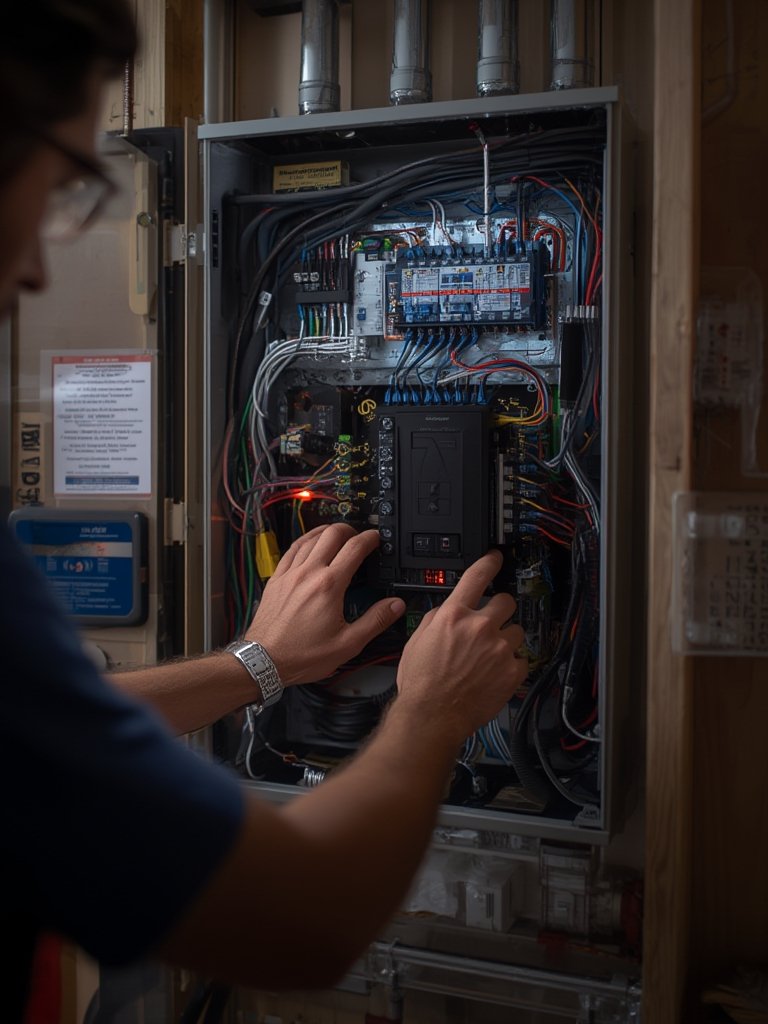
Unlike gas units, solar generator backup often comes DIY-ready but still needs professional help for safe circuit connections. Remember battery replacements every 5–10 years. - Test Regularly
Once installed, simulate an outage every quarter—including solar-only charging. This avoids surprises when you really need your system.
Need tips on other seasonal upgrades? Try window insulation film for winter energy savings or prevent mold with a basement dehumidifier for healthier air during stormy seasons.
Advanced Analysis & Common Pitfalls
Despite their appeal, solar generator home backup systems have clear limitations—especially exposed during real emergencies.
- No “One-Size-Fits-All” Backup: Most home solar generator kits won’t power an entire home through a cloudy, multi-day blackout. Even with 10kWh+ capacity, heavy HVAC, ovens, or well pumps will drain batteries fast.
- Lack of Transparent Performance Data: Comprehensive field data (multi-day outages, winter, etc.) is currently lacking, as noted by EIA analysis. Manufacturer specs rarely disclose real-world runtimes.
- Upfront vs. Lifetime Costs: Solar generator setups cost more than gas alternatives up front, and battery replacements add to long-term spend. But they eliminate ongoing fuel or maintenance hassles.
- System Complexity: DIY installs risk poor wiring, leading to inverter dropouts or battery failures. Safety checks—even for plug-and-play units—are essential.
| Feature | Solar Generator Home Backup | Traditional Gas Generator |
|---|---|---|
| Quiet Operation | Yes (silent) | No (loud) |
| Recharging Needs | Solar (sunlit hours), Wall outlet (grid) | Gasoline/Propane (as long as supplies last) |
| Emissions & Indoor Safety | No exhaust, safe for indoor use | Emits carbon monoxide, must run outdoors |
| Run Time (Multi-day Outage) | Limited by battery/solar input | Unlimited if you store enough fuel |
| Upfront Costs (essentials) | High (low ongoing costs) | Low to medium (ongoing fuel/maintenance) |
| Battery Replacement | Every 5–10 years | Not needed |
| Installation Complexity | Moderate (DIY or pro for whole home) | Low (manual transfer, sometimes pro install) |
| Peak Power Output | Best-in-class: ~2–8kW (occasional) | 5–20kW+ (standard, larger models) |
If you need a larger home improvement project, you can find guidance at our 2025 home and garden upgrades collection or local Lowe’s home improvement store tips.

While solar generator home backup technology is advancing each year, be prepared for gaps in actual performance—and always supplement with manual outage planning.
Conclusion
Solar generator home backup is a practical solution for clean, silent power during outages—especially when planned around real household needs and system limits. It isn’t a perfect substitute for gas generators in long, cloudy blackouts, but it dramatically cuts fuel reliance and routine maintenance. If resilience, safety, and environmental impact matter for your family, start planning your solar generator home backup system today.
Ready to take the next step? Assess your power needs, plan your panel layout, and seek a mix of backup options for true peace of mind. Don’t wait until the next storm to discover what your household really needs!
FAQ
How much does a solar generator home backup system cost?
Costs vary widely. Small entry-level systems (for a fridge and a few devices) start around $1,000–$2,000. Whole-home, multi-kilowatt-hour setups with professional installation can exceed $10,000. Battery replacements (every 5–10 years) add to total ownership cost.
How long will a solar generator keep my house running?
A 5kWh battery bank can run a refrigerator, internet, lights, and a few chargers for 6–24 hours, depending on use, before recharging from solar or grid. Whole-home coverage requires massive battery and solar capacity, and even then, cloudy weather shortens run times.
Can I use my solar generator inside my house?
Yes. Solar generators produce zero fumes, so they can safely be operated indoors. Unlike gas generators, there’s no exhaust risk—but always follow manufacturer safety and ventilation guidelines.
How do I choose the right size solar generator backup system?
Start by listing every essential device you must power, then find their wattage and typical run-hours. Total daily energy (kWh) needs—and choose a battery/inverter combo that exceeds this, factoring in 20–30 percent overhead for startup surges and inefficiencies.
Should I get a solar generator or a gas generator for backup power?
If silent, clean, low-maintenance backup for short outages is your top priority, a solar generator home backup is ideal. If you face frequent week-long blackouts or need to power heavy appliances nonstop, a gas generator may be a must—or pair both for the ultimate resilience.