

soundproofing panels home setups can radically change how your space sounds and feels, but most homeowners have the wrong expectations or don’t know where to start. This clear, realistic guide shows exactly what works, what doesn’t, and how to choose and install the right panels for your needs.
Key Takeaways
- Soundproofing panels mainly absorb internal sound but rarely block external noise unless thick and dense.
- Panel type, thickness, and material matter more than brand—cover at least 20% of your room’s surfaces for best results.
- Installation errors and overhyped expectations are the top reasons homeowners are disappointed with soundproofing panels at home.
- What Are Home Soundproofing Panels and Why Use Them?
- Step-by-Step: Install Soundproofing Panels at Home
- Real-World Analysis: Effectiveness, Pitfalls, and Comparison
- Conclusion & Action Steps
- FAQ
What Are Home Soundproofing Panels and Why Use Them?
Soundproofing panels are designed to reduce the level of echo and reverberation inside a room. When attached to the walls or ceiling, they absorb sound waves—especially in the mid and high frequency ranges—creating a quieter, less “live” environment. While their main job is to improve audio quality inside the room (for music, meetings, or sleep), most panels marketed to homeowners will not stop loud noises (like traffic or stomping footsteps) from coming in or out. For true noise blocking, much denser solutions like drywall and insulation layers are needed.

What soundproofing panels do excel at is taming unwanted reverb and echo, which makes speech clearer, music more detailed, and your whole space feel calmer—transforming an echoey home office or bedroom into a more usable and pleasant area. Many homeowners use these panels for video calls, podcasting, gaming, home theaters, or simply for peace of mind with fewer reflections and noise disturbances.
If you’re preparing for your own project, reviewing essential home improvement tools can also help make the job efficient and safe.
Step-by-Step: Install Soundproofing Panels at Home
Follow these steps to set up soundproofing panels for your home space, whether it’s a home office, studio, or bedroom environment.
-
Assess Your Noise Problems and Goals
Decide: Is your main goal to control echo and reverb, or do you need to block outside noise? Panels are great for the first; not for the second. -
Measure and Plan Coverage Area
Measure your wall and ceiling surfaces. Most experts recommend that covering 20% to 80% of the surface is optimal, based on the severity of echo—a smaller, echoey room may only require 20%, while a reverberant, harsh space could need 50% or more. -
Choose Panel Material and Thickness
– 1” panels are budget-friendly, mostly for mid-high frequency echo.
– 2” is industry standard and suitable for most home offices and bedrooms.
– 3” and 4” panels tackle wider frequencies, including some bass. Use bass traps for pronounced low-frequency noise.
Read more about picking the right materials in our Ultimate Home Improvement Ideas 2025 guide. -
Pick the Panel Size and Mounting Method
1×1 ft or 2×2 ft panels are lightweight, flexible, and easier to mount and reconfigure than large 2×4 ft panels. Temporary adhesive strips or double-sided mounting tape are typically safe for painted walls and rental spaces. -
Lay Out and Install Your Panels
Start at primary reflection points—areas where sound first bounces, often behind speakers, near desks, or above seating. Space the panels out for even coverage and stagger the layout for style and performance.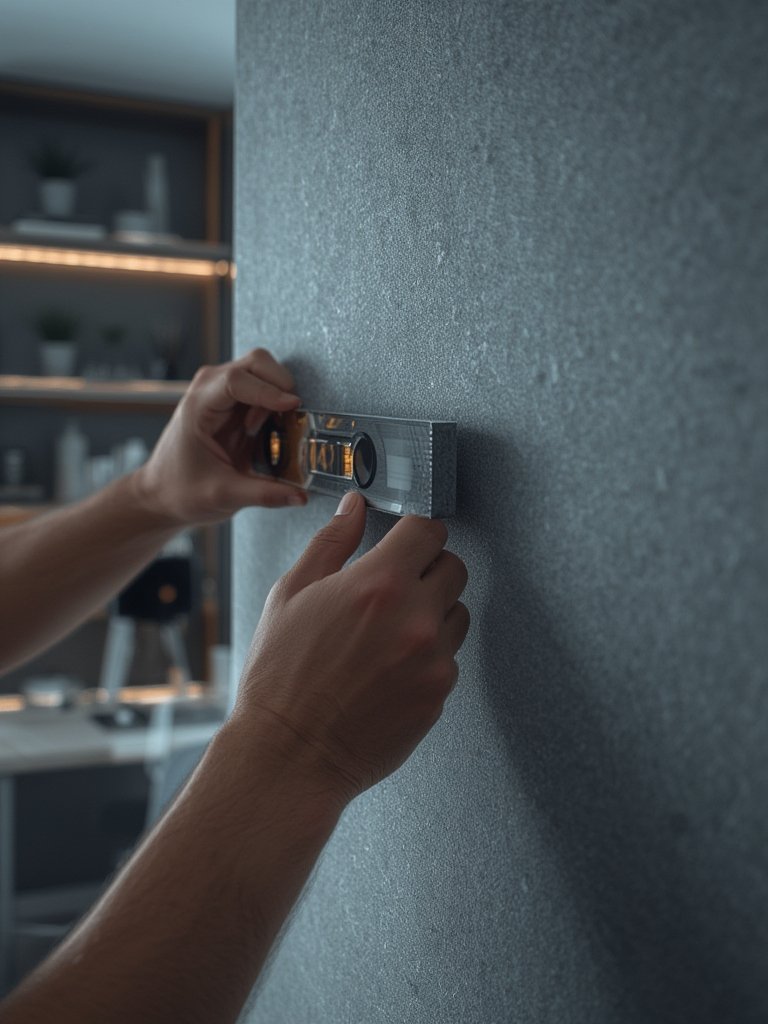
Mount, step back, and run another clap test. Reposition if needed.
-
Optional: Test with Audio Meter (Phone App or dB Meter)
If you want quantitative feedback, use a smartphone decibel meter app to measure echo decay or noise levels before and after installation. Results will typically show a reduction in reverb, not a massive drop in overall decibel levels. -
Revisit After a Few Days
Listen for improvements and remaining problem spots—add panels or reposition as needed. For homes with pets, see our dog products guide for pet-safe options to keep panels secure.
Real-World Analysis: Effectiveness, Pitfalls, and Comparison
Soundproofing panels can deliver dramatic changes—or disappoint—depending on how you use them. Here’s what the research and real users reveal.
Common Pitfalls and Limitations
- Not Blocking Outside Noise: Many believe foam panels stop external sounds, but only very thick, dense panels or materials like plasterboard can reduce both outgoing and incoming noise. Thin panels mainly control echo.
- Too Little Coverage: Installing only a few panels will barely change your room’s sound. For best results, cover 20% to 80% of the surface, depending on room size and finish.
- Choosing the Wrong Thickness: One-inch panels are often too thin for any real low-end or bass reduction. Go for 2” or thicker, and always use bass traps in room corners for full-spectrum absorption.
- Poor Installation: Using heavy panels with weak adhesive, or skipping corners and ceilings, will mean poor results or panels falling down.
- Skipping Acoustic Testing: Panels that aren’t tested using a simple “clap test” or meter will often be installed in the wrong spots, leading to minimal improvement.
- Sticker Shock: The cost of covering a large room—especially with high-density or plasterboard panels—can be higher than many expect. Most brands don’t advertise installation or shipping costs up front.
Panel Materials & Performance Comparison
| Panel Material | Frequency Absorption | Noise Blocking | Best For |
|---|---|---|---|
| 1” Foam Panels | Mid-high (NRC 0.6-0.8) | Minimal | Budget echo control |
| 2” Foam Panels | Mid-high (NRC 0.8-1.0) | Low | Home office, bedroom, home theater |
| 3”–4” Foam Panels | High, mid, low (better full-range) | Some | Music, gaming, studio, bass-heavy rooms |
| Plasterboard Panels | All (when thick/dense) | Excellent | Noise blocking, construction projects |
| Aluminum Perforated | With fiber/foam: Good all around | Medium (when combined with other materials) | Tough, outdoor, custom use |
For cost-conscious projects, see seasonal deals and installation services at Lowe’s Home Improvement, a reliable source for getting panels and mounts locally. For local installation and tool rental, see the Complete Lowe’s Store Guide.
Before-and-After: What Can You Expect?
Most video reviews and informal tests (such as this before-and-after test) show better clarity and less echo for music and speech. However, quantitative decibel reduction claims are rare on the consumer market. NRC ratings (0 to 1) indicate absorption in mid-high frequencies, but don’t cover real-world bass or total SPL (sound pressure level) change. For full technical details, see this objective breakdown.
Conclusion & Action Steps
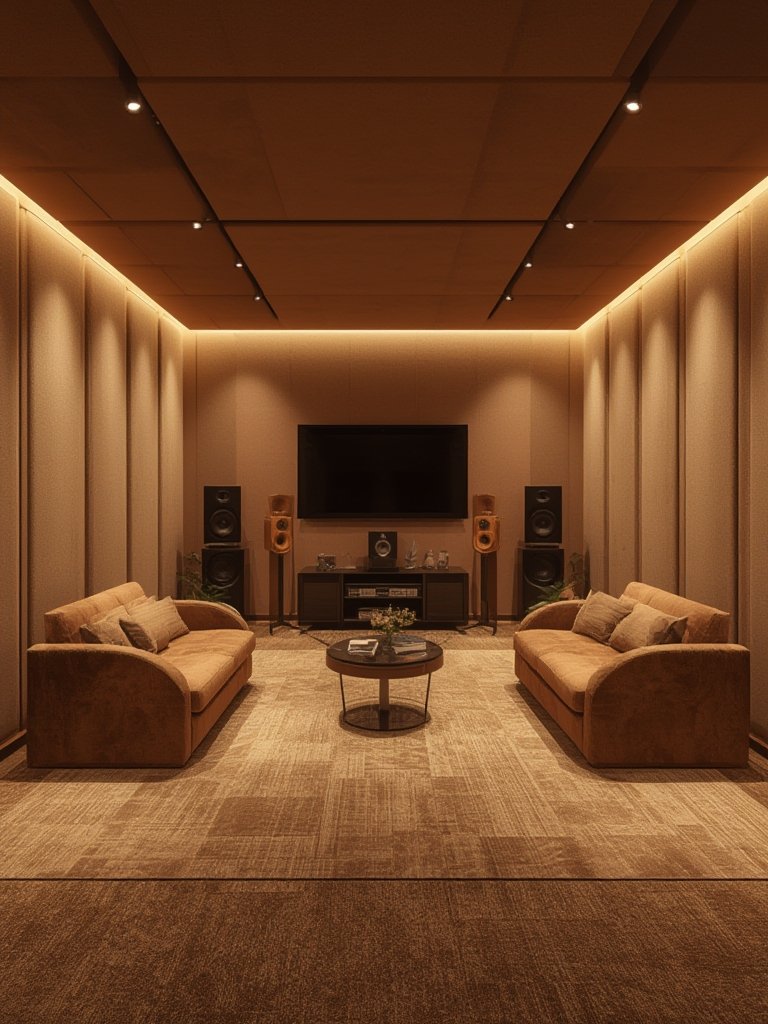
The main value of soundproofing panels home solutions is reducing internal echo and transforming harsh rooms into comfortable, clear spaces. Expect improved audio quality—not complete silence or airtight sound blocking—unless you use thick, dense panels combined with construction upgrades. Start with 20% wall coverage and prioritize thickness over brand. Test, adjust, and always match your panel choice to your real noise goals.
Ready to get started? Evaluate your goals, measure your space, and choose the right panels. For extra savings and advice, explore tool tips in our Ultimate Home Improvement Tools Guide.
FAQ
Can soundproofing panels block outside noise like traffic or loud neighbors?
No. Most foam or polyester panels reduce echo and internal sound. Blocking outside noise requires dense materials like plasterboard, mass loaded vinyl, or full wall upgrades.
How much of my room do I need to cover for real results?
Experts recommend covering at least 20%, and up to 80% for echoey rooms. Start with problem spots, like behind speakers or desks, then test and add as needed.
What thickness should home soundproofing panels be?
Two-inch panels are a practical starting point for most home uses. Go thicker—3 or 4 inches—if you need more bass or full-spectrum absorption.
Will these panels damage my walls when removed?
If mounted with temporary adhesive strips or hook-and-loop fasteners, panels typically come off cleanly. Check your wall paint type and always test a small area first.
Can I reuse my panels if I move?
Yes. Most panels can be removed and remounted elsewhere, especially if you use temporary adhesives instead of glue or permanent hardware.