

Storm window inserts offer some of the highest real-world energy savings you can get from a retrofit solution—without the cost, disruption, or risks of full window replacement. In 2024, they’re more effective, versatile, and visually appealing than ever, and may finally resolve draft, comfort, and condensation issues for homeowners with old, leaky windows.
Key Takeaways
- Storm window inserts cut heating and cooling bills by up to 30% and can outperform standard storm windows, especially when using energy-efficient low-e glass.
- Installation is far less expensive and disruptive than full window replacement, with short payback periods and simple maintenance.
- Proper fit is essential—most user frustrations stem from poor installation, condensation control, or incompatibility with unusual window shapes.
- How Storm Window Inserts Work and Why Consider Them?
- Step-by-Step Guide to Choosing and Installing Storm Window Inserts
- Advanced Analysis & Common Pitfalls with Window Inserts
- Final Thoughts: Are Storm Window Inserts Worth It?
- Frequently Asked Questions About Storm Window Inserts
How Storm Window Inserts Work and Why Consider Them?
Storm window inserts are interior or exterior panels that add an extra insulating layer to your existing windows. Unlike full replacements, they do not require changing your frames or disturbing your home’s character—making them a popular choice for older homes, historic properties, or anyone looking for a cost-effective energy upgrade.
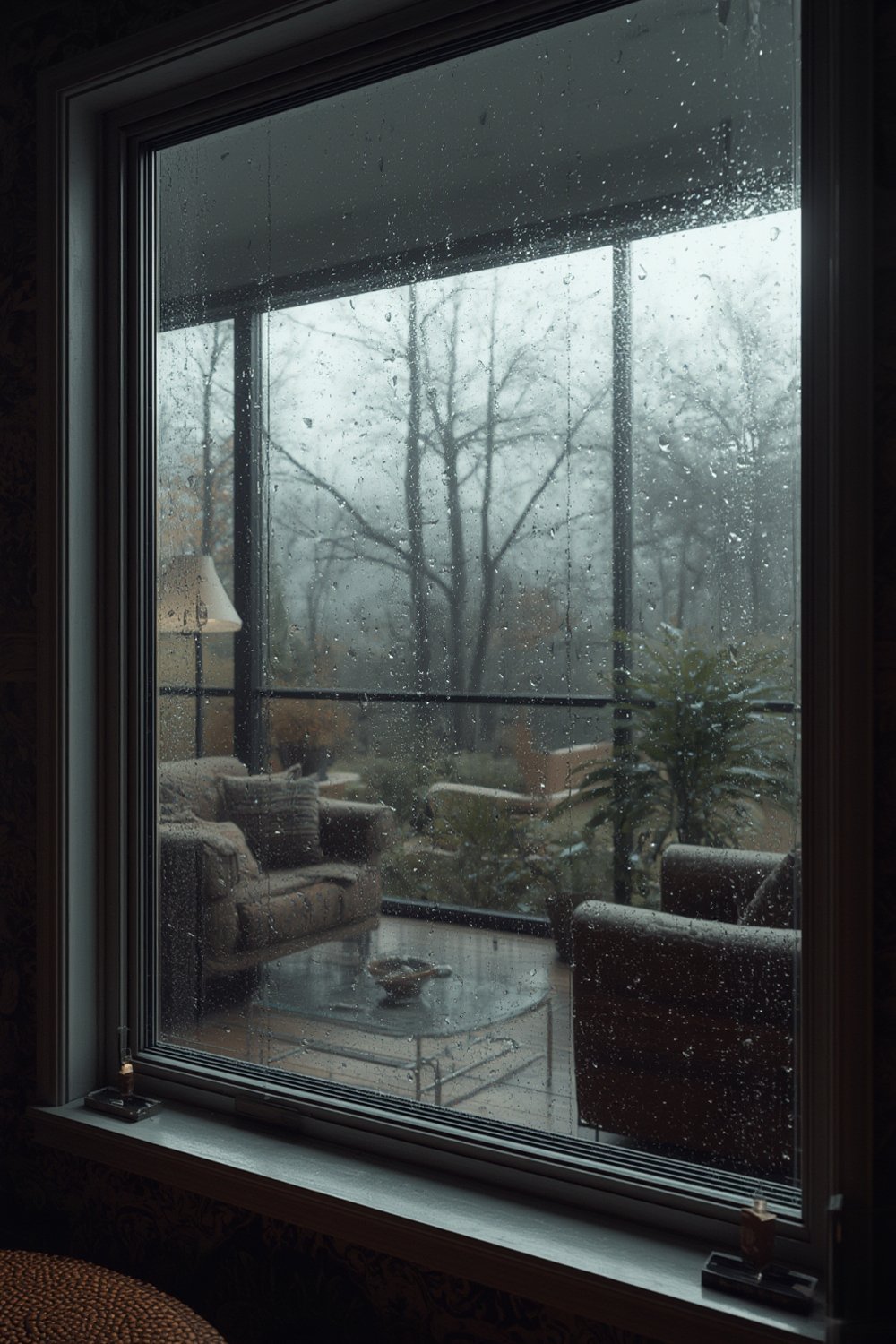
The big “why” comes down to measurable energy savings and comfort. Research shows that a single storm insert on a standard single-pane window can save about 212 kWh per year, or around $11.72 per window (when using gas heat), with HVAC energy reduction often reaching 10-30%. 1 Even better, modern low-e glass storm inserts can deliver an 18% drop in whole-home gas usage during heating season and improve window air sealing by up to 19%. 2
With lower upfront cost and rapid payback—especially compared to window replacements averaging $400+ per unit—storm inserts are a practical, financially sound upgrade that also protects the integrity of your home’s original wood or metal windows. Even compared to quick fixes like window insulation film, the efficiency gains from storm window inserts are in a different league.
They’re also a strong candidate if you’re working through a home improvement ideas list focused on energy savings and sustainability.
Step-by-Step Guide to Choosing and Installing Storm Window Inserts
Ready to boost your insulation with storm window inserts? Follow these carefully sequenced steps for best results:
- Measure Your Windows Precisely: Use a steel tape and record both the height and width at three points (top, middle, bottom for width; left, center, right for height). Always use the smallest measurement.
- Match Insert Type to Your Window Style: Choose between interior (often more airtight, preferred for historic homes) and exterior (better for weather protection). Special shapes or deep sills may require custom orders.
- Select Frame and Glazing Options: Low-e glass or acrylic offers maximal energy savings. Frame materials include aluminum (durable), wood (traditional look), and composite (for tricky installs).
- Confirm Compatibility and Operability: Ensure inserts won’t interfere with window function—especially if you rely on opening windows for ventilation. Some permanent designs allow for limited opening; removable styles are best for full operability.
- Order Professionally If Sizing Is Uncertain: Many reputable suppliers offer in-home measuring services. Where possible, opt for professional installation—especially if condensation or tight tolerances are concerns.
- Prepare for Installation: Clean old sashes, remove dust and debris. If old windows are drafty, consider attic insulation upgrades at the same time for maximum benefit.
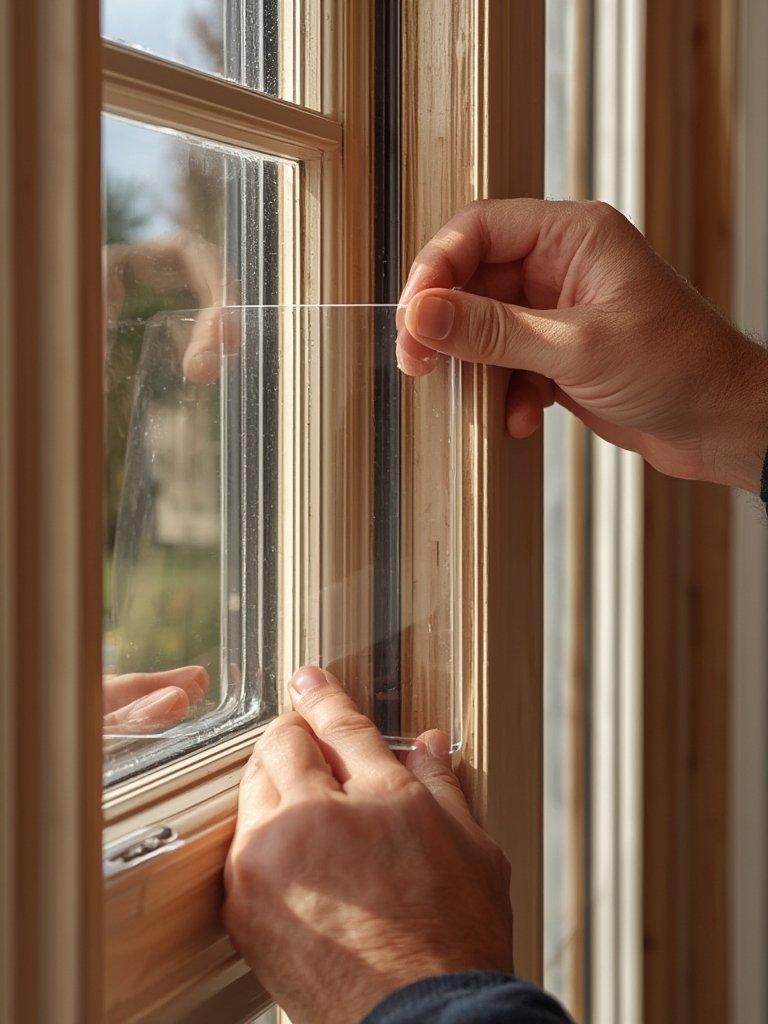
- Install the Insert Securely: Most inserts either press-fit with a compression gasket or mount with discreet screws. Take care to ensure a uniform, tight fit around all sides to prevent air leakage.
If you’re tackling a larger DIY project—say, installing new soundproofing panels or updating home improvement tools—set aside a dedicated work area for window framing and assembly. Use ergonomic support for heavy inserts.
Double-check that you can still open your windows if you rely on them for egress or summer ventilation.
Advanced Analysis & Common Pitfalls with Window Inserts
While storm window inserts are generally praised for performance, several practical issues can undermine your investment:
- Condensation: Most modern inserts perform well, but if installed poorly or without ventilation, condensation can form between insert and prime window—leading to mold or rot. Ask for ventilation weep holes during ordering or installation.
- Fit and Aesthetics: Ill-fitting inserts create air leaks and can stick out visually—especially on historic windows with nonstandard shapes. Always prioritize accurate measurement and, if possible, opt for professional-grade custom solutions.
- Limited Cooling Season Savings: Scientific data on cooling energy reductions (“summer electric bill”) is less robust than on heating savings, especially in milder climate zones. Inserts shine brightest in cold, drafty homes.
- Lifespan and Maintenance: Modern inserts are built to last, but exposure to intense sun or mechanical stress can degrade seals over time. Occasional cleaning and annual inspection of gasket seals/frames are highly recommended.
- Performance Ratings: Many brands lack easy-to-find R-value or air infiltration test results. However, credible studies report average air leakage drops of 10% and U-factor improvements of up to 61% over bare single-pane glass2. Always request data or certifications—like AERC or ENERGY STAR—from vendors for peace of mind.
| Feature | Storm Window Inserts | Full Window Replacement | Window Insulation Film |
|---|---|---|---|
| Cost (per window, installed) | $100 – $250 | $400+ | $10 – $30 |
| Energy Savings | 10–30% HVAC; 212 kWh/year | 20–50% (varies) | 5–15% |
| Installation Disruption | Minimal | Significant | Minimal |
| Lifespan | 10–20+ years | 20–30 years | 1–5 years |
| Custom Sizing for Historic Windows | Yes, with limitations | Yes, expensive | Limited (trimming required) |
| Air Sealing | High (10–19% leak reduction) | High (if installed correctly) | Moderate |
| Reversible/Removable | Often | No | Yes |
| Protection of Historic Window | Yes | No (window removed) | No effect |
Struggling to decide? Homeowners increasingly pair storm inserts with upgrades like a new insulated garage door or portable heat pump to maximize comfort and energy reductions throughout the whole house.
Final Thoughts: Are Storm Window Inserts Worth It?
If you want real-world energy savings, improved comfort, and authentic window preservation at a fraction of the price of replacement, storm window inserts are hard to beat. Modern options are attractive, durable, and suit nearly every window—even tricky shapes with the right manufacturer. Proper measurement, ventilation, and high-performance glazing are vital for best results. Integrate them with other projects—like smart blinds or insulation upgrades—for the biggest payback.
Ready for lower bills and a cozier home? Start comparing storm window inserts for your specific window size, or get in touch with a local pro for custom solutions that fit your needs.
Frequently Asked Questions About Storm Window Inserts
Do storm window inserts actually save money on energy bills?
Yes. Studies show they can reduce heating and cooling energy use by 10–30%, with ENERGY STAR low-e designs delivering savings of up to $350/year in whole-home bills. Actual savings depend on your window type, home air leakage, and climate.
Will inserts cause condensation problems?
If fitted properly with adequate ventilation (like weep holes), storm inserts rarely cause condensation. Condensation may happen in very humid homes or with poor fit—always request ventilation options and check existing window conditions before installing.
Can I install window inserts myself, or do I need a professional?
DIY installation is possible for square, accessible windows, but for best performance, custom sizing and professional installation are recommended—especially for older or historic windows with irregular frames.
How long do storm window inserts last?
Most modern units last 10–20+ years with minimal maintenance. Occasionally check and clean gaskets or seals to prevent air leaks and prolong lifespan.
Are inserts a good idea for historic or unusual window shapes?
Yes, but it’s essential to work with a manufacturer offering custom shapes, sizes, and finishes. Some limitations may apply for very intricate or heavily out-of-square frames; ask about custom glazing and fitting services.